
A Brief History Of EDM
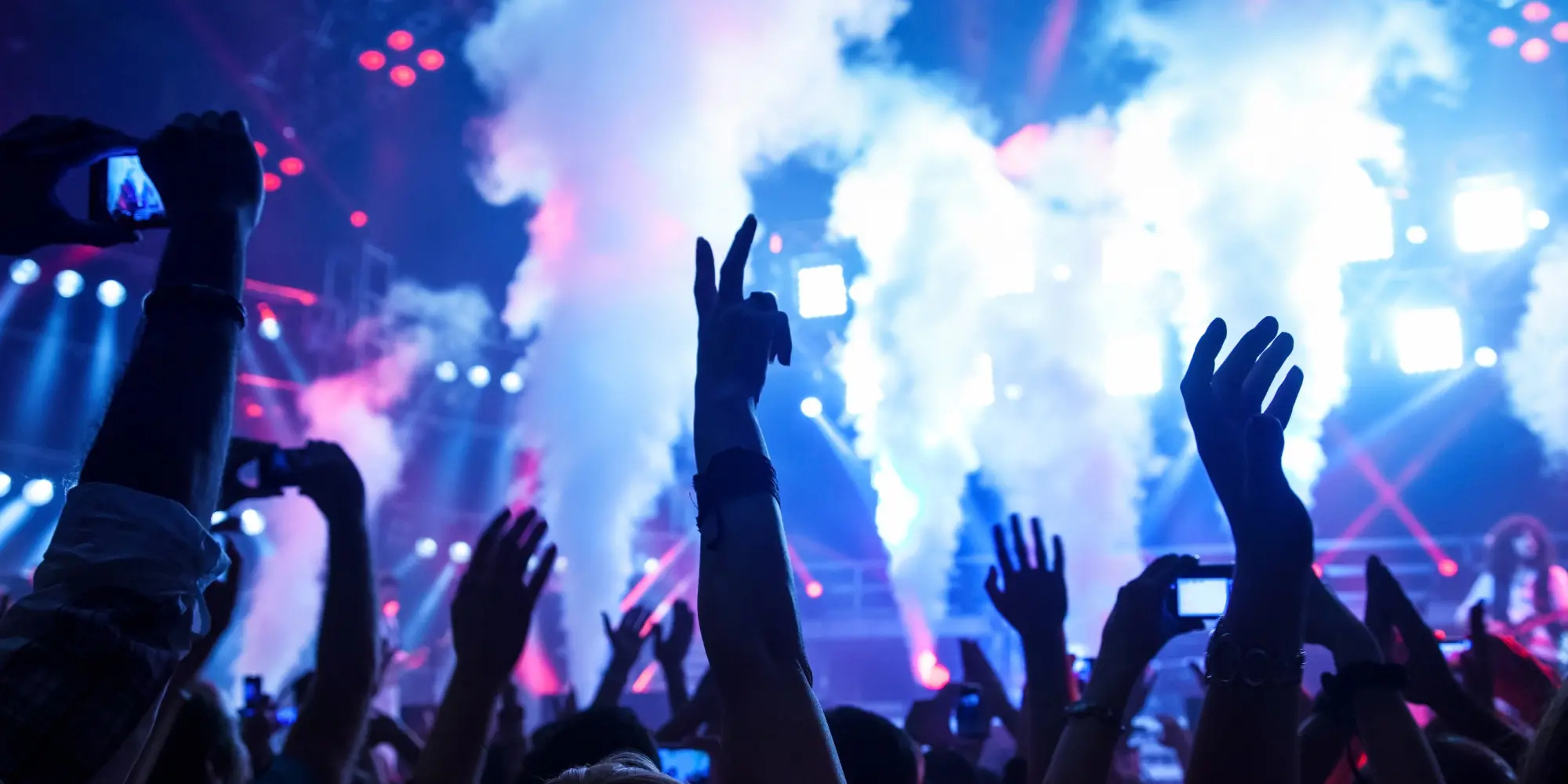
Dance Show – Courtesy of thelala.com
A Brief History of Electronic Dance Music (EDM)
Have you been witness to the increase in the electronic dance music scene? Are you wondering how and when EDM became so popular? While EDM, and its many musical genres, may seem new, it’s actually been around since the 1970s, developing over the years as a symbol of contemporary culture. For decades, the music industry has been providing energy-charged electronic music to raving crowds. But before we recognized these dance parties as “raves” as we do today, we simply called them discos.
What is Electronic Dance Music?
Electronic Dance Music is a compilation of electronic music subgenres that are intended for crowds of dancers, including disco music, synthpop, techno, house music, trance music, drum and bass, dubstep, trap, hardstyle and more. With such a wide range of sounds, it would seem impossible that all of this could, at the same time, be classified as EDM, but these subgenres have developed over the course of the last few decades, informing and transforming out of a progressive dance culture. When you hear EDM today, it’s a much different experience than what listeners of electronic dance music would have heard in the 1970s, ’80s, ’90s, or even early 2000s, and its progression as a recognizable genre can be mapped out by understanding when its subgenres were popularized as forms of dance music.
Popular EDM Genres Through the Years
1970’s Disco and Synthpop Electronic Dance Music
Disco Concert – Courtesy of bombedoutpunk.com
The beginning of EDM can from the disco genre, heavily popular in the late 1970s. Disco music aimed to move crowds of people on the dancefloor, using drum machines and electronic instruments to create synthesized rhythms. Popular disco music that helped to create the EDM scene included Donna Summer’s 1977 synthesized disco hit “I Feel Love,” which was written by Pete Bellotte and Giorgio Moroder, who would later collaborate with Daft Punk; and the 1974 hit “Rock Your Baby,” by George McCrae, which used a drum machine and Roland rhythm machine.
Songs like these incorporated elements of both disco and synthpop and paved the way for synthpop to stand on its own as a dance music subgenre.
Synthpop, Post-Disco and Electro Music of the 1980s
1970’s Synthpop – Courtesy of Kraftwerk
Synth music, or synthpop, was developed alongside house music and electro music during the “post-disco” era in the ‘’80s. Music of this era began to be known and produced in the mainstream music industry in Europe as electronic dance music became more sophisticated and robust with technological advancements. Drum machines and synthesizers were used more heavily after the disco days, but these electronic music makers were joined by innovations like MIDI, which revolutionized the way electronic instruments could communicate. Paired with the use of computers, electronic music took off as an accessible art form that could be replicated and transformed by anyone with musical experience and a computer. Music produced during this time included hits like a-ha’s “Take On Me” and the song that would come to be recognized as one of the first – if not the first – house records, “On and On,” by Jesse Saunders.
1990’s: The Beginning of Contemporary Electronic Dance Music Sounds
1990’s Rave – Courtesy of fourthreesix.com
The first sounds of electronic dance music that current EDM rave fans would recognize are those of techno music, house music, hardcore rave (hardstyle), dub, trance, and drum and bass. In the ‘90’s, electronic dance music was still breaking into the mainstream, and the inclusion of these new subgenres helped propel it into popularity, making EDM a part of the mainstream music industry like never before, especially in Europe. It was then that the rave scene began to grow into what it is today, with night clubs featuring popular and even underground EDM records. Popular songs of the day included the British group Orbital’s highly popular single Chime and their single “Halcyon On and On.”
In the U.S., we were brought “Detroit techno,” or techno that seemed to originate in Detroit in the late ‘80’s and ‘90’s. Detroit techno was pioneered by the “Belleville Three,” including Derrick May, who produced music under the names Mayday and Rhythim is Rhythim. May’s song “Strings of Life” is still widely recognized as a classic house and techno record that has defined the techno genre in the U.S.
From Popular to Mainstream: EDM in the 2000s
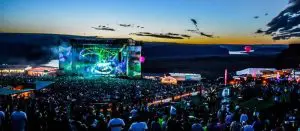
2000’s EDM – Courtesy of theodysseyonline.com
Electronic dance music, despite its slow start, eventually picked up popularity in the U.S. thanks to international DJs and music producers drawing attention to the genre as well as a techno-pop 1998 album by Madonna, Ray of Light. From there, we began to see producers like Tiësto, Daft Punk and David Guetta, who are still internationally acclaimed EDM musicians. These artists, when once developing a cult following, have made names for themselves within the mainstream music industry and still top the charts. In the early 2000s, dubstep was also introduced to the U.S. music industry through artists like Skrillex, a Grammy-winning EDM artist with sounds of dubstep, house, trap and more.
EDM is often characterized by remixes and original sound mixes, produced by world-famous DJs like The Chainsmokers, Steve Aoki, Martin Garrix and others, in addition to the ever-relevant Skrillex, David Guetta, Daft Punk and Tiësto. That said, electronic dance music and its subgenres were used by a large majority of pop and hip-hop artists, including the likes of Coldplay, Justin Bieber, Selena Gomez, Drake, Taylor Swift, Katy Perry, Alessia Cara and countless others.
Beyond the 2010s
As EDM moved into the late 2010s and beyond, the genre experienced another wave of evolution, defined by explosive experimentation, new subgenres and a generation of artists who reshaped the sound of modern dance music. Producers continued pushing boundaries, giving rise to fresh styles like future bass, hybrid trap, melodic dubstep, and future house. These subgenres helped usher in a new era of festival anthems and emotionally driven electronic music, led by artists such as Zedd, Illenium, Fisher, Excision, Subtronics, John Summit and Disco Lines. Their distinct approaches broadened the definition of what EDM could sound like, proving the genre was far from settling into a single mold.
At the same time, EDM’s influence stretched well beyond the dancefloor. Its production techniques, sound design and high-energy arrangements began weaving into mainstream pop, reinventing what music could be. This crossover is especially clear in the rise of hyperpop that features futuristic production choices. Artists like Charli XCX, PinkPantheress and many more have embraced these electronic elements, creating a new brand of pop that blurs the lines between melodic experimentation and high-energy hooks. Today, EDM continues expanding in every direction, from underground club scenes to global festivals and viral online hits. The genre remains a driving force in shaping the sound of contemporary music.
Check out some of the most popular 2025 EDM songs to check out the latest EDM in the industry.
Ready to Shape the Sound of What Comes Next?
EDM has always moved with technology, from drum machines and synthesizers to MIDI, digital production tools, remixes, festival anthems and genre-blending tracks that shape modern pop. For future music producers, that history is more than a timeline. It is a reminder that new sounds often come from experimenting with tools, influences and creative instincts.
At The L.A. Film School, students can explore music composition, digital music production, mixing, copyright, publishing, and the creative process behind today’s music industry.
Learn more about the on-campus Music Production degree or the online Music Production degree. You can also Request Info or Apply Now when you’re ready to take the next step.
FAQs: Brief History of EDM
What Is EDM?
EDM stands for electronic dance music. It is a broad category of electronic music made for dance-focused settings, including clubs, festivals and live DJ performances. EDM includes many subgenres, such as disco, synthpop, techno, house, trance, drum and bass, dubstep, trap and hardstyle.
When Did EDM Start?
EDM’s roots can be traced back to the 1970s, especially through disco and synth-driven dance music. Over time, electronic instruments, drum machines, computers and production software helped the genre evolve into the wide range of electronic dance styles heard today.
How Did Disco Influence EDM?
Disco helped establish the dancefloor energy that would later become central to EDM. Songs built around steady rhythms, drum machines and synthesized sounds helped create a foundation for electronic music that was designed to move crowds.
Why Were Synthesizers and MIDI Important to EDM?
Synthesizers, drum machines and MIDI changed how producers created and controlled electronic sound. MIDI made it possible for electronic instruments and computers to communicate, giving producers more flexibility to build layered tracks, experiment with rhythm and shape new textures.
What EDM Genres Became Popular in the 1990s?
The 1990s helped bring recognizable EDM sounds into wider club and rave culture. Techno, house, trance, hardstyle, dub, drum and bass and other electronic styles became important parts of the growing dance music scene.
How Did EDM Become More Mainstream in the 2000s?
EDM gained more mainstream attention in the 2000s as international DJs and producers reached larger audiences. Artists such as Daft Punk, David Guetta, Tiësto, Skrillex, The Chainsmokers, Steve Aoki and Martin Garrix helped bring electronic dance music into pop culture, festivals and radio-friendly formats.
