
How to Use Video Chat
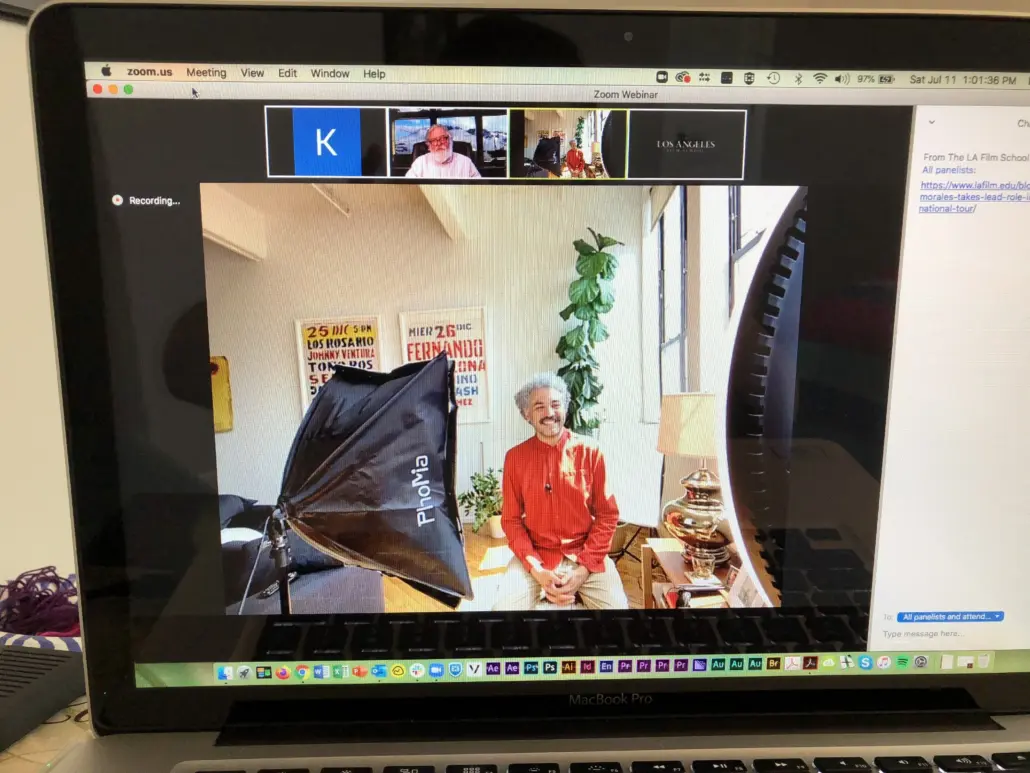
To use video chat effectively, set up a dedicated workspace, use proper front lighting, position your camera at eye level, and take notes on a separate device.
Lights, Camera, ZOOM! Get the Most Out of Video Chat.
The future is here. We may not have robot maids or flying cars but we do have video and FaceTime calls as a way to connect personally and professionally. From class projects to industry insider events, we’re spending more time connecting virtually than ever before. Yet despite these new but strange circumstances we’re still expected to put our best foot—or in this case, face—forward. Follow these simple video conference tips to make a lasting impression on your next audition tape, job interview or class project.
Create a Dedicated Work Space
Like a lot of you out there, we have been Living La Vida laptop since March 2020. Get comfortable but not too comfortable. Create a workspace that requires you to sit at attention. Sitting upright will keep you attentive and help you engage more with the call. That means avoid sitting on a couch or in bed. Create a dedicated workspace for video calls that way whenever you sit down to work you’re in the right mindset. If you don’t want your living space in the background, Zoom offers a library of virtual backgrounds for you to choose from.
Set Up Proper Lighting
We know it’s filming 101 but it bears repeating, If you’re going to be on camera you need to have good lighting on your face. Unfortunately, a laptop camera and a single overhead light just won’t cut it. Obviously natural light is king. If you have a window that gets good sun exposure, park yourself in front of it and shine on. If you don’t have a good source of natural light a ring light works great as well. But the same effect can be achieved with a simple desk lamp. Place it behind and out of sight of the camera so it throws light directly onto the subject (you). And for extra lighting magic, use a sheet of white paper to reflect the light by placing it on your workspace directly under your chin. Et voila.
Know Your Camera Angle
You may not be a Hollywood starlet from the Golden Age but it is good to know your angles. Give the subject (you) some breathing room. Elevate the camera so people aren’t looking directly up your nose. Also, add distance between you and the camera. We suggest framing yourself from your shoulders up. This can be done by simply using a stack of textbooks or canned goods to elevate the camera. Pro Tip: Do your personal grooming after you set up the lights and camera, that way you know exactly what you look like on video chat before you go live.
Take Notes
Don’t miss something important, take notes on a device separate from what you’re using for the video call. That way if you need to change screens you won’t fumble while in the middle of a meeting or interview. And if a video call is extra important record it. If you’re not the meeting host, you can download a video recording app on your smartphone.
Helpful articles on how to use Zoom and other video conferencing apps:
How to set up your virtual background on Zoom
How to minimize background noise on Zoom
How to transform your at-home workspace with The Home Edit
6 Popular Vide Conferencing Apps Compared
Look Like a Pro On Camera and Behind It
Good lighting, a flattering angle, a clean frame: the same fundamentals that make a video interview land are the ones working filmmakers use every day. Whether you’re acing an audition tape, a job interview, or a class project, knowing how to present yourself on camera is a genuinely useful skill, and it’s just the beginning of what you can learn about visual storytelling.
At The L.A. Film School, our programs help you master the craft behind the camera and build the professional edge to succeed in the industry, whichever creative path you choose.
Request Info to explore our programs, or Apply Now and start turning your creative skills into a career.
FAQs: How to Use Video Chat
1. How can I use video chat more effectively?
The essentials come down to four things: set up a dedicated workspace, use proper front lighting, position your camera at eye level, and take notes on a separate device. Together, these small adjustments help you look polished and stay engaged, whether you’re on an audition tape, a job interview, or a class project.
2. Why does a dedicated workspace matter for video calls?
Where you sit shapes how you show up. A dedicated workspace that has you sitting upright keeps you attentive and helps you engage more with the call, so it’s best to avoid taking calls from a couch or bed. It also helps to make sure your space is quiet and that ambient noise is kept to a minimum if possible, so you come through clearly and without distractions. Having a consistent spot also puts you in the right mindset every time you sit down to work. If you’d rather not show your living space, Zoom offers a library of virtual backgrounds.
3. What’s the best lighting setup for looking good on camera?
Good front lighting on your face is key, and a laptop camera with a single overhead light usually isn’t enough. Natural light is ideal, so position yourself in front of a sunny window if you can. If natural light isn’t an option, a ring light works well, and even a simple desk lamp placed behind and out of frame can throw light directly onto you. For a little extra polish, place a sheet of white paper on your desk under your chin to reflect light upward.
4. How should I position my camera and frame myself?
Know your angles. Elevate the camera so people aren’t looking up your nose, and add a little distance between you and the lens, framing yourself from the shoulders up. A simple stack of textbooks or canned goods can raise a laptop to the right height. One pro tip: do any personal grooming after you set up your lights and camera, so you know exactly how you’ll look on screen before going live.
5. Should I take notes during a video call?
Yes, but do it on a device separate from the one you’re using for the call. That way, if you need to switch screens or reference something, you won’t fumble in the middle of a meeting or interview. Keeping your notes separate helps you stay present and avoid distracting technical hiccups.
6. Can I record an important video call?
You can, and it’s worth doing for especially important calls so you don’t miss key details. If you’re hosting, most platforms let you record directly. If you’re not the meeting host, you can use a screen or video recording app, including options on your smartphone, to capture the conversation for later review.
7. Why are these video chat skills useful for creative students?
Because so much professional connection now happens virtually, from audition tapes and remote interviews to industry insider events and class projects. Presenting yourself well on camera makes a lasting impression, and the underlying skills, lighting, framing, and composition, are the same visual storytelling fundamentals that matter throughout a creative career.
