
Practical Effects vs. CGI
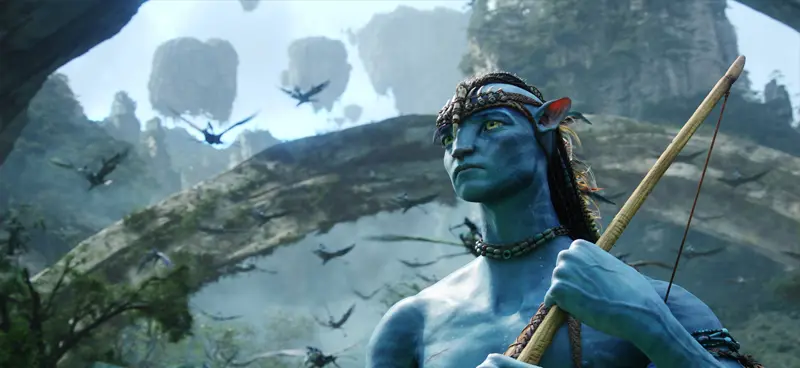
Here are a few things to keep in mind as a VFX artist
While practical effects and CGI both have clear benefits and shortcomings, the technique you choose for your artistic expression will likely vary from project to project based on factors we discuss below.
The production of Jurassic Park in 1993 was a watershed moment for computer-generated imagery (CGI). While making the movie, director Steven Spielberg pitted a CGI team against a practical effects team to create a T-Rex for the screen. Upon seeing the flawless design of the CGI team, the head of the practical effects team reportedly said, “I think I’m extinct.”
Since then, CGI has enjoyed ever-increasing popularity and usage across every type of media.
The Case for CGI
Thanks to advancements in 3D modeling, high-quality and low-cost digital rendering, and the ability to create and digitize almost anything the mind can imagine, the results that can be achieved by CGI have expanded astronomically. The CGI dinosaurs of Jurassic Park were an early example of how far the field has come.
Beyond cost and time factors, CGI also comes in handy for specific types of shots, such as long, aerial, and pan shots. Viewers may not necessarily be able to see or discern fine scene details in these shots, so CGI can be used to quickly create visibly accurate scenes at a lower cost compared to creating an actual, physical scene from scratch. Shorter turnaround times and the ability to create inexpensive mockups before the final design is decided are also good reasons to choose CGI over practical effects.
Finally, the ability to work with remote teams and auxiliary advancements in post-production editing (such as the ability to digitally remove ropes and safety equipment from shots) all make a strong case for CGI.
The Case for Practical Effects
On the flip side of the argument, many industry watchers have voiced complaints about the overuse of CGI and how it can detract from the authenticity of a scene. To put it simply, audiences know when they see special effects.
Using practical effects instead of CGI makes it easier for actors to interact with their surroundings, allowing for the creation of scenes and sequences that are more realistic. Having a physical structure or setting also helps with continuity. What happens on screen is what truly happens on screen, thus reducing the need for editing for technical accuracy.
Practical effects are especially good for close-ups as well. CGI cannot compete with high-quality makeup or prosthetics work; therefore, audiences know when they are seeing something real versus a digital recreation of someone else’s imagination. Just think of how any of the real characters in the Marvel or DC Comics movie franchises compare to digitally rendered characters; even to the untrained eye, the differences are stark (no pun intended).
Here’s another example: Consider a CGI team trying to recreate (and the use of the word recreate should be noted here) a scene with two actors chatting around a campfire, complete with smoke getting into their eyes, the moving glow of the fire, and its resultant shadows on the faces of the cast. By using practical effects with the actors actually sitting and chatting around an actual campfire, you as the viewer will likely believe they are really there, too.
So, Which Should You Choose?
Beyond (or in addition to) the obvious strengths and weaknesses of practical effects and CGI outlined above, as an artist and a creator, there are a few practical things you should keep in mind:
1. Art in the real world is different from art in school. In the real world, you will likely be faced with difficult choices. You may have a great CGI team on hand for one project, and a great practical effects team for another. Choose accordingly.
2. There is no real reason to stick to one or the other if you are faced with extenuating circumstances, such as requirements, budgets, deadlines, the availability of staff and crew, or other restrictions and/or limitations that you cannot work around. Be flexible and give a little to get a little.
3. Remember that CGI and practical effects are both tools, and they are only as good as the professionals crafting with them. Effects, whether CGI or practical, should never be used to cover what is otherwise a bad plot, unprofessional production or editing, or any other weaknesses demonstrated by your project.
You may be the auteur of your project; however, what you create, how it is perceived by and resonates with audiences, and how accurately it conveys your message is a team effort. Learn from other artists. Be open to discussing things with established pros and seasoned veterans, experiment with different formats in different settings, and build on constructive criticism. In the end, you’ll know whether CGI, practical effects or a combination of the two will work best for your project, whether it’s in or outside of school.
Master the Tools of Modern VFX
The best visual effects artists don’t pick a side in the practical-versus-CGI debate. They understand both, and they know that each is only as good as the professional crafting with it. Whether a scene calls for a digital creation, a physical build, or a blend of the two, that judgment is a skill you develop through hands-on practice and learning from seasoned pros.
That’s what our Animation & VFX programs are built to give you. Explore our on-campus and online programs and start building the technical range and creative instinct to bring any vision to the screen.
Request Info to explore our programs, or Apply Now and start crafting effects that audiences believe.
FAQs: Practical Effects vs. CGI
1. What’s the difference between practical effects and CGI?
Practical effects are physical, created in the real world on set, think makeup, prosthetics, physical structures, and real environments. CGI (computer-generated imagery) is created digitally, using 3D modeling and rendering to build almost anything imaginable. Both are legitimate tools for visual storytelling, and the right choice tends to shift from project to project depending on the needs of each scene.
2. Why was Jurassic Park such a turning point for CGI?
The 1993 production was a watershed moment for computer-generated imagery. During development, Steven Spielberg pitted a CGI team against a practical effects team to create the film’s T-Rex. The CGI result was so convincing that the head of the practical effects team reportedly said, “I think I’m extinct.” Those dinosaurs became an early demonstration of how far digital effects could go, and CGI has grown in popularity and capability ever since.
3. What are the main advantages of CGI?
CGI offers enormous creative and practical flexibility. Advancements in 3D modeling and low-cost digital rendering make it possible to create and digitize nearly anything. It’s especially useful for long, aerial, and pan shots where viewers can’t discern fine detail, and it allows for shorter turnaround times, inexpensive mockups before a final design is locked, collaboration with remote teams, and post-production fixes like digitally removing ropes and safety equipment from shots.
4. When are practical effects the better choice?
Practical effects shine when authenticity matters. They make it easier for actors to interact with real surroundings, producing more believable scenes, and a physical setting helps with continuity since what happens on screen is what actually happened. They’re particularly strong for close-ups, where high-quality makeup and prosthetics outperform digital recreations. A classic example is two actors around a real campfire, with genuine smoke, glow, and shifting shadows the audience instinctively believes.
5. Can overusing CGI hurt a film?
It can. Many in the industry have criticized the overuse of CGI for detracting from a scene’s authenticity, because audiences can often tell when they’re looking at digital effects. When digital characters or environments replace something that could feel tangibly real, even an untrained eye tends to notice the difference, which can pull viewers out of the moment.
6. Should filmmakers choose practical effects or CGI?
There’s no need to commit to just one. In the real world, the decision depends on factors like project requirements, budgets, deadlines, and the availability of a strong CGI or practical effects team. Flexibility is key, giving a little to get a little. Many productions get the best results by combining both approaches, using each where it’s strongest.
7. What’s the most important thing to remember about visual effects?
That effects are tools, and they’re only as good as the professionals wielding them. Neither CGI nor practical effects can rescue a weak plot, unprofessional production, or poor editing. Great results also come from collaboration: learning from other artists, welcoming feedback from established pros, experimenting across formats, and building on constructive criticism. The finished work is ultimately a team effort, no matter how singular the creative vision behind it.
