
The Importance of Sound
Is sound really just as important as video quality when producing films and games?
Poor sound can ruin an otherwise spectacular production. Understanding the importance of quality sounds in movies, games and songs is a crucial part of understanding what it means to be a successful – and memorable – filmmaker, music producer and game designer. Take a look at how audio – or the lack thereof – can positively and negatively affect the visceral reactions and the contextual information an audience is able to understand about a game, song, or film’s subject matter. How important is sound in films, music production, and gaming? Let’s find out!
The Importance of Sound in Film
Films are produced using three types of sounds: human voices, music and sound effects. These three types of sounds are crucial for a film to feel realistic for the audience. Sounds and dialogue must perfectly sync with the actions in a film without delay and must sound the way they look. If a sound doesn’t quite match the action on screen, the action itself isn’t nearly as believable. One way to achieve believable, high-quality sounds is to use original sound clips rather than relying solely on sound libraries for sound effects.
Another way to make a film more believable using sound is it incorporate what are known as asynchronous sound effects – often in the form of background sounds. These sounds do not directly correlate to the action occurring in a scene, but they can bring a film to life. Including sounds typical of a city or rural area can help to make the film’s setting more realistic.
If you’re wondering just how important music can be in making a film successful, just look at some of the iconic film scores that have come to be part of what makes their films famous today. Films that were made more successful because of their musical scores include:

Jaws – Universal Pictures
Jaws
Relied on only two notes to create the audio motif that viewers came to fear as the next shark attack loomed.

Star Wars – Lucasfilm
Star Wars
Years after the original trilogy was released, the series has continued, and the music score has as well. A Star Wars film simply wouldn’t be what it is without its memorable score – and so it continues to fuel the action in the films.
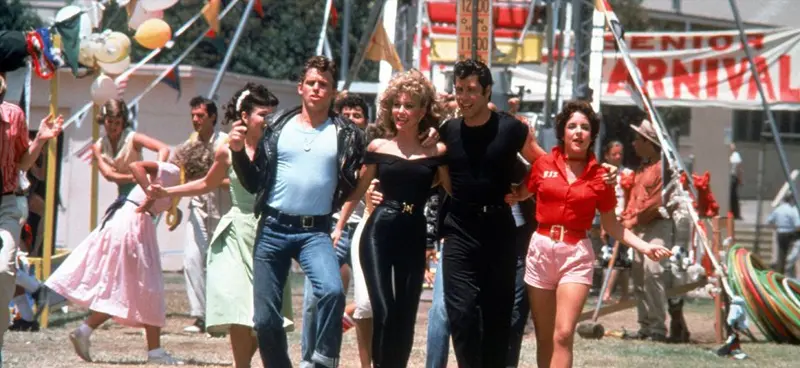
Grease – Paramount Pictures
Grease
Though a musical and therefore necessarily reliant on music, Grease is a film with music that’s instantly recognized as part of the film’s soundtrack and has even gained popularity on the radio, ensuring the film’s permanent place in American culture.
Ensuring High-Quality Sound in Song Production
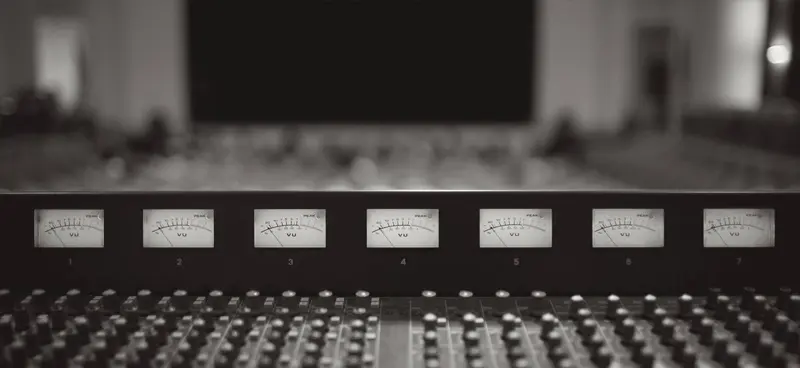
It might seem obvious that the sound quality of songs should be the highest possible – after all, what else is there to a song than the music and lyrics? However, achieving a high-quality sound must be purposefully done using the right technology, the right type of studio and the right methodology. Without taking the necessary steps to ensure you have a high quality sound every time you record audio, your studio will not only lessen the quality of your work, it will sound much less professional. Here are some things you’ll learn to avoid if you want to produce professional-quality sounds in your audio productions:
• External noise from the outside, neighbors or neighboring rooms in your building
• Computer noises that could affect the quality of your audio, including computer fans, acoustical interference between microphones and computers
• A/C noise – because sometimes working in a hot studio simply isn’t an option
Imagine having any of these unwanted sounds in the background – or even at the foreground – of your audio recordings, and you’ll understand just how important controlling the quality of sound in music and audio recordings really is.
The Importance of Sounds in Games
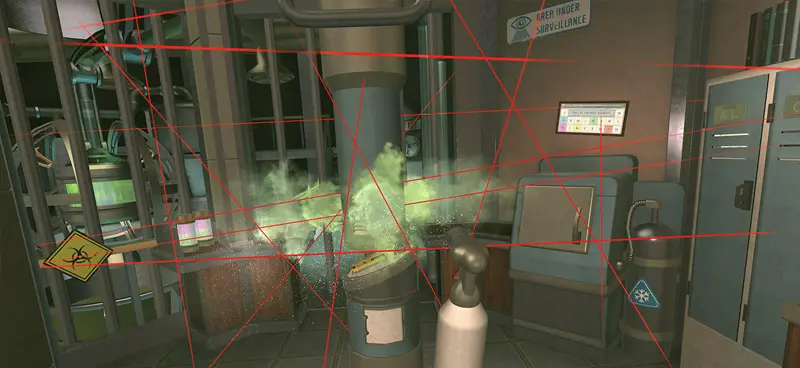
I Expect You To Die – Schell Games
Jesse Schell, a video game designer and CEO of Schell Games, has said that “sound is what truly convinces the mind is in a place; in other words, ‘hearing is believing.’” This quote perfectly demonstrates the importance of sounds in video games. Without the sounds in a video game – the dialogue, synchronous sound effects, and asynchronous sound effects – the game would be much less convincing.
Imagine playing a game where characters merely move across the screen at your command, but there’s no sound to indicate what they’re doing. What if there were no sound effects during action sequences to demonstrate that a character is fighting as intensely as you are? How would you identify with and commit yourself to a character, setting, and story line if it did not feel realistic – with all of the sound effects that make them appear and feel real? Simply stated, you wouldn’t. Just as films cannot be realistic without realistic sounds and dialogue, high-quality sounds ensure that gamers remain attached to and believe in the narrative of a game.
As for music in games, much like in films, the music can make a game more memorable and can actually become the “anthem” for a game – recognized by game enthusiasts and passing players alike. Take the theme music for Nintendo’s Super Smash Bros. or Super Mario Bros. – these two themes are instantly recognizable by avid gamers and those who have simply played the games once or twice.
A video game’s music can also set the mood of a particular chapter, level, action sequence, or otherwise. When a character is in trouble, you not only see it, you hear it – and therefore feel it. The music can add to your suspense, your intensity, and your emotional responses just as much as – if not more than – the visual action itself when you’re invested in a game.
Check out these resources for more information on why high-quality sound is so important in creating films, music and games!
- The Psychology of Sound in Gaming
- Tips for Soundproofing Your Home Studio
- Why Audio is More Powerful than Video
Make Sound Your Superpower
From the two notes that signal a shark in Jaws to the theme that makes a game level feel alive, sound is what convinces an audience that what they’re watching, hearing, or playing is real. As Jesse Schell put it, “hearing is believing.” The filmmakers, producers, and game designers who understand that are the ones who create work people remember.
At The L.A. Film School, our Audio Production program is built with filmmakers, record producers, and game designers in mind. You’ll learn to capture and shape professional-quality sound using the best technology in purpose-built spaces, so you’re ready to create the audio experiences that bring stories to life. Explore the Associate of Science in Audio Production or the Bachelor of Science in Audio Production to find the path that fits your goals.
Request Info to explore our programs, or Apply Now and start turning sound into your superpower.
FAQs: The Importance of Sound
1. Is sound really as important as video quality in a production?
Yes. Poor sound can undermine an otherwise spectacular film, song, or game. Audio shapes both the emotional, visceral reaction an audience feels and the contextual information they absorb about a scene. Understanding the role of quality sound is a core part of becoming a successful and memorable filmmaker, music producer, or game designer.
2. What are the main types of sound used in film?
Films rely on three core types of sound: human voices, music, and sound effects. Together, these make a film feel realistic. Crucially, sound and dialogue must sync precisely with the on-screen action and “sound the way they look,” because when audio doesn’t match the action, the moment becomes far less believable.
3. What are asynchronous sound effects, and why do they matter?
Asynchronous sound effects are background sounds that don’t directly correspond to a specific on-screen action, often the ambient noise of a city or rural setting. While they aren’t tied to what a character is doing, they bring a scene to life and make the film’s world feel more real and immersive.
4. How much difference can a music score really make to a film?
A great score can become inseparable from the film itself. Jaws built dread from just two notes that audiences learned to fear. The Star Wars score is so iconic the films wouldn’t be the same without it. And Grease produced music that became part of American culture and found a life of its own on the radio.
5. What does it take to capture professional-quality sound in a studio?
High-quality sound has to be achieved deliberately, with the right technology, the right studio, and the right methodology. A big part of the craft is learning to eliminate unwanted noise, including external sound from neighbors or adjacent rooms, computer noise like fans and acoustical interference, and even A/C hum. Controlling these factors is what separates amateur recordings from professional ones.
6. Why is sound so important in video games specifically?
Game designer Jesse Schell summed it up: “sound is what truly convinces the mind it is in a place.” Dialogue and synchronous and asynchronous sound effects make a game world believable, helping players stay attached to the character and story. Without sound cues during action, players lose the sense of realism that keeps them invested.
7. Can game music become as memorable as a film score?
Absolutely. Just as in film, a game’s music can become its “anthem.” Themes like those from Super Smash Bros. and Super Mario Bros. are instantly recognizable even to casual players. Game music also sets the mood of a level or sequence, heightening suspense and emotional response, sometimes even more than the visuals alone.
