
The Uncanny Valley
Understanding The Uncanny Valley
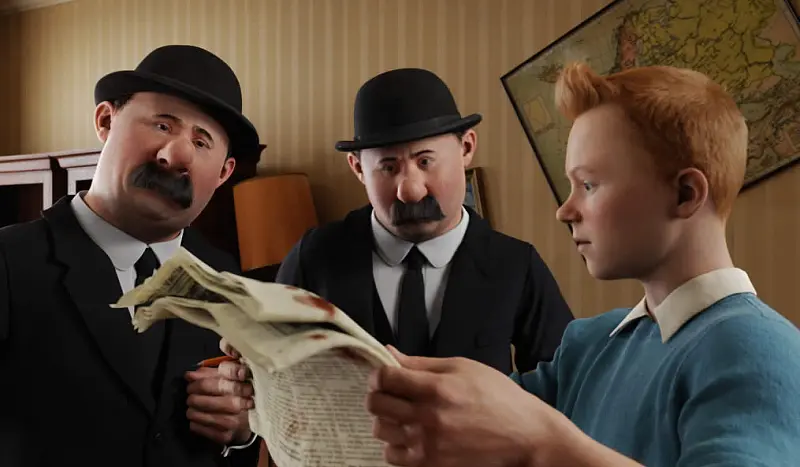
TinTin – Paramount Pictures
A concept many filmmakers and game-makers alike must deal with when creating animated portrayals of humans is something called the “uncanny valley.” In fact, for many animators, being successful in the animation industry means having a thorough understanding of what the uncanny valley is, how to avoid its effects, and even how to use the effects of the uncanny valley to your advantage under the right circumstances.
Understanding the ‘Uncanny Valley.’
If you’re unfamiliar with the phrase “uncanny valley,” you still might be familiar with the concept. Have you ever noticed a “human” in a movie or video game that doesn’t look quite right? Have you wondered, “what is wrong with that face?” or thought “this person looks so creepy?” These reactions could be caused by the uncanny valley, which is essentially our mind’s way of telling us that a portrayal of a human looks almost realistic – but not quite. When there’s something “just off” about the look of a human on the screen, the uncanny valley is the hypothesis that says humans will experience negative reactions when faced with anything that looks “wrong” compared to their typical image of humankind. These negative feelings are typically an uneasiness or revulsion toward the inhuman humanoid you’re seeing.
What is the ‘Uncanny Valley?’
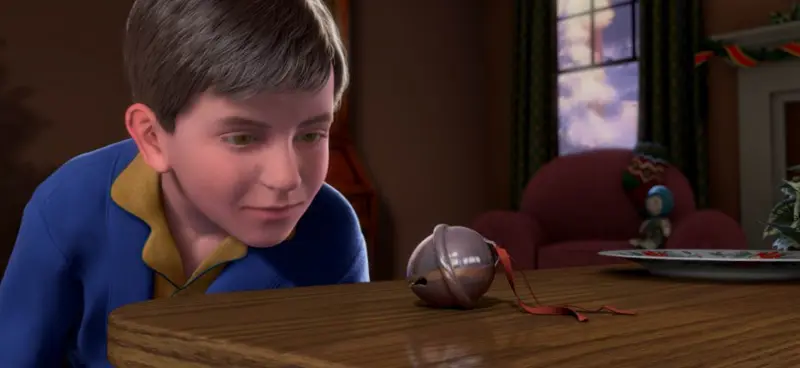
The Polar Express – Castle Rock Entertainment
The uncanny valley is a principle that’s been studied fairly extensively, especially in light of more recent breakthroughs in animation, and researchers and psychologists have begun to understand just what it is about inhuman humans that gives us all the creeps. First developed in 1970 by Dr. Masahiro Mori, a Professor of Engineering at Tokyo Institute of Technology, the uncanny valley hypothesis depends on the understanding that as a robot (or animated human) becomes more and more similar in likeness to a human, the more affinity we feel toward that robot. However, at a certain point – before a robot can be perfected to look exactly human – we stop responding positively to the similarities we see between ourselves and these robot likenesses because we also see dissimilar features that look like mistakes and imperfections.
To hear the “uncanny valley” explained in terms of CGI, check out the video below:
How to Avoid the Uncanny Valley?
For many animators, avoiding the uncanny valley is best, as in many instances, it’s advisable to not repulse your audience. (Wouldn’t you agree?) But how exactly do you avoid the uncanny valley? It’s a thin line to tread, especially for new animators trying their hand at creating human likenesses, but the best way to avoid this valley is to not try to create something that’s “as human as possible” – often times, it won’t be quite human enough. If you’re looking to avoid the effects of the uncanny valley when creating animated characters, think of them more as a likeness of humanity than a replica, and you’ll likely be able to create an animation that’s close enough for your audience to identify with and understand as human but far enough away to avoid those negative reactions you’re looking to prevent.
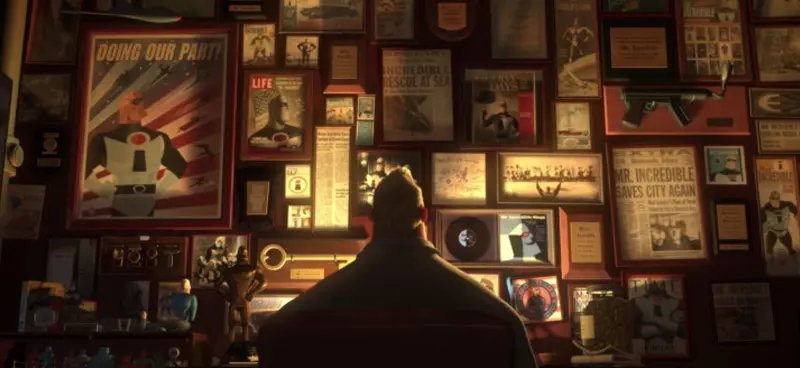
The Incredibles – Disney Pixar
Using the Uncanny Valley to Your Advantage
One of the benefits of the uncanny valley is that if you can create a near-perfect human-like animation, you have an almost sure-fire way of creating a feeling of unease in your audience. If you’re looking to evoke those negative feelings that the uncanny valley is so adept at creating – and particularly if you want a specific animated character to create those feelings – then you can use the principle of the uncanny valley to your advantage. Simply using what you know about how humans respond to near-perfect humans will help you to exploit those responses to suit any creepy visions you may have for your animations.
Want some examples of the “uncanny valley?” Check out these articles and videos below:
• The Uncanny Valley: The Original Essay by Masahiro Mori
• 10 Creepy Examples of the Uncanny Valley
• Avoiding the Uncanny Valley
Ready to Create Characters Audiences Believe In?
The uncanny valley is a reminder that character design is not just about making something look real. It is about making every expression, movement, texture, and detail feel intentional enough for an audience to connect with it.
For animators, visual effects artists, and game artists, that can mean knowing when to push realism, when to stylize, and when to use discomfort on purpose. A character that feels “almost human” can pull viewers out of a story, but the right creative choices can turn that same unease into a powerful tool.
At The L.A. Film School, students can explore the creative and technical skills behind digital characters, visual effects, animation, and interactive worlds. Learn more about the on-campus Visual Effects degree, the on-campus Game Art degree, or the online Character Animation degree.
You can also Request Info or Apply Now when you’re ready to take the next step.
FAQs: The Uncanny Valley
What Is the Uncanny Valley?
The uncanny valley is the uneasy feeling people may experience when a digital character, robot, or animated human looks almost real, but not quite. Small differences in facial features, movement, skin texture, or expression can make a character feel strange instead of believable.
Why Does the Uncanny Valley Happen?
The uncanny valley happens when something looks close enough to human that viewers expect it to behave like a real person. When the face, eyes, motion, or expression does not match that expectation, the result can feel unsettling.
Why Is the Uncanny Valley Important in Animation?
Animators often need to decide how realistic or stylized a character should be. Understanding the uncanny valley can help them avoid designs that distract audiences, break immersion, or make characters feel unintentionally creepy.
How Can Artists Avoid the Uncanny Valley?
Artists can avoid the uncanny valley by focusing on believable movement, consistent facial expressions, clear stylization, and character design that does not try to look completely human unless the details can support that level of realism.
Can the Uncanny Valley Be Used on Purpose?
Yes. The uncanny valley can be useful when a creator wants a character to feel eerie, unnatural, or disturbing. Horror, science fiction, games, and visual effects projects can use almost-human designs to create tension or discomfort.
How Does the Uncanny Valley Affect Video Games?
Video games can be especially sensitive to the uncanny valley because players spend extended time looking at, controlling, and interacting with characters. If facial animation, body movement, or character design feels slightly off, the player may notice it quickly.
What Can VFX and Game Art Students Learn From the Uncanny Valley?
VFX and game art students can learn how realism, stylization, lighting, motion, texture, and facial expression all affect audience response. Studying the uncanny valley helps creators make stronger decisions about how characters should look, move, and feel on screen.
