
5 Films Shot on Smartphones
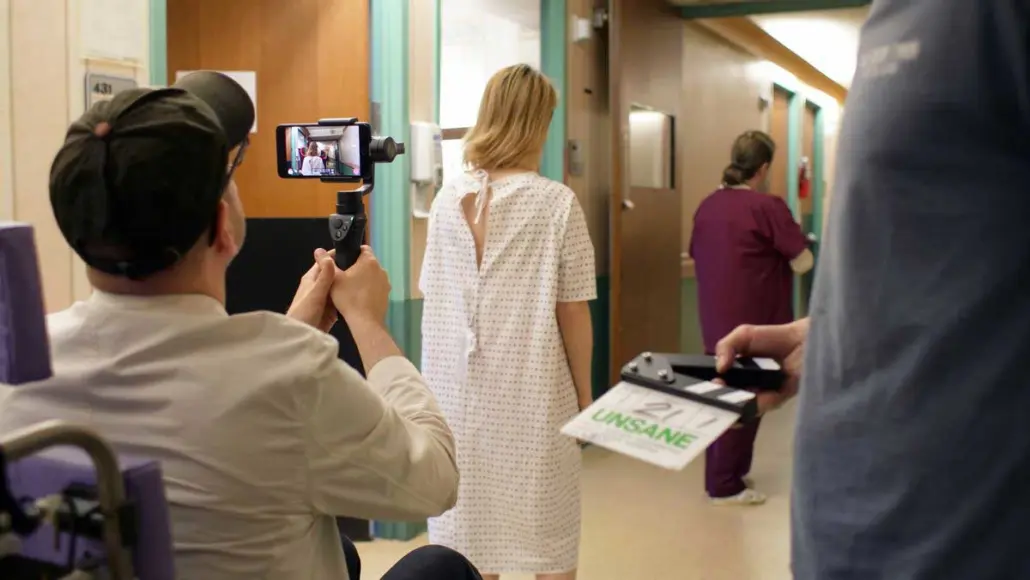
Filmmakers Who Opted to use a Smartphone to Shoot Their Films
Updated October 30th, 2026.
While it’s nice to have access to state-of-the-art equipment and specialty lenses, some filmmakers are choosing to take their skills and apply them to the camera in their pocket. That’s right. We’re talking about shooting movies on a smartphone.
Nearly 81% of Americans carry a smartphone in their pockets. Just nine years ago, that number was only 35%. Smartphones are cheaper and easier to buy than ever, becoming a must-have item in the 21st century.
For filmmakers, it also means having an advanced camera in their pocket. While most are still opting for a traditional lens and camera kit, there are a few filmmakers who have taken the camera in their hand and turned it toward the silver screen.
Right now, as filmmakers, you might be struggling to get access to film equipment. If you’re taking classes from home, your smartphone might be the only option you have for creating content. Luckily, smartphone filmmaking can be just as engaging as shooting with the best equipment.
What Movies Were Shot on a Smartphone?
We picked five films shot on a smartphone that we think are worth seeing—especially if you’re going to try your hand at mobile filmmaking yourself.
Unsane: Shot by Steven Soderbergh on an iPhone 7 Plus
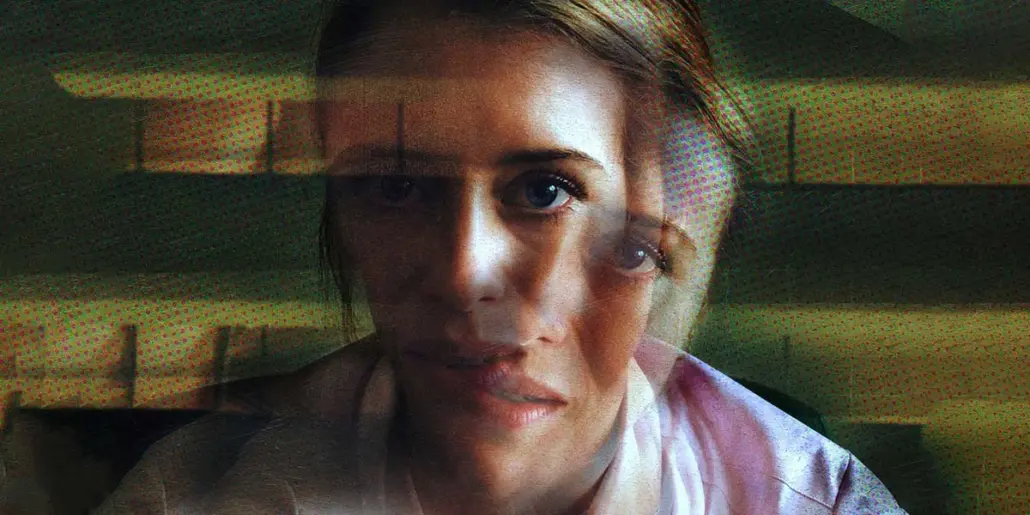
Directed by Steven Soderbergh
As you might predict from the name, Unsane is a psychological horror film about a woman confined to a mental health hospital after she was pursued by a stalker. It was released in February 2018 in Berlin and went on to earn $14.3 million at the box office. Unsane was shot on an iPhone 7 Plus, using the app FiLMiC Pro—entirely in secret by director Steven Soderbergh.
28 Years Later: Danny Boyle’s iPhone 15 Pro Max Blockbuster
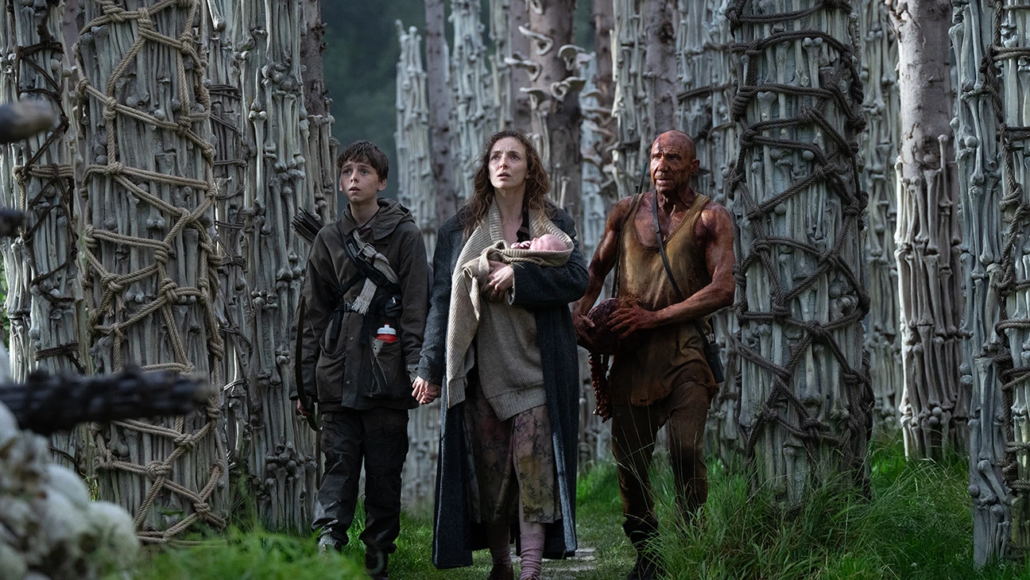
Directed by Danny Boyle
The filmmakers behind 28 Years Later adopted a bold mix of cutting‑edge and unconventional tools: the primary camera used was the iPhone 15 Pro Max, supplemented by action cameras, drones, and custom rigs (including setups using as many as 20 iPhones). At the box office, the film grossed approximately $70,446,897 domestically and $151,250,850 worldwide.
Tangerine: Sean Baker’s Breakout, Filmed on iPhone 5s
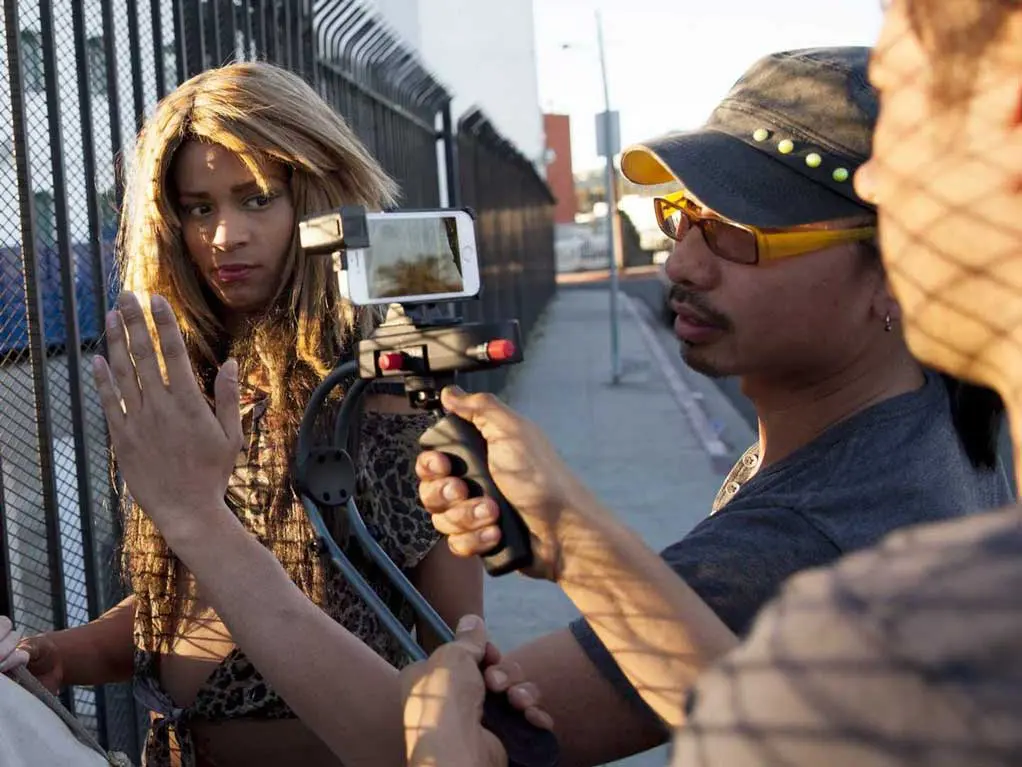
Directed by Sean Baker
Shot on three iPhone 5s models, Tangerine was one of the first films shot on smartphones in 2015. The story of a transgender sex worker trying to find the pimp who broke her heart, Tangerine won two Gotham Awards and an Indie Spirit Award. Both a comedy and a drama, the 88 minutes of iPhone footage earned over $940,000 at the box office.
Searching for Sugar Man: The Oscar Winner Finished on an iPhone
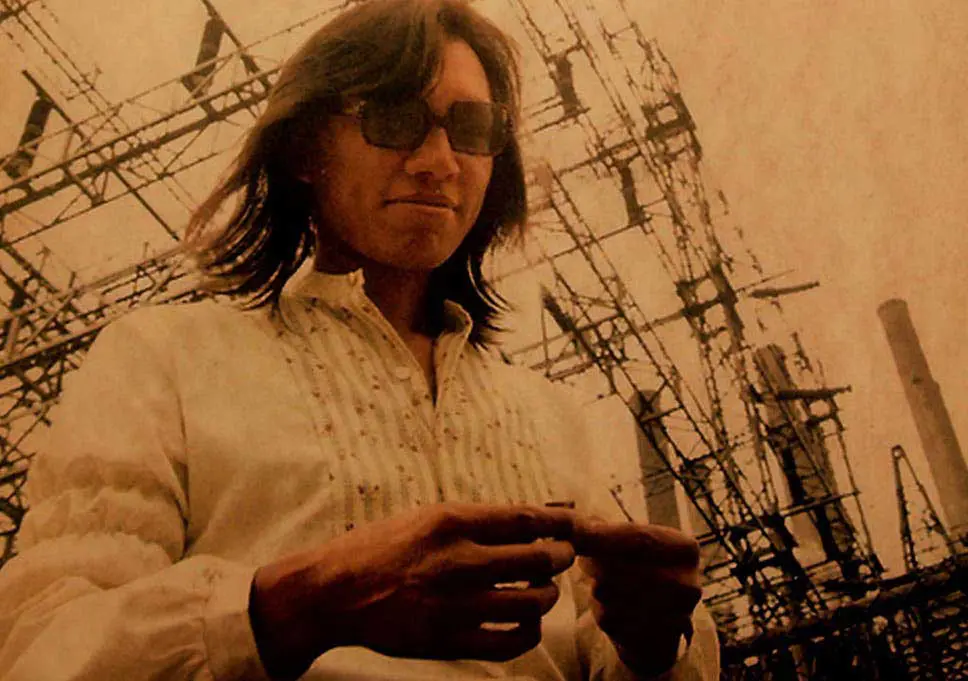
Directed by Malik Bendjelloul
This is the story of a South African cultural phenomenon—the search for American musician Sixto Rodriguez. While the film was originally shot using Super 8 film, director Malik Bendjelloul ran out of money and turned to his iPhone. With an app designed to mimic the Super 8 film (called 8mm Vintage Camera), Bendjelloul finished his film then released it as the opening film at the Sundance Film Festival in 2012. It went on to win a BAFTA Award for Best Documentary in London and then an Academy Award in Hollywood.
Night Fishing: Park Chan-wook’s Award-Winning iPhone 4 Short
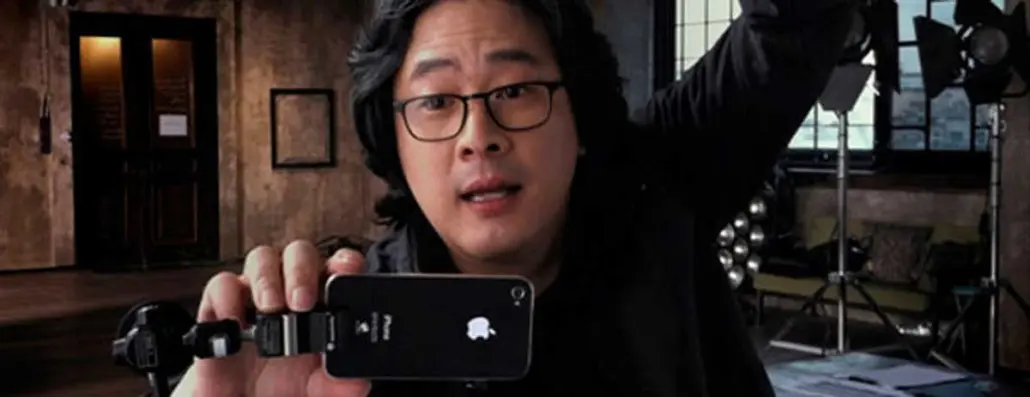
Directed by Park Chan-kyong and Park Chan-wook
Though a short piece— just 33 minutes in length—Night Fishing is another iPhone film worth noting. Shot on an iPhone 4, it was screened to around 100 reporters in 2011. The story follows a man who sets up a fishing trip but ends up reeling in the body of a woman. As he’s trying to untangle the lines, she comes alive. South Korean company KT (the exclusive distributor of the iPhone at the time in South Korea) supported the movie in that country, where it was widely acclaimed before launching globally and winning Best Short Film at the Berlin International Film Festival.
How Do You Shoot a Film on Your Phone? 5 Essential Tips
If you’re interested in shooting your own film on a smartphone, here are some tips to help you get started.
Use a filmmaking app. Don’t just use your native camera app (though that is possible). Try out a few filmmaking apps first. Steven Soderbergh uses Filmic Pro, but there are others available (MoviePro, Mavis, Procam, and Moment) that work really well, too. Learn the ins and outs of the app on a few small projects before you begin working on your film.
Get the right equipment. We all like to think we have a steady hand, but when you watch those videos of your friends or family opening presents on Christmas, you might as well be on a roller coaster. Find a good mobile stabilizer, and it will look like you had a team behind you. There are a few recommended by iPhone themselves including DJ Osmo Mobile, Zhiyun Smooth Q, and Freefly Movi.
Always shoot landscape. Ok, this might seem like a “duh,” but seriously, you don’t want to forget and capture an amazing shot in portrait. Be sure to automatically hold your phone landscape.
Find a good mic. You want your audience to hear every part of the story you’re trying to tell. You can find mic adapters designed just for your iPhone, or you can get multiple mics and record the sound separately. Either way, it’s worth it for a good film.
Edit, edit, edit. This includes color correction, trimming, and sound editing. If you want it to look professional, you need to do the work of post production. Check for white balance and exposure. There are several great editing apps or programs you can use, like Hit Film.
Always Be Creating at The Los Angeles Film School
Every film on this list proves the same point: a strong story will carry a film further than expensive equipment. Many filmmakers start with the camera already in their pocket and learn by making things. Our online Digital Filmmaking program builds on that idea. You learn to write, shoot, direct, and edit through hands-on projects you complete from home. If you’d rather train on set, our on-campus Film programs offer hands-on work with professional cameras, sound stages, and production crews, guided by industry-experienced instructors.
Ready to start making films? Request information about our programs, or apply now and put the camera in your pocket to work.
Frequently Asked Questions: 5 Films Shot on Smartphones
What famous movies were shot on a smartphone?
Several notable films were shot on smartphones, including Steven Soderbergh’s Unsane (iPhone 7 Plus), Danny Boyle’s 28 Years Later (iPhone 15 Pro Max), Sean Baker’s Tangerine (iPhone 5s), the Oscar-winning documentary Searching for Sugar Man, and Park Chan-wook’s short Night Fishing (iPhone 4). Together they span horror, blockbusters, indie drama, and documentary.
Can you really make a professional film with a smartphone?
Yes. Modern smartphones can capture high-resolution, cinema-quality footage, and several phone-shot films have earned theatrical releases, festival awards, and even an Academy Award. The key is treating the phone like a real camera: using a filmmaking app, stabilizing your shots, recording clean audio, and editing with care. Technique and story matter more than the device.
What was the first major film shot on an iPhone?
Park Chan-wook’s Night Fishing (2011), shot on an iPhone 4, was one of the first high-profile films made on a smartphone and won Best Short Film at the Berlin International Film Festival. On the feature side, Sean Baker’s Tangerine (2015) and Steven Soderbergh’s Unsane (2018) brought iPhone filmmaking into the mainstream.
What apps and gear do you need to shoot a film on your phone?
The essentials are a dedicated filmmaking app such as FiLMiC Pro, MoviePro, or Moment for manual control, a stabilizer or gimbal like the DJI Osmo Mobile for steady shots, an external microphone or recorder for clean sound, and editing software for color and trimming. This modest kit is what separates casual phone video from film-quality footage.
Why do filmmakers choose to shoot on smartphones?
Filmmakers choose smartphones for accessibility, mobility, and discretion. Phones are affordable and always on hand, they can go places a full camera rig cannot, and they draw little attention on location. For students and independent filmmakers especially, a phone removes the biggest barrier to getting started, which is access to expensive equipment.
Should you shoot video horizontally or vertically for a film?
For films, you should almost always shoot horizontally, in landscape orientation, because that matches the aspect ratio of theaters, televisions, and most streaming platforms. Vertical video suits social platforms, but landscape is the standard for any project meant to look cinematic on a traditional screen.
Where can I learn to make films, even just with my phone?
You can start learning filmmaking right now with the phone in your pocket. At The Los Angeles Film School, the Digital Filmmaking program teaches shooting, directing, and editing from wherever you are, while the on-campus Film programs add full access to professional cameras, stages, and crews. Graduates have gone on to create work across film, television, and streaming.
