
The History of Black Filmmakers Who Changed Hollywood
A Decade of Influential Black Artists Who Broke Grounds in Film
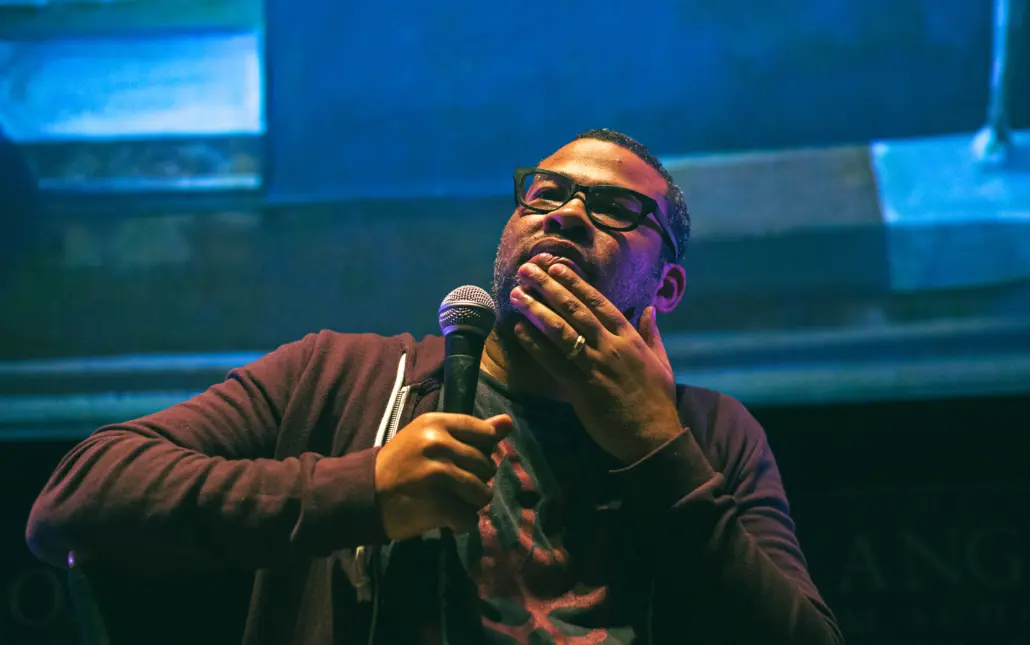
The 2010s was a pivotal decade for Black actors and filmmakers. The decade brought in fresh storylines with standout Black protagonists, first-time Oscar wins for Black filmmakers and a hashtag that changed history. Movie studios favored more varied stories with newer voices after #OscarsSoWhite exposed the Hollywood establishment as repeat offenders of marginalizing minorities. Black cinema thrived in this new era which challenged racial stereotypes and brought Black queerness to the forefront with movies like Barry Jenkin’s Moonlight (2016) and the documentary Tangerine (2015). Standout Black filmmakers and actors from the 2010s include Jordan Peele, Steve McQueen, Octavia Spencer, Ava DuVernay, Marhershala Ali, John Ridley, and Viola Davis just to name a few.
Jordan Peele shattered box office records with both of his horror films Get Out (2017) and Us (2019) and became one of Time Magazine’s most influential people in the world. While 12 Years a Slave director Steve McQueen made Oscar history as the first Black British director and producer to win an Academy Award for Best Picture. Some would argue that the 2010s was the banner decade for Black filmmaking, but the real foundation happened long before then. There were many influential Black artists throughout the decades who paved the way for people like Jordan Peele and Steve McQueen to excel as filmmakers. As we’ve become familiar with the last decade of Black filmmakers, it’s vital to take a look back in film history at the Black storytellers who started it all.
These five heavy-hitters changed the film industry throughout history
Oscar Micheaux
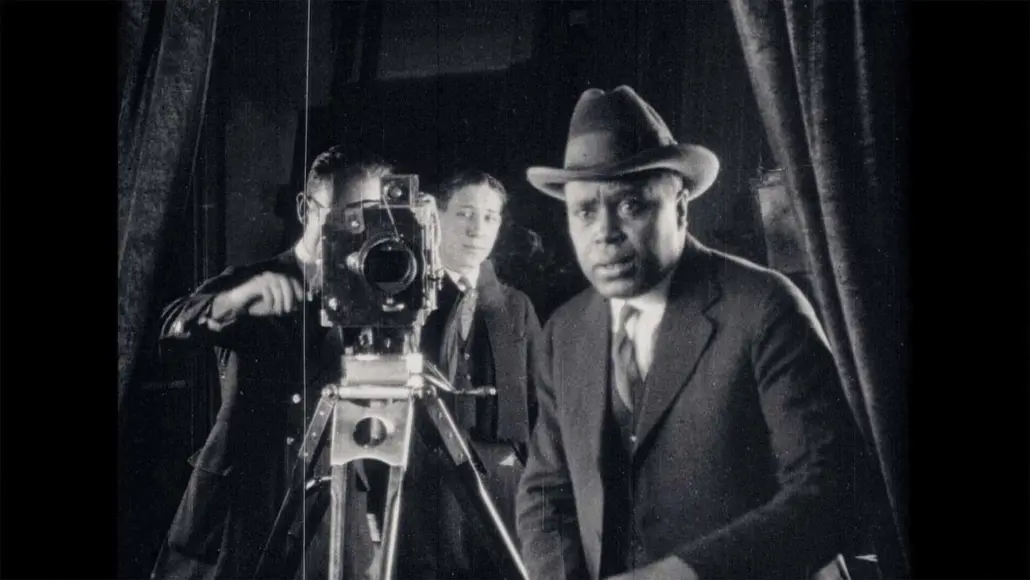
What is Oscar Micheaux known for?
Oscar Micheaux was a pioneer for Black filmmaking and is credited for being the first African American to produce a feature-length film in 1919. Born into slavery in southern Illinois, Oscar Micheaux left home for Chicago to pursue work as a Pullman porter on railroads. This was one of the best jobs at the time for African Americans. However, Oscar Micheaux had bigger ambitions as a writer. He wrote a series of novels, including his most famous self-published novel The Homesteader. Two independent filmmakers offered Oscar Micheaux to buy the rights to The Homesteader, but Micheaux declined and pursued his own path to making his novel into a feature film. Today, Oscar Micheaux is credited with being the first Black filmmaker. He even made a movie before Charlie Chaplin’s The Kid came out in 1921.
Spike Lee
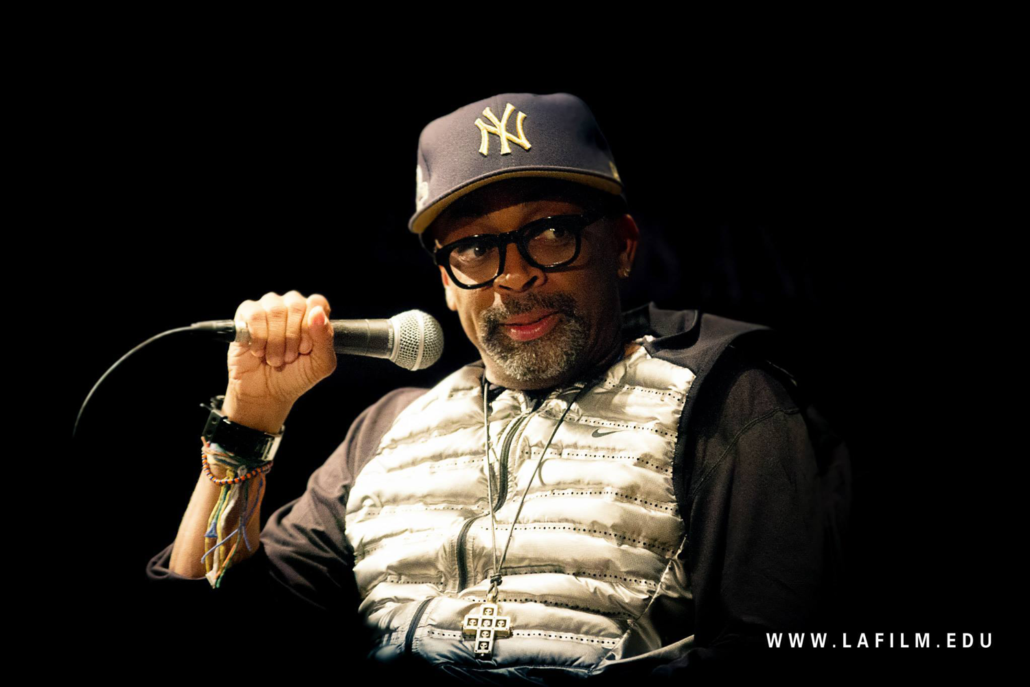
What is Spike Lee known for?
Spike Lee splashed on the film scene with his 1986 movie, She’s Gotta Have it, which only took two weeks to shoot with a budget of $175K. The movie grossed $7 million and is considered the most profitable movie in 1986. Spike Lee went on to direct, produce, write and star in films over the past four decades and only keeps adding to his impressive filmography. In his early years as a filmmaker, Spike Lee’s work explored the racial inequality and lived experiences of African Americans. Outspoken and unapologetic about his critiques on the societal mistreatment of African Americans, Spike Lee has become one of the most profound voices in filmmaking and American pop culture. Some of his monumental filmographies include Malcolm X (1992), 4 Little Girls (1997), He Got Game (1998), Inside Man (2006), and BlacKkKlansman (2018).
Sidney Poitier
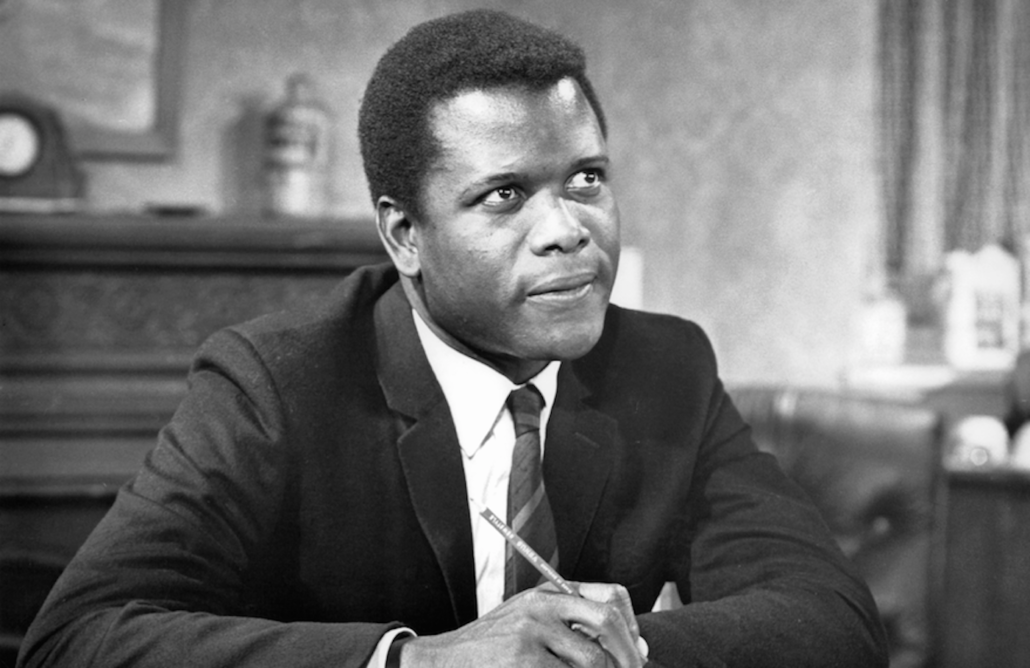
What is Sidney Poitier known for?
Sidney Poitier is the greatest American movie star, according to Times culture critic Wesley Morris. Sidney Poitier was the first Black actor to win the Academy Award for Best Actor for his role in Lilies of the Field. It took 38 years for another Black actor to win Best Actor at the Academy Awards. Only four Black actors have ever won in that category. His strength of character and determination to make a name for himself as an African-American actor, led him to become one of the most well-respected actors in Hollywood. Sidney Poitier passed away this past year but leaves behind a colossal legacy for African-American actors, filmmakers and artists.
Melvin Van Peebles
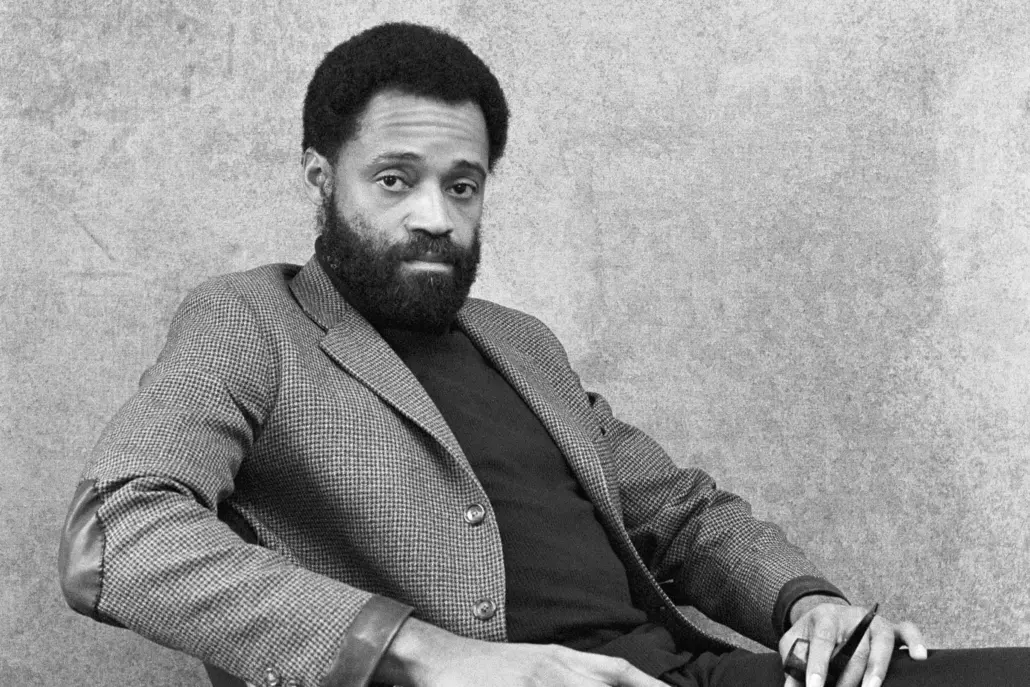
What is Melvin Van Peebles known for?
Melvin Van Peebles is best known for his landmark films Sweet Sweetback’s Baadasssss Song and Watermelon Man. Both films introduced Black themes to audiences in the 1970s in an effort to appeal to Black urban audiences. As a Chicago native, Melvin Van Peebles had a pulse on the film and entertainment industry as very few African Americans were directing movies at the time. He was also a novelist, songwriter, musician and painter. Melvin Van Peebles is rightfully referred to as the Godfather of Black Cinema.
Julie Dash
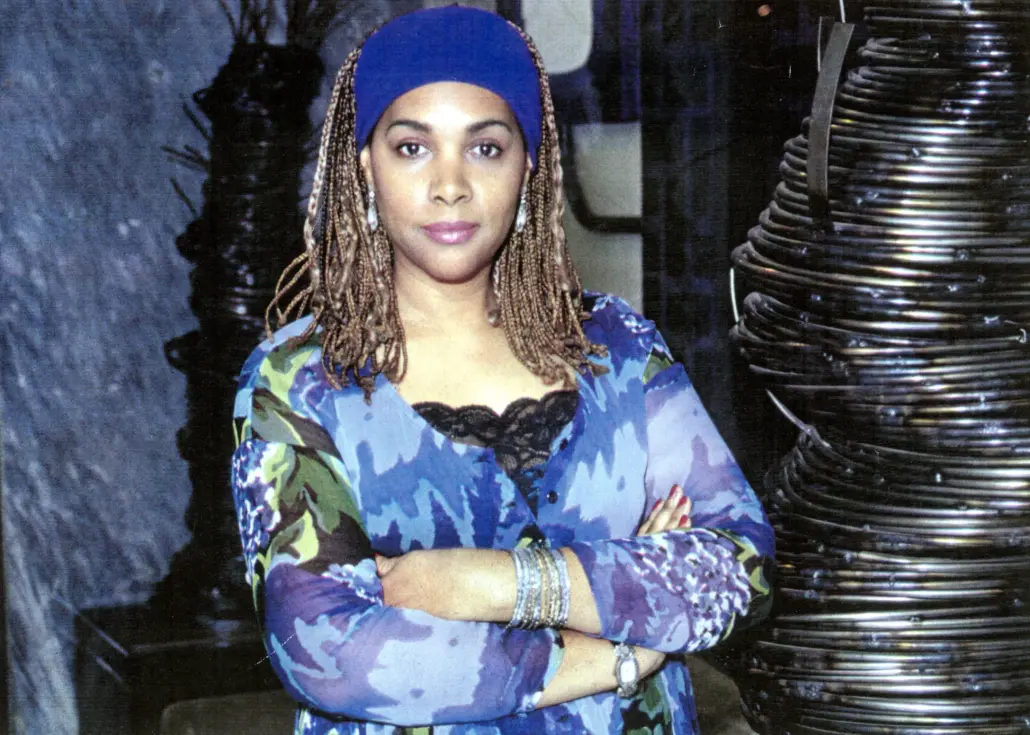
What is Julie Dash known for?
Julie Dash is a modern television tycoon who has worked in the film and TV industry for the past three decades. Julie Dash is a director, writer and producer who received her MFA from UCLA Film School. She is part of the graduating class of filmmakers known as the L.A. Rebellion, which refers to the first African and African American students who studied film at UCLA. The L.A. Rebellion heavily influenced some of Julie Dash’s early work in her career. Her films focused on the lives of Black people and the unique struggles of Black women in America. She is best known for her film Daughters of the Dust, which premiered at the Sundance Film Festival in 1991. Daughters of the Dust became the first feature film directed by an African-American woman distributed theatrically in the U.S.
Every Pioneer Started With a Story to Tell
From Oscar Micheaux self-financing the first feature by a Black filmmaker, to Julie Dash becoming the first African American woman with a theatrically distributed feature, to Jordan Peele rewriting the rules of modern horror, these artists share one thing: they refused to wait for permission to tell their stories. Each one expanded what Hollywood could look like and who got to shape it.
At The L.A. Film School, located in the heart of Hollywood, we believe the next generation of groundbreaking storytellers is already out there. Whether your path is in Film or Writing for Film & TV, we’ll help you build the craft and the voice to tell stories only you can tell.
Request Info to explore our programs, or Apply Now and start writing your own chapter in film history.
FAQs: The History of Black Filmmakers Who Changed Hollywood
1. Who is considered the first Black filmmaker?
Oscar Micheaux is credited as the first African American to produce a feature-length film, in 1919. Born into slavery in southern Illinois, he worked as a Pullman porter before pursuing writing, then self-published the novel The Homesteader. When two filmmakers offered to buy the rights, he declined and adapted it into a feature himself, beating Charlie Chaplin’s The Kid (1921) to the screen.
2. Why was the 2010s such a pivotal decade for Black filmmaking?
The decade brought fresh storylines led by Black protagonists, first-time Oscar wins for Black filmmakers, and a cultural reckoning. After the #OscarsSoWhite hashtag exposed Hollywood’s pattern of marginalizing minorities, studios began favoring more varied stories and newer voices. Films like Moonlight (2016) and Tangerine (2015) challenged stereotypes and brought Black queerness to the forefront.
3. What is Spike Lee best known for?
Spike Lee broke through with She’s Gotta Have It (1986), shot in two weeks on a $175K budget, which grossed $7 million and became the most profitable film of that year. Over four decades he has directed, produced, written, and starred in films exploring racial inequality and the African American experience, including Malcolm X, 4 Little Girls, Inside Man, and BlacKkKlansman. He’s regarded as one of the most profound voices in American filmmaking and pop culture.
4. What made Sidney Poitier so significant in film history?
Sidney Poitier was the first Black actor to win the Academy Award for Best Actor, for Lilies of the Field. It would take 38 years for another Black actor to win that category, and only four ever have. Beyond the awards, his dignity and determination made him one of the most respected actors in Hollywood, and culture critic Wesley Morris has called him the greatest American movie star.
5. Why is Melvin Van Peebles called the “Godfather of Black Cinema”?
Melvin Van Peebles is best known for the landmark films Sweet Sweetback’s Baadasssss Song and Watermelon Man, which brought Black themes to audiences in the 1970s and spoke directly to Black urban viewers at a time when very few African Americans were directing movies. A novelist, songwriter, musician, and painter as well, his influence earned him the title Godfather of Black Cinema.
6. What is Julie Dash known for, and what was the L.A. Rebellion?
Julie Dash is a director, writer, and producer best known for Daughters of the Dust, which premiered at Sundance in 1991 and became the first feature directed by an African American woman to be distributed theatrically in the U.S. She earned her MFA from UCLA and was part of the L.A. Rebellion, the first generation of African and African American students to study film at UCLA, whose work centered the lives and struggles of Black people, and Black women in particular.
7. How did earlier Black filmmakers influence today’s directors?
The breakthroughs of the 2010s, from Jordan Peele’s record-breaking horror films to Steve McQueen becoming the first Black director to win Best Picture for 12 Years a Slave, were built on a foundation laid decades earlier. Pioneers like Micheaux, Poitier, Van Peebles, Lee, and Dash created opportunities and expanded what was possible, making it vital to look back at the storytellers who started it all.
