
What Were Your Favorite Animated Shows as a Kid?
How Animated Shows Became a Standard in American Television
If someone asked what shows you watched the most as a kid, it’s likely the majority of your answers would be animated series. Animated TV series have been an important part of American childhoods since the ’60s and, now, it’s a part of our adulthood, too. The incredible thing is that animation hasn’t remained stagnant. New animation technology and evolving styles and storylines keep audiences hooked and eager for the next series.
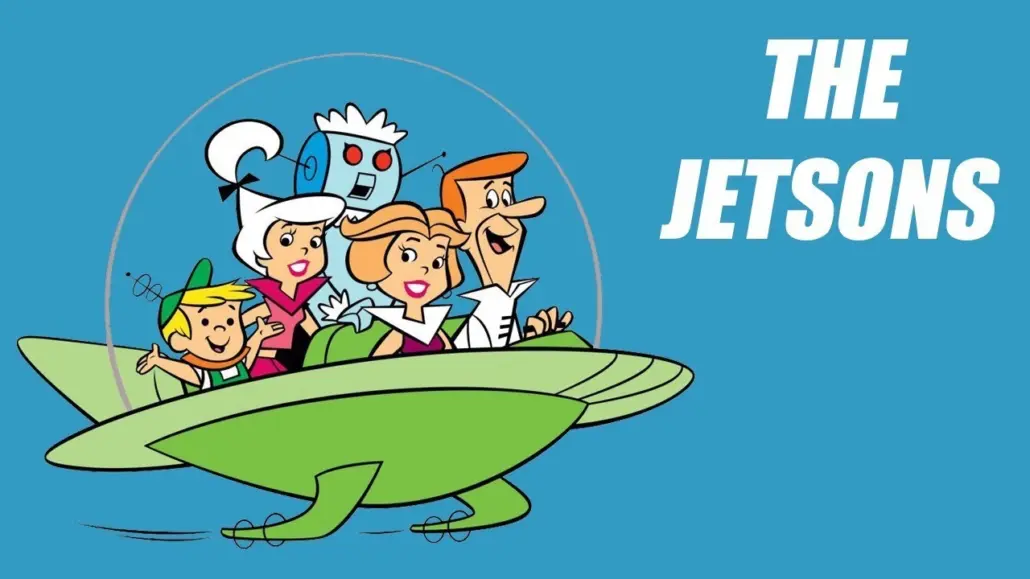
Animated TV shows began drawing in young audiences in the 1960s. Fred Flintstone and his yabadabadoo! were quickly followed with The Jetsons and their robotic maid, Rosie. These two series are considered staples in the vintage library of animation, with Scooby-Doo joining them as the number one mystery series for kids in the 1970s.
When networks realized just how popular animation was with their audience, more series and characters began appearing on Saturday mornings. But even that wasn’t enough. In the 1980s and 1990s, networks like Cartoon Network, Nickelodeon, and The Disney Channel began producing dozens of animated shows on weekdays.
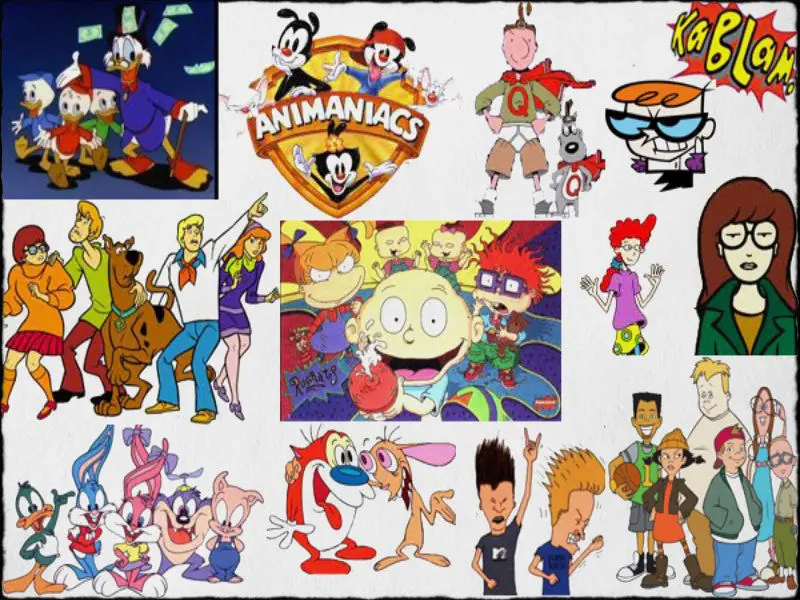
Do you remember your favorite cartoons? You can probably start listing off five or six right now. For most millennials, it’s hard to forget the theme song of The Animaniacs or Rugrats. But even beyond Saturday morning cartoons with a bowl of Lucky Charms in your pajamas, animated TV shows have become an integral part of American pop culture.
Animated Characters Brought to Life
Los Angeles is one of the top ten most visited cities by foreign tourists in the U.S. Why?
Because entertainment and film are one of the defining characteristics of America.
But it isn’t just true for foreign visitors. Animation has sunk deep into our psyche as Americans.
Around 18 million people pass through Disneyland’s gates every year, and it’s not just because of Space Mountain or Pirates of the Caribbean. It’s because of animated characters. The same holds true for many other amusement parks across the country. From Mickey Mouse to Bugs Bunny, Bart Simpson to Batman, animated characters bring nostalgic wonder to every visitor, old and young.
Where would we be without The Simpsons?
In 2014, the BBC wrote about how The Simpsons have changed TV more than any other television show. It has been on Fox television for thirty years and celebrated its 713th episode last year. The cultural or political references in the show continue to appeal to audiences. Every episode seems relevant to the here and now while the nostalgia of past experiences continues to bring viewers back in.
And now, our on-demand culture means many of our favorite childhood shows are easily found online. With Disney+, we have access to every episode of Chip and Dale: Rescue Rangers or Duck Tales we could dream of. Oh, and by the way—Duck Tales is enjoying a resurgence with the new series. And it’s not the only one (hello, Pony Pals). These cartoons are so much a part of Americana, we can’t let them go.
Adults Still Want Animated Shows, Too.
With cosplay and merchandising at its peak with animated characters, some networks, FOX in particular, have kept up our desire for animated series with adult cartoons. Adult cartoons are “an essential vessel for pop culture references and our aging society.” We want the same hilarity and space to make fun of ourselves (and our politicians) that we had in shows like The Simpsons. Networks like FOX have their captive audiences figured out and are still producing shows like King of the Hill, Family Guy, and Futurama.
Based on the popularity of animated series, networks know they’re not just for kids. New animated series for adults combine high-brow and low-brow humor, drawing in audiences of all backgrounds. Streaming services are taking cartoons to a whole new level—creating their own original series, like Netflix’s hugely popular Bojack Horseman, which finished its sixth season in January 2020. Shows like Rick and Morty and Archer are available to stream (and binge!) on several sites (like Hulu and YouTube TV), a big step up from waiting week to week for a new episode of King of the Hill or Daria. It’s an element of American culture that is here to stay, and it will “continue to make history.”
Want to Make Your Own Animated Series?
Whether it’s old episodes of Gargoyles on Disney+ or the newest episode of The Simpsons, animated TV shows are here to stay. They’re staying relevant and, with online streaming, are becoming favorites for new generations. Popular animated TV shows will be around for a long time, cementing their role in American pop culture and an important part of our living room conversation for life.
Our Animation Program is a great place to start. See what it takes to write for a scripted animated series from writer/director, Michael Price.
Ready to Create the Next Cartoon Classic?
The shows you loved as a kid did more than fill Saturday mornings, they became a permanent part of American culture. And that magic hasn’t slowed down. New technology, evolving styles, and streaming platforms keep animation fresh, drawing in new generations while keeping longtime fans coming back. Someone gets to create the characters the next generation will never forget. Why not you?
At The L.A. Film School, our Animation program is a great place to start. Explore it on campus or online and learn what it takes to bring characters and worlds to life.
Request Info to explore our programs, or Apply Now and start turning your imagination into animation.
FAQs: Favorite Animated Shows
1. When did animated TV shows first become popular?
Animated series began drawing in young audiences in the 1960s. The Flintstones and Fred’s famous “yabadabadoo!” were quickly followed by The Jetsons and their robotic maid, Rosie, both now considered staples of vintage animation. Scooby-Doo joined them in the 1970s as the number one mystery series for kids, and once networks saw how popular animation was, more shows and characters began filling Saturday mornings.
2. How did animation expand beyond Saturday mornings?
As demand grew, Saturday mornings alone weren’t enough. In the 1980s and 1990s, networks like Cartoon Network, Nickelodeon, and The Disney Channel began producing dozens of animated shows on weekdays. For many millennials, theme songs from series like Animaniacs and Rugrats remain unforgettable, cementing cartoons as an integral part of American pop culture rather than just a weekend treat.
3. Why are animated characters so central to American culture?
Animated characters carry a nostalgic wonder that reaches across generations. Around 18 million people pass through Disneyland’s gates every year, drawn not only by rides but by beloved characters. From Mickey Mouse and Bugs Bunny to Bart Simpson, these figures have sunk deep into the American psyche, and entertainment and film remain among the country’s defining cultural characteristics.
4. How influential is The Simpsons?
Hugely influential. In 2014, the BBC wrote about how The Simpsons changed TV more than any other show. It has aired on Fox for over thirty years and continues to resonate through cultural and political references that feel relevant to the moment, while nostalgia keeps longtime viewers coming back. Its staying power makes it one of the most significant series in television history.
5. Are animated shows just for kids?
Not at all. Networks recognized that animation appeals to adults too, keeping the appetite alive with adult cartoons that serve as vessels for pop culture references and social satire. Shows that got their start on FOX, like King of the Hill, Family Guy, and Futurama, blend high-brow and low-brow humor to draw in audiences of all backgrounds who want the same space to laugh at themselves and their politicians. Several have proven so enduring that they’ve found new life through streaming-era revivals, with King of the Hill and Futurama both returning on Hulu.
6. How has streaming changed animation?
Streaming has taken cartoons to a new level. On-demand culture means childhood favorites like DuckTales and Chip and Dale: Rescue Rangers are easily found online, while some older shows are enjoying full resurgences. Streaming services are also creating original series, from Netflix’s hugely popular BoJack Horseman to bingeable hits like Rick and Morty and Archer, a major shift from waiting week to week for a new episode.
7. What’s the outlook for animation going forward?
Animation is here to stay. Between old episodes finding new life on streaming platforms and fresh series arriving constantly, animated shows keep cementing their place in American pop culture. They remain a fixture of living room conversation and continue winning over new generations, which means there’s ongoing demand for the creators, writers, and artists who bring these worlds to life.
