
A History of Alt-Pop: From Cult Followings to Chart Domination
Updated September 17th, 2026.
For most of the last decade, there has been a particular purgatory reserved for pop artists who were too good to ignore and too strange for radio. Fan communities named it the khia asylum, borrowed from Khia, the early-2000s rapper whose defining single “My Neck, My Back” never translated into sustained commercial recognition. To be stuck there is to have a devoted fanbase, critical praise, and climbing streaming numbers while the radio-play gatekeepers look elsewhere. Escaping it is the moment everything changes.
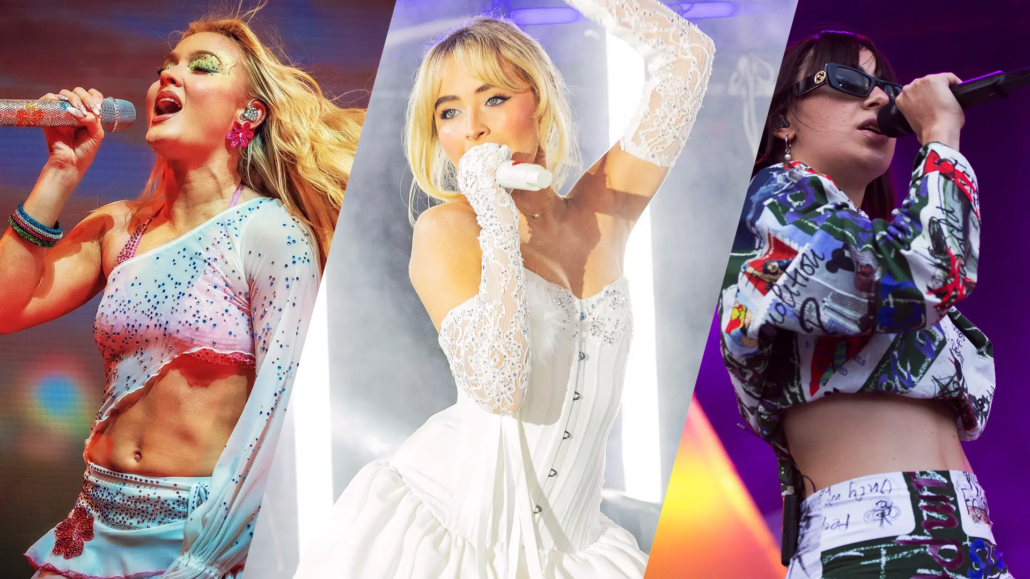
The pop landscape of the last several years has been shaped by a wave of those escapes. What connects the artists who made them isn’t sound. Alt-pop doesn’t really have one. It’s a posture: melodic instinct, a stubborn relationship with their own aesthetic, and a fanbase that formed around something real long before the industry took notice. For producers and engineers, understanding that posture, and being in the room when it matters, is increasingly what a career is built on.
Zara Larsson: the Long Game
Zara Larsson took her time getting there, which is another way of saying the industry took its time catching up. The Swedish singer arrived fully formed: technically impeccable, lyrically direct, never once hedging on what she was doing. “Lush Life” (2015) and “Symphony” (2017) were genuine pop moments, but Larsson spent years building in Europe while American radio stayed largely indifferent. Her cult following figured it out years before mainstream radio did: she wasn’t making niche music, she was making great pop music.
Charli XCX: the Artist Who Knew Exactly What She Was Doing
The Charli XCX story is the defining arc of the alt-pop era. She co-wrote Icona Pop’s “I Love It” in 2012, appeared on Iggy Azalea’s “Fancy” in 2014, and spent the decade that followed making critically acclaimed, commercially ignored pop music. Then Brat arrived in 2024, and the conversation changed overnight.
Her collaborators have consistently noted the same thing: clarity of vision. Our alumnus Daniel Zaidenstadt (Music Production, 2010) was in the studio on “Fancy,” engineering vocals on a track that was already a case study in alt-pop’s strange relationship with mainstream success. The song went to number one on the Billboard Hot 100 while its featured artist remained, somehow, a cult figure. “Charli… was doing this really cool underground stuff in England… and she was really apprehensive about [Fancy], she was worried it would be a huge pop song” Zaidenstadt said. He carried that experience forward, later working on Carly Rae Jepsen’s Dedicated, another cornerstone of alt-pop’s cult canon. He’s not the only LARS alumnus in Jepsen’s credits: Henrique Andrade (Recording Arts, 2011) worked on E-mo-tion, the 2015 record many consider the genre’s foundation text.
Watch the full interview here: Breaking Down the Hit Songs with Daniel Zaidenstaidt
Sabrina Carpenter: the Anatomy of a Breakthrough
Compared to Charli XCX’s meandering underground path, Sabrina Carpenter’s crossover felt almost surgical. Short n’ Sweet (2024) was the kind of record that makes you realize the audience had been ready for years. The infrastructure around the music needed to catch up. It won Best Pop Vocal Album at the 2025 Grammys and settled, definitively, the question of whether alt-pop craftsmanship and commercial success could coexist.
LA Recording School alumnus Anthony Vilchis (Music Production, 2018) was part of the team that brought that sound to life, serving as a mixing engineer on the album. Vilchis has worked under Manny Marroquin at Larrabee Studios and become one of the more reliable names across major pop and R&B credits in recent years. His name also appears on Rosalía’s Motomami (2022) and FKA Twigs’ Eusexua, which won Best Dance/Electronic Album at the same ceremony. FKA Twigs’ Eusexua, which won Best Dance/Electronic Album at the same ceremony.
Why This Matters If You’re Making Music
Streaming fragmented what used to be a centralized industry. According to Luminate data cited by Billboard, the top ten streaming hits’ market share has shrunk significantly over the last decade. MIDiA Research put numbers on it: in the UK, the top 100 tracks claimed 10.3% of all streams in 2016. By 2023 that figure had dropped to 3.7%. Algorithms served listeners exactly what they already liked. Building a devoted audience without radio support became viable but converting that into mainstream crossover got harder.
What changed in 2024 was the reemergence of music as something shared. Brat and Short n’ Sweet became cultural moments at a time when audiences were actively looking for them. The fragmentation had created the hunger; years of fanbase-building satisfied it. The khia asylum graduates weren’t discovered, they were finally caught up to. The producers and engineers who were with them through it are not footnotes, they are the reason the songs sound the way they do.
The khia asylum, it turns out, isn’t a holding pen but a workshop.
Train Where the Credits Are Made
The producers and engineers behind alt-pop’s biggest moments aren’t footnotes, they’re the reason the songs sound the way they do. Being in the room when it matters, with the technical skill and creative instinct to shape a record, is increasingly what a music career is built on. That’s the kind of craft you can develop at The LA Recording School.
For over 20 years, our program has trained the engineers and producers behind sessions like these, and graduates have gone on to work with artists across pop, R&B, and the alt-pop wave rewriting the charts right now. Explore our Music Production program on campus or online to find the path that fits you.
Request Info to explore our programs, or Apply Now and start working toward the credits that matter.
FAQs: History of Alt-Pop
What is alt-pop?
Alt-pop is less a defined sound than a posture. What connects its artists isn’t a shared sonic style but a combination of melodic instinct, a stubborn commitment to their own aesthetic, and a fanbase that formed around something real long before the industry took notice. It’s pop craftsmanship that lives slightly outside the mainstream, at least until the mainstream catches up.
What is the “khia asylum”?
It’s a term fan communities coined, borrowed from Khia, the early-2000s rapper whose single “My Neck, My Back” never translated into lasting commercial recognition. To be stuck in the khia asylum is to have a devoted fanbase, critical praise, and rising streaming numbers while radio-play gatekeepers look elsewhere. Escaping it, the moment mainstream recognition finally arrives, is when everything changes for an artist.
Which artists define the modern alt-pop era?
Three stand out. Zara Larsson played the long game, arriving fully formed and building in Europe for years while American radio stayed indifferent to what was simply great pop music. Charli XCX spent a decade making critically acclaimed, commercially overlooked music before Brat (2024) changed the conversation overnight. And Sabrina Carpenter’s Short n’ Sweet (2024) delivered an almost surgical crossover, winning Best Pop Vocal Album at the 2025 Grammys.
How are LA Recording School alumni connected to these records?
Several LARS graduates were in the room for defining alt-pop moments. Daniel Zaidenstadt (Music Production, 2010) engineered vocals on Iggy Azalea’s “Fancy” (featuring Charli XCX) and later worked on Carly Rae Jepsen’s Dedicated. Henrique Andrade (Recording Arts, 2011) worked on Jepsen’s E-mo-tion, considered a foundational alt-pop text. And Anthony Vilchis (Music Production, 2018) was a mixing engineer on Carpenter’s Short n’ Sweet, with credits also including Rosalía’s Motomami and FKA Twigs’ Eusexua.
How did streaming change the path to mainstream success?
Streaming fragmented what used to be a centralized industry. Data cited by Billboard from Luminate shows the top ten streaming hits’ market share shrinking significantly over the last decade, and MIDiA Research found that in the UK, the top 100 tracks fell from 10.3% of all streams in 2016 to just 3.7% in 2023. Algorithms served listeners more of what they already liked, which made building a devoted audience without radio viable, but made converting that into a mainstream crossover harder.
Why did alt-pop break through commercially in 2024?
Because music re-emerged as something shared. Records like Brat and Short n’ Sweet became cultural moments at exactly the time audiences were hungry for them. The years of fragmentation had created that hunger, and years of patient fanbase-building satisfied it. In a sense, these artists weren’t suddenly discovered; the broader audience finally caught up to what their fans had known all along.
What does alt-pop’s rise mean for aspiring producers and engineers?
It underscores that the people behind the boards matter enormously. As the article frames it, the khia asylum isn’t a holding pen but a workshop, and the producers and engineers who stay with artists through the climb are the reason the finished songs sound the way they do. For anyone entering the field, it’s a reminder that technical skill, creative vision, and being in the room when it counts are what careers are built on.
