
From Screen to Scream: 5 Horror Movies that Changed the Genre
Updated November 2nd, 2026.
Your palms are sweating. The little hairs on the back of your neck are standing up. You can hardly breathe.
There’s nothing quite like watching a horror film. It’s the genre of movie that really demonstrates the power of cinema; how a series of 24 images projected onto a screen every second can create something that feels so real. That can have such a profound emotional effect on us.
From possessed children to masked killers, horror is a genre of reinvention. Just when audiences think they’ve seen it all, one film comes along to change the entire genre, inspiring a whole wave of films to make the most of its impact.
So let’s step into the shadows and take a look at the five films that redefined horror.
Just don’t look behind you.
1. The Exorcist: The Film That Launched the “Based on a True Story” Horror Boom
When The Exorcist hit theaters in 1973, it was a sensation. Stories of fainting moviegoers, theaters stocked up with smelling salts and lines around the block in the middle of Winter proved just how shocking it was.
It showed just how powerful an effect a film could have on people, with esteemed film critic Roger Ebert remarking that it exploited “the ways film can manipulate feeling…I am not sure exactly what reasons people will have for seeing this movie; surely enjoyment won’t be one…Are people so numb they need movies of this intensity in order to feel anything at all?”
The Exorcist tapped into the latent human fear of the supernatural, creating the “true story” trend that is so popular in horror today. It opened the door to a wave of supernatural horror: The Omen terrified parents with visions of the Antichrist and Poltergeist brought demonic hauntings into suburban living rooms.
The influence of The Exorcist can be felt in the modern day, with the creation of The Conjuring universe decades later—a repackaged formula for modern audiences hungry for “true story” scares.
The Exorcist didn’t just create a subgenre. It created an enduring fear that no amount of garlic or holy water can wash away.
2. Jaws: The Movie That Created the Modern Creature Feature
What was lurking in the water in 1975 wasn’t just Bruce the mechanical shark, but the birth of the modern creature feature.
Jaws was more than a summer blockbuster. With its ominous score, glimpses of a great white shark and the primal fear of being hunted, the film made almost an entire generation of people afraid to go back in the water.
The formula caught on fast. Sharks, bears and piranhas—if it had teeth, Hollywood gave it a horror movie. Even decades later, The Meg and 47 Meters Down show how deeply Jaws etched the creature-feature blueprint into our collective imagination.
But the influence didn’t stop at the ocean’s edge. Ridley Scott’s Alien took the same concept of an unstoppable predator hunting humans and launched it into space. And while it looked like sci-fi, at its core Alien was pure horror, using isolation, claustrophobia—and the simple fear of being devoured alive—to terrify audiences.
Creature features endure because they tap into something universal: the fear of what lurks just out of sight. Whether it’s a fin breaking the surface or a shadow slithering through the dark, the unknown predator has kept audiences on edge ever since Jaws first swam onto the screen.
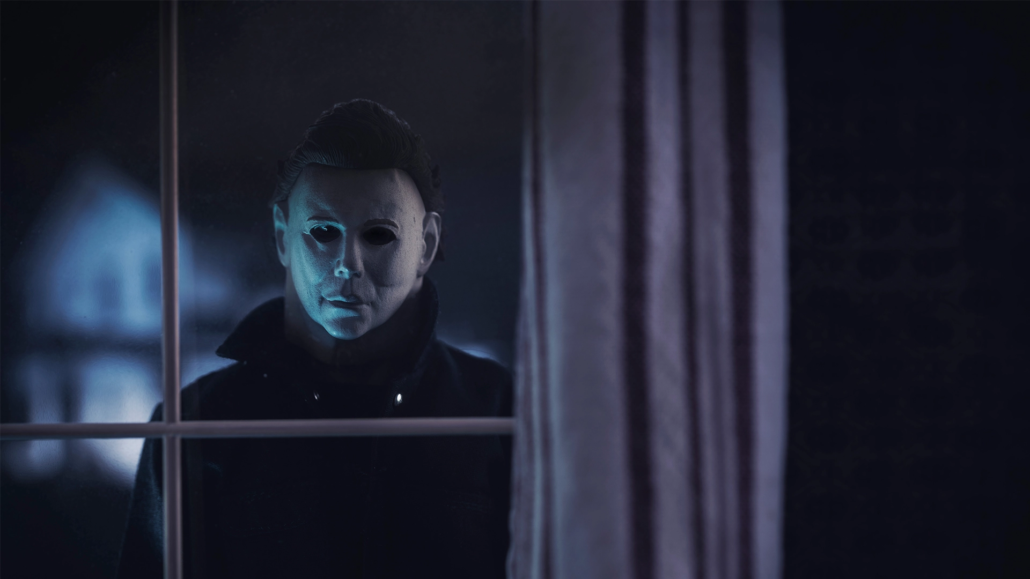
3. Halloween: The Film That Set the Rules of the Slasher
When Halloween slashed its way into theatres, it carved out a whole new kind of horror.
John Carpenter’s low-budget film established the rules of the modern slasher: the masked, seemingly immortal killer, the vulnerable teens, the final girl who fights back and the quiet suburban setting turned sinister.
In its wake came a flood of imitators. Friday the 13th turned summer camp into a bloodbath. A Nightmare on Elm Street twisted the formula by giving Freddy Krueger supernatural powers. Other films like Prom Night and My Bloody Valentine followed suit, each putting their own spin on the masked-killer archetype.
But by the mid-90s, horror fans had seen enough slashers to know the clichés by heart— the character who dies first, the jump scare that always follows silence, the killer who just won’t stay down.
That’s when Scream reinvented the genre by turning the knife back on itself. Wes Craven’s self-aware slasher was both a parody and a love letter, reminding audiences why masked killers worked in the first place—while giving them a fresh reason to scream.
4. The Blair Witch Project: : The Movie That Made Found Footage Mainstream
In 1999, three filmmakers got lost in the woods with a shaky camcorder—or at least that’s what audiences were led to believe.
The Blair Witch Project blurred the line between fiction and reality so convincingly that some moviegoers thought they were watching real recovered footage, which was all part of the film’s clever marketing. Its stripped-down style with raw handheld shots and improvised dialogue reinvented horror for the digital age.
Camcorders and “real” footage became the scariest tools in the genre. Paranormal Activity took the formula indoors, using home surveillance and bedroom cameras to terrify audiences with things that went bump in the night. Cloverfield brought it to the scale of a monster movie, making a classic sub-genre so much more real and horrifying for modern audiences.
What made found footage work was the illusion of reality. By handing the camera to the characters themselves, these films put audiences inside the fear—every shaky frame making the horror feel that much closer.
Even today, the influence of The Blair Witch Project can be felt in horror’s obsession with realism. Found footage proved that sometimes the scariest stories aren’t polished. They’re the ones that feel like they could have happened to anyone, anywhere, with nothing more than a cheap camera and a bad decision.
5. Night of the Living Dead: The Film That Invented the Modern Zombie
Sometimes horror isn’t just about what’s lurking in the shadows. It’s about what’s hiding in plain sight.
George Romero’s Night of the Living Dead shocked audiences in 1968 with its flesh-eating zombies, inspiring a whole sub-genre of horror. In a decade marked by civil rights struggles, the film also broke ground by featuring an African-American protagonist.
The film’s unexpected ending is also a sharp critique on racism, inspiring a wave of horror films that reflected society’s darkness.
Decades later, Jordan Peele’s Get Out carried the torch, weaving racial tension and systemic exploitation into a terrifyingly sharp horror film where audiences were forced to confront the horrors of racism lurking beneath polite smiles.
Films like They Live tackled consumer culture, while Hereditary and The Witch explored family trauma and patriarchal control under the guise of supernatural dread.
This kind of “elevated horror” doesn’t just scare us, but sticks with us—because it’s rooted in truths we’d rather not face. From Romero to Peele, social commentary horror reminds us that sometimes the most chilling stories are the ones drawn straight from real life.
Why Horror Keeps Reinventing Itself
Horror has never just been about scares. It’s a mirror of its time, reflecting the fears, anxieties and obsessions of the culture that creates it.
From Cold War paranoia to social injustice, every groundbreaking horror film taps into something deeper than blood and jump scares.
It’s also a genre of constant reinvention. Each game-changer—whether it’s The Exorcist, Halloween or The Blair Witch Project—spawns a wave of imitators until another bold idea comes along to shift the rules all over again.
That cycle of innovation and imitation is what makes horror such a fascinating genre.
Want to Make Movies That Break the Mold?
Every film on this list changed horror because someone was willing to try what had not been done before. If that is the kind of filmmaker you want to be, The Los Angeles Film School is built for it. Our Film program puts you on real sets with the gear and mentorship to shoot your own scares, and our Digital Filmmaking program delivers that same hands-on craft online, so you can learn from anywhere. If the fear starts on the page, our Writing for Film & TV program teaches you how to build the tension, twists, and characters that make horror land. Graduates have gone on to write, shoot, and edit across film and television.
Ready to make something unforgettable? Request information about our programs, or apply now to start building worlds worth screaming about.
Frequently Asked Questions: Horror Movies
What are the most influential horror movies of all time?
Five films stand out for changing the genre: The Exorcist, which fueled the “based on a true story” supernatural boom; Jaws, which built the modern creature feature; Halloween, which set the rules of the slasher; The Blair Witch Project, which made found footage mainstream; and Night of the Living Dead, which invented the modern zombie and brought social commentary into horror.
What movie started the slasher genre?
Halloween (1978) is widely credited with establishing the modern slasher. It set the conventions the subgenre still runs on: a masked killer, a group of vulnerable teens, the resourceful “final girl,” and an ordinary suburb hiding danger. Films like Friday the 13th and A Nightmare on Elm Street followed its template closely.
What was the first found footage horror movie to go mainstream?
The Blair Witch Project (1999) brought found footage into the mainstream. Its handheld, first-person style and a marketing campaign that blurred fact and fiction convinced many viewers the footage might be real. That illusion of realism became the blueprint for later found footage hits like Paranormal Activity and Cloverfield.
Why is Night of the Living Dead considered important?
Night of the Living Dead (1968) launched the modern zombie subgenre and broke ground by casting a Black actor as its lead, with an ending widely read as a commentary on racism. It proved horror could be socially engaged, a tradition that continues in films like Get Out, Hereditary, and The Witch.
Why does horror keep reinventing itself?
Horror evolves because it reflects what each generation fears most, from Cold War paranoia to anxieties about technology and identity. The genre tends to move in cycles: a breakthrough film introduces a new idea, a wave of imitators follows, and then someone reinvents the formula again. That constant renewal is a big part of why horror endures.
What can film students learn from classic horror movies?
Classic horror is a practical lesson in tension, pacing, and point of view. Jaws shows the power of what you do not show, Halloween demonstrates how structure builds dread, and The Blair Witch Project proves that a small budget and a strong concept can outperform spectacle. Studying why these films work builds instincts that apply to any genre.
How can I learn to make horror movies?
Making horror means mastering both the camera and the script. At The Los Angeles Film School, the Film and Digital Filmmaking programs put you on sets to shoot and edit your own work, while the Writing for Film & TV program focuses on the structure, tension, and characters that make a scare land. Graduates have gone on to write, direct, and edit across film and television.
