
Famous Directors Who Got Started in Horror
Updated November 2nd, 2026.
Horror is a unique genre in filmmaking that lends itself to unabashed creativity that isn’t seen in many other genres. It acts as a kind of test lab for filmmakers to experiment with technology, story ideation and practical effects. The barrier to entry is low, which allows many independent or up-and-coming filmmakers to show off their talents without pressure from big production studios. Many of the famous directors you are familiar with today got their start in horror filmmaking, including Peter Jackson and Sam Rami. Keep reading to find out about five famous filmmakers who got their start with horror movies.
Why Do So Many Famous Directors Start in Horror?
Many acclaimed directors begin in horror because the genre has a low barrier to entry and invites experimentation, letting up-and-coming filmmakers push story, technology, and practical effects without big-studio pressure. Horror rewards invention over budget, which makes it the perfect proving ground for a first-time director with more ideas than money.
Kathryn Bigelow: From the Vampire Film Near Dark to an Oscar
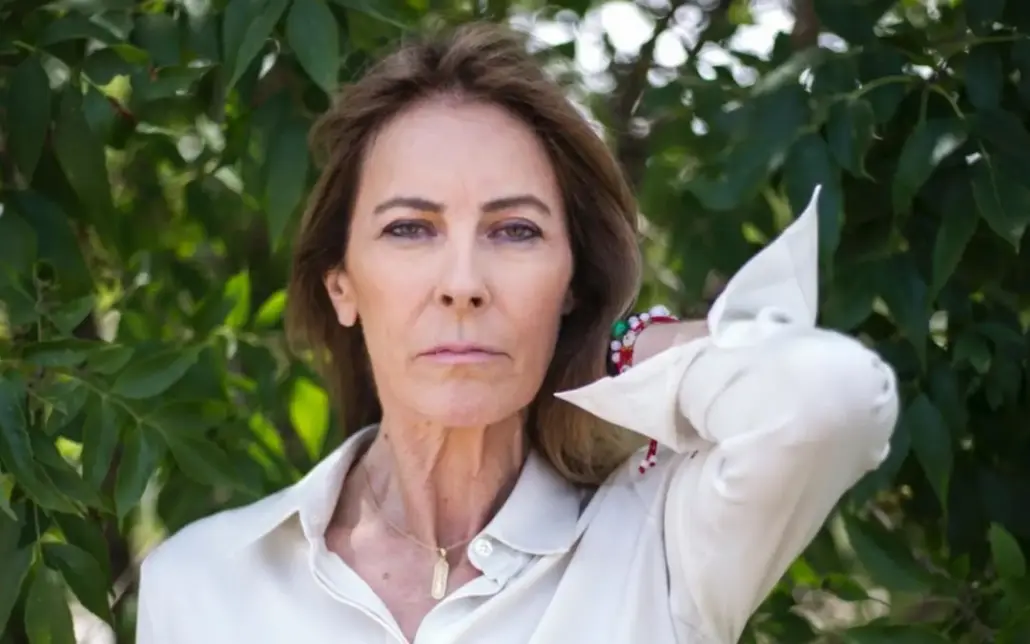
Well before Kathryn Bigelow blew audiences away with her Oscar-winning film The Hurt Locker, she made a little indie horror film titled Near Dark (1987). Bigelow made her directing debut with the neo-Western horror film Near Dark with co-writer Eric Red. Near Dark is highly regarded within the film community as a substantial horror-Western hybrid despite its initial box office struggles. The film takes place in a Southwestern town and follows a young man who becomes involved with a family of nomadic vampires. Bigelow used this film as a springboard for her fascination with manipulating movie conventions, violence and genre. Film critics have noted her use of extensive violence in her films including Bigelow’s first short film The Set-Up (1978). Throughout the film’s all-night shoot, Bigelow had the actors actually beat and bludgeon each other. She is also known for the cult-classic movie Point Break (1991) starring Keanu Reeves.
If there’s specific resistance to women making movies, I just choose to ignore that as an obstacle for two reasons: I can’t change my gender, and I refuse to stop making movies. It’s irrelevant who or what directed a movie, the important thing is that you either respond to it or you don’t. There should be more women directing; I think there’s just not the awareness that it’s really possible. It is.
Kathryn Bigelow
Peter Jackson: From Splatter Films to The Lord of the Rings
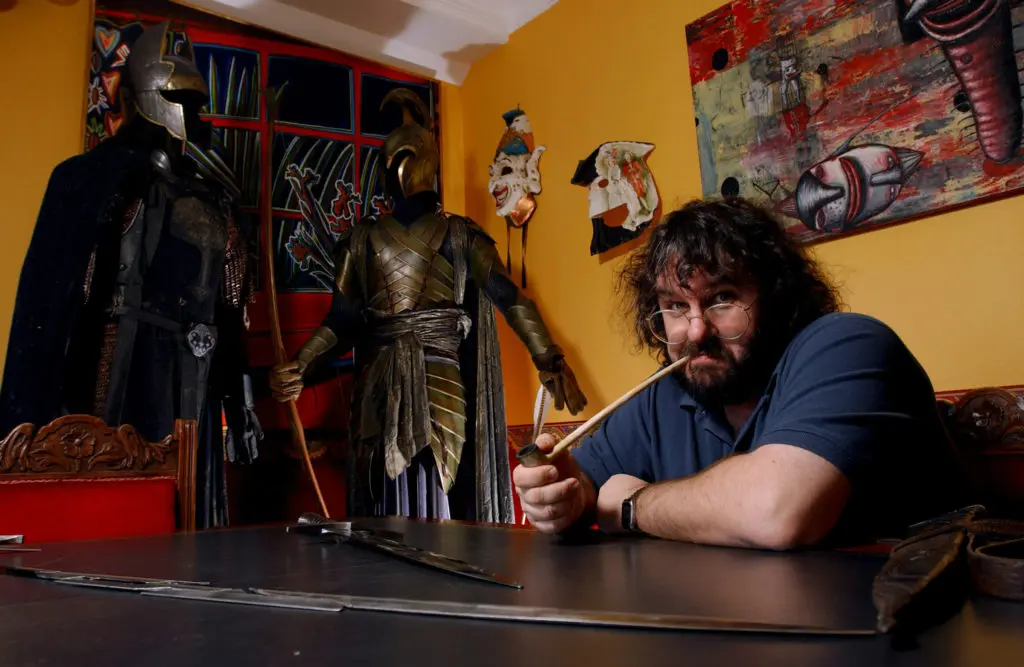
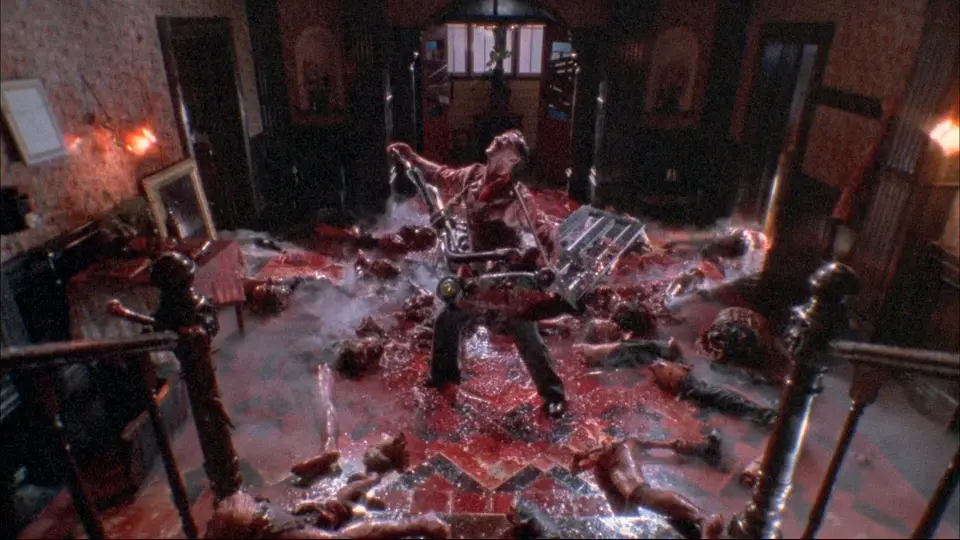
We all know Peter Jackson is famous for helming The Lord of the Ring franchise, but did you know that his debut film took four years to make with funds gathered from friends and family? Yep, that’s right, Jackson’s career opener Bad Taste is a horror comedy that has all the great horror film tropes. Shot on 16mm film, Bad Taste has gory practical effects with alien invaders disguised as humans, bumbling government agents and intergalactic battles. As a native New Zealander, Jackson shot Bad Taste in his home country, which would later become the set location for The Lord of the Rings trilogy. Jackson’s horror filmmaking chops don’t end with Bad Taste, in fact, his follow-up splatter film Dead Alive (1992) is what made him a horror legend. Splatter-genre fans love Dead Alive because it has one of the bloodiest scenes captured in film history. The blood-soaked lawnmower scene reported using 300 liters of fake blood. That’s enough blood to catapult Peter Jackson into the splatter-horror hall of fame.
Sam Raimi: From The Evil Dead to Spider-Man
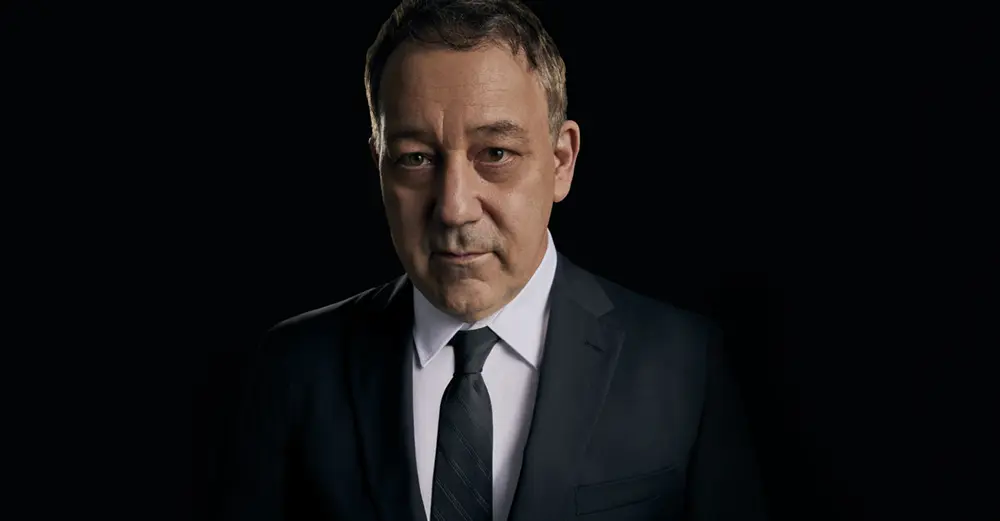
Alfred Hitchcock once said, “comedy and horror are Siamese twin genres, joined at the nervous laugh.” The king of comedy horror, Sam Raimi made a household name for himself with his love of violent physical humor. Raimi’s style is so unique and really took off with The Evil Dead franchise. With a total of four films and a TV series, The Evil Dead franchise has the right amount of gore and black humor to gain a cult following. He eventually went from low-budget genre filmmaking to commercial success with Spider-Man (2002). The superhero craze skyrocketed in the early 2000s, but rewatching Sam Raimi’s Spidey trilogy shows you that the master auteur kept his genre tricks up his sleeve to always keep audiences guessing.
“I always go for the clearest, most comprehensible way of telling the story, and then I think, ‘How can I complement this to make it a little more exciting, juice it a little?'”
Sam Raimi
Guillermo del Toro: A Career Built on Monsters and Horror
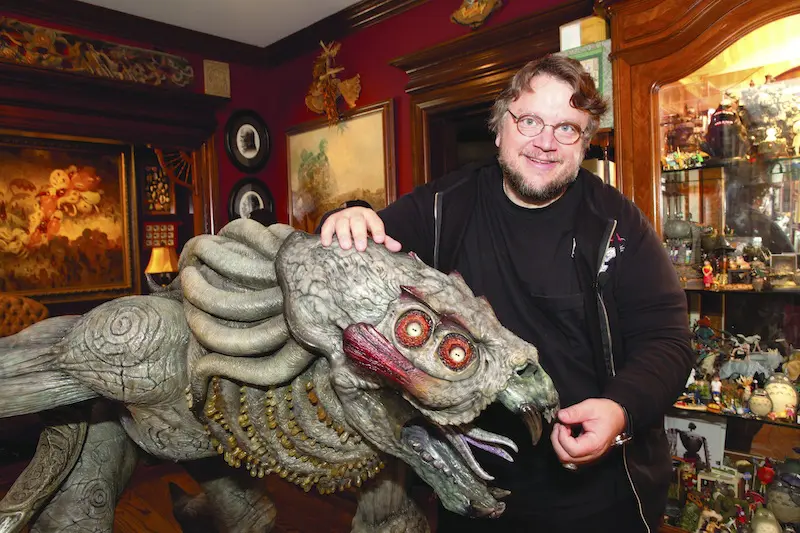
Guillermo Del Toro has an interesting film career that seems to oscillate between big-budget blockbusters like Pacific Rim (2013) and horror-themed comic-book movies such as Hellboy (2004) and Blade II (2002). Somewhere along his career, del Toro also explored the fantasy film world with Pans Labyrinth (2006) and The Shape of Water (2017). He has a strong grasp on both fairy tales and horror, which makes his storytelling style both poetic and haunting. Del Toro has always had a fascination with monsters, which he considers symbols of immense power and intrigue. Monster horror is a reoccurring theme in many of del Toro’s films, and he continues to push boundaries within the horror film genre. His latest project is an American horror anthology series called Cabinet of Curiosities. The Netflix series features eight unique horror stories and two of the episodes are co-written by del Toro himself.
David Lynch: From Eraserhead to Surrealist Icon

David Lynch made his directorial debut with the 1977 surrealist horror movie Eraserhead. Lynch practically had his hands in the entire filmmaking process as a producer, editor, writer and director for Eraserhead. He even created the movie’s score and sound design. Although it opened with little box office interest, Eraserhead was eventually selected by the Library of Congress for preservation in the U.S. National Film Registry for being “culturally, historically, or aesthetically significant.” That is quite an accomplishment for a horror filmmaker. Lynch followed up Eraserhead with a series of successful films—The Elephant Man (1980), Dune (1984), and Blue Velvet (1986). Blue Velvet is a seedy suburban thriller that earned Lynch his second Academy Award nomination for Best Director. Lynch is steadfast in his views that films representing life should be complex. Not only is Lynch recognized as one of the greatest filmmakers in modern history, but also the most original.
Every Great Director Started Somewhere
What these filmmakers have in common is simple: they started with a camera, a small budget, and a story they had to tell. Horror gave them room to experiment, and that first scrappy film became the foundation for everything after. You can start that same way. At The Los Angeles Film School, our Film program puts you behind the camera on real sets, and our Digital Filmmaking program delivers that same hands-on craft online, so you can start making work from anywhere. If the story is where you want to begin, our Writing for Film & TV program helps you build the scripts that get a first film made. Graduates have gone on to direct, shoot, and write across film and television.
Ready to direct your first film? Request information about our programs, or apply now and start building the career your favorite directors began with a single film.
Frequently Asked Questions: Famous Directors Who Got Started in Horror
Which famous directors got their start in horror?
Several major directors began in horror, including Kathryn Bigelow (Near Dark), Peter Jackson (Bad Taste and Dead Alive), Sam Raimi (The Evil Dead), and David Lynch (Eraserhead). Guillermo del Toro has made monsters and horror central to his career from the beginning. Each used the genre as a launchpad before moving into blockbusters, prestige dramas, and beyond.
Why do so many directors start out in horror?
Horror offers a rare combination of creative freedom and a low barrier to entry. It can be made on a small budget, it rewards inventive effects and storytelling over spectacle, and it lets new filmmakers take risks without the pressure of a major studio. For many directors, a first horror film is the most practical way to prove what they can do.
What was Peter Jackson’s first movie?
Peter Jackson’s first feature was Bad Taste, a low-budget horror comedy he shot on 16mm film over about four years with money from friends and family. He followed it with the splatter film Dead Alive (1992), which cemented his cult horror reputation before he went on to direct The Lord of the Rings.
What horror movie did Sam Raimi direct first?
Sam Raimi first made his name with The Evil Dead, a low-budget horror film that launched a franchise spanning four films and a television series. Known for its mix of gore and physical comedy, it built a cult following that paved the way for Raimi’s later blockbuster work on Spider-Man.
Was David Lynch’s first film a horror movie?
Yes. David Lynch’s feature directing debut was Eraserhead (1977), a surrealist horror film he wrote, directed, edited, and scored. Its unsettling atmosphere became a landmark of experimental cinema and was later selected for the National Film Registry, launching one of film’s most distinctive careers.
Why is horror a good genre for new filmmakers?
Horror is one of the most accessible genres for beginners because it can succeed on atmosphere, ideas, and craft rather than a big budget. It gives new directors space to experiment with effects, pacing, and tension, and its loyal audience means a strong low-budget film can find real success. Many celebrated directors prove the genre is an ideal training ground.
How can I learn to direct or write my own films?
The best way to start is by making films with hands-on guidance. At The Los Angeles Film School, the Film and Digital Filmmaking programs put you on set to direct, shoot, and edit your own work, while the Writing for Film & TV program focuses on the scripts and stories behind every project. Graduates have gone on to direct, shoot, and write across film and television.
