
Practical Effects for Horror: DIY Tricks for Indie Filmmakers
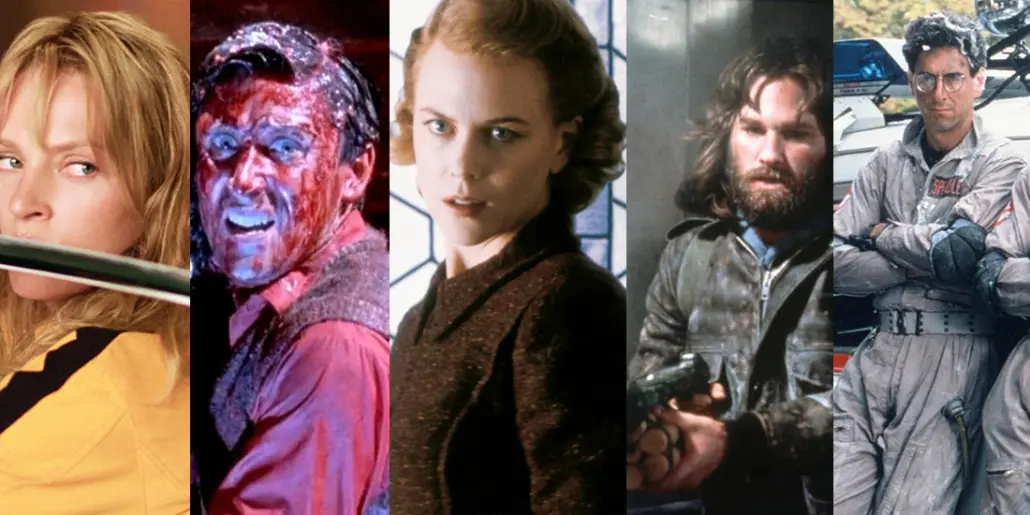
Think back to the heart-pounding, unforgettable chest-burster scene in Alien.
When that gruesome creature tears through Kane’s chest, it’s not CGI—it’s practical effects at their gory best.
This legendary moment in horror cinema was achieved using practical effects that made the scene feel disturbingly real.
For independent filmmakers, especially those venturing into horror, practical effects offer a hands-on, budget-friendly way to craft scenes that leave a lasting impression.
So how can you create jaw-dropping, memorable horror scenes without breaking the bank?
Let’s dive into a few tried-and-tested practical effects you can experiment with in your next indie horror project.
What are practical effects in film?
Practical effects, or special effects (SFX), are the real, tangible effects created on set that happen right before the camera.
Think makeup, animatronics, miniatures and even explosions that are filmed in real time.
Unlike visual effects, which are typically added in post-production, practical effects involve real-world materials and craftsmanship to bring a scene to life.
In horror, practical effects are particularly beloved because they give filmmakers a chance to create physical scares that feel more organic and immediate to both actors and audiences.
From gushing blood to creepy creatures, practical effects have been the cornerstone of some of the most iconic moments in film history.
Now let’s look at how you can recreate some of these effects on a budget:
1. Fake Blood
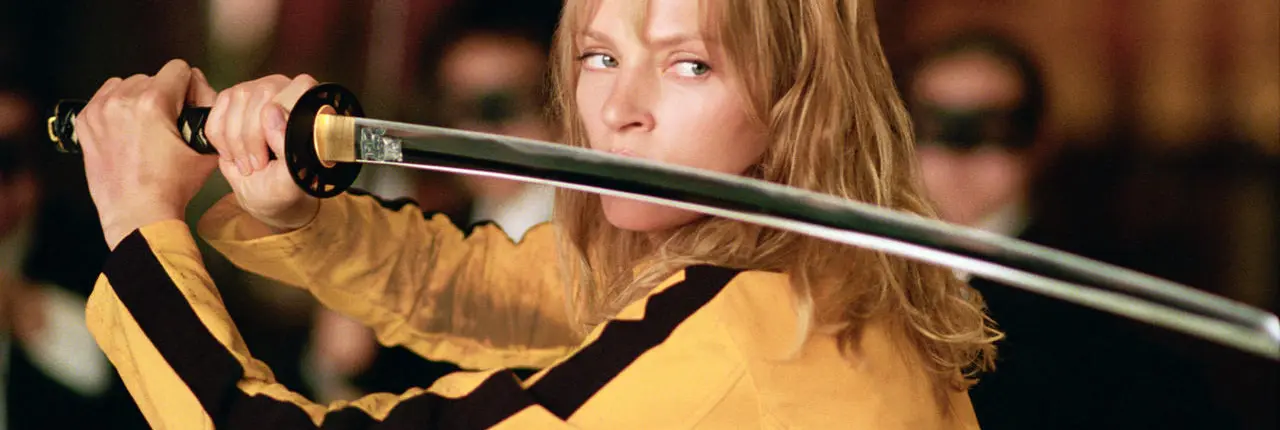
Whether it’s a subtle trickle or a full-on waterfall, fake blood adds a crucial shock factor to your scenes. And the best part? You don’t need expensive props to make convincing blood—just a few kitchen ingredients.
Real Movie Example
Quentin Tarantino’s Kill Bill series is a masterclass in the art of stylized violence, with fake blood playing a starring role in some of its most iconic scenes.
In Kill Bill: Volume 1, the legendary fight between The Bride and the Crazy 88 gang becomes a visual spectacle, largely due to the gallons of blood spraying across the screen. The fight is a blend of classic martial arts choreography and over-the-top gore, with practical effects amplifying the action.
Tarantino intentionally leaned into the exaggerated use of fake blood, taking inspiration from grindhouse cinema and samurai films. It wasn’t just for shock value—the continuous fountains of blood created a surreal and almost operatic feel, elevating the violence into a form of high art.
For indie filmmakers, Kill Bill is a perfect reminder that practical effects can transform a simple scene into something unforgettable, even when done on a modest budget.
Pro tip
Be mindful of staining! Some food coloring can be difficult to remove from skin or clothes. Use it sparingly if you’re not planning on a full-on bloodbath.
Check out this tutorial for a step-by-step guide on creating fake blood.
2. Fake Intestines
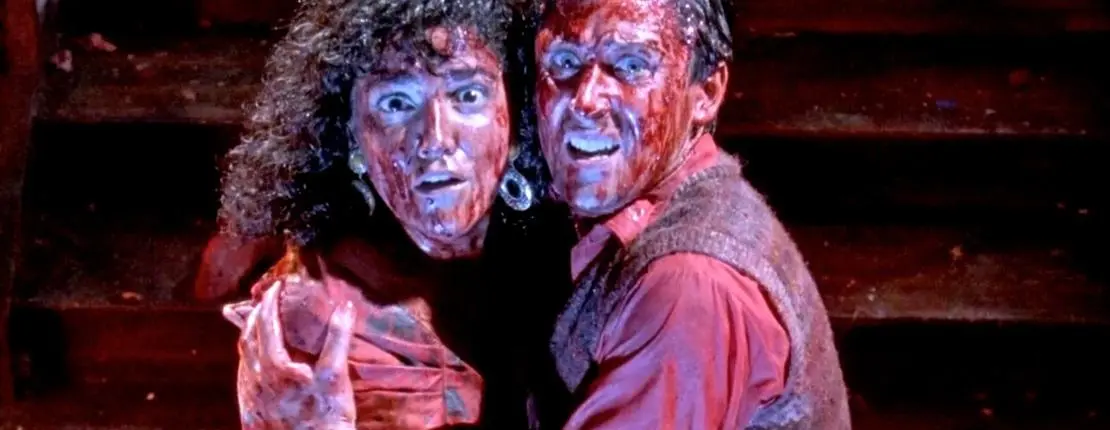
Few things gross out an audience like the sight of intestines spilling out of a body.
While this effect might seem daunting, it’s surprisingly simple to pull off with basic materials.
Real Movie Example
Peter Jackson’s Braindead (also known as Dead Alive) is a cult classic known for its wild, over-the-top gore, particularly in its use of fake intestines.
In one of the film’s most memorable scenes, Lionel, the protagonist, faces off against a zombified creature whose intestines come to life and attack him.
The intestines, made of latex and filled with slimy substances, slither and wriggle like sentient creatures—turning what could have been a gruesome moment into something hilariously grotesque.
Jackson’s team relied on practical effects and simple materials like latex, rubber tubing and fake blood to create this scene. The intestines were manipulated manually by the crew, adding to the absurdity and dark humor of the moment. Despite the film’s low budget, the practical effects helped Braindead stand out for its creativity and charm.
Pro tip
Keep your intestines flexible so they can move naturally on screen. You don’t want them to look stiff or plastic-like.
Follow this quick tutorial on how to make fake intestines.
3. Projector Ghosts
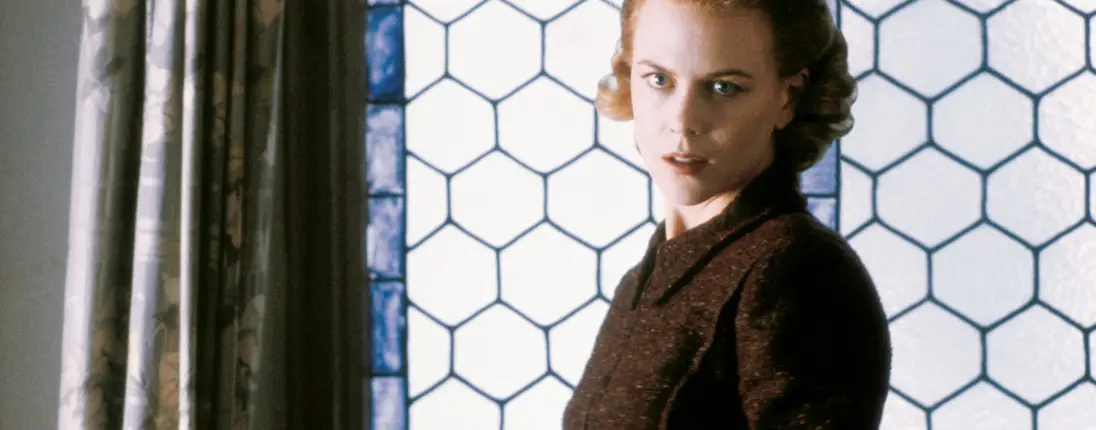
There’s something undeniably spooky about a ghostly apparition floating through a dark hallway. With a little creativity, you can achieve this classic effect using just a projector.
Real Movie Example
In The Others (2001), director Alejandro Amenábar keeps things subtle but spooky with some clever practical effects, including the use of projection techniques to bring ghostly figures to life.
One especially eerie moment shows these specters appearing thanks to projected images and carefully manipulated lighting, giving the impression that spirits are quietly lurking around the house. Instead of turning to CGI, Amenábar sticks with old-school tricks like rear projection and soft, controlled lighting to build the atmosphere.
This method lets ghostly figures fade in and out of sight, almost as if they’re part of the walls themselves. The result? A haunting presence that feels more real—and way creepier—than any computer-generated effect.
Pro tip
Play around with the opacity of your ghost visuals. This will make them appear even more ethereal and less solid.
Here’s a quick guide on how to create your own projector ghost.
4. Prosthetics
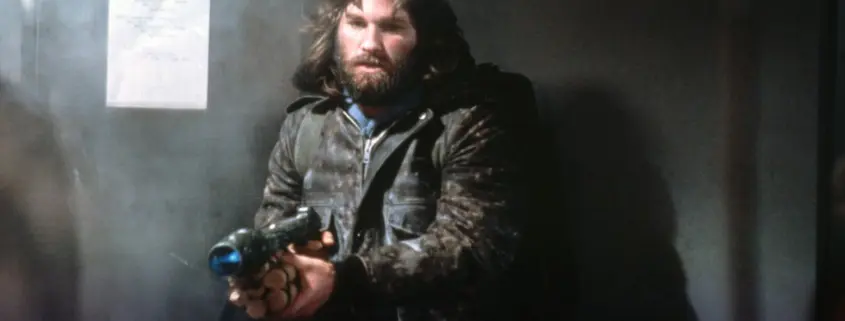
When it comes to transforming actors into terrifying monsters, creatures or zombies, prosthetics are your best friend.
While Hollywood productions use custom molds and expensive materials, you can achieve impressive results on a budget with some DIY skills.
Real Movie Example
John Carpenter’s The Thing (1982) is a fan favorite when it comes to practical effects, especially with its unforgettable creature transformations. The film’s prosthetics are still considered top-tier horror magic, showing just how powerful practical effects can be when it comes to creeping out an audience.
The grotesque and gooey alien mutations in The Thing feel disturbingly real, thanks to some seriously creative use of prosthetics, animatronics and good old-fashioned movie tricks. Even today, those transformations still give viewers chills, proving that sometimes practical effects can be even more unsettling than any CGI.
Pro tip
For more intricate designs, invest in silicone molds or pre-made prosthetics, which can be customized with makeup to suit your specific monster.
Learn how to create your own prosthetics in this two-part tutorial.
5. Ghostbusters Slime
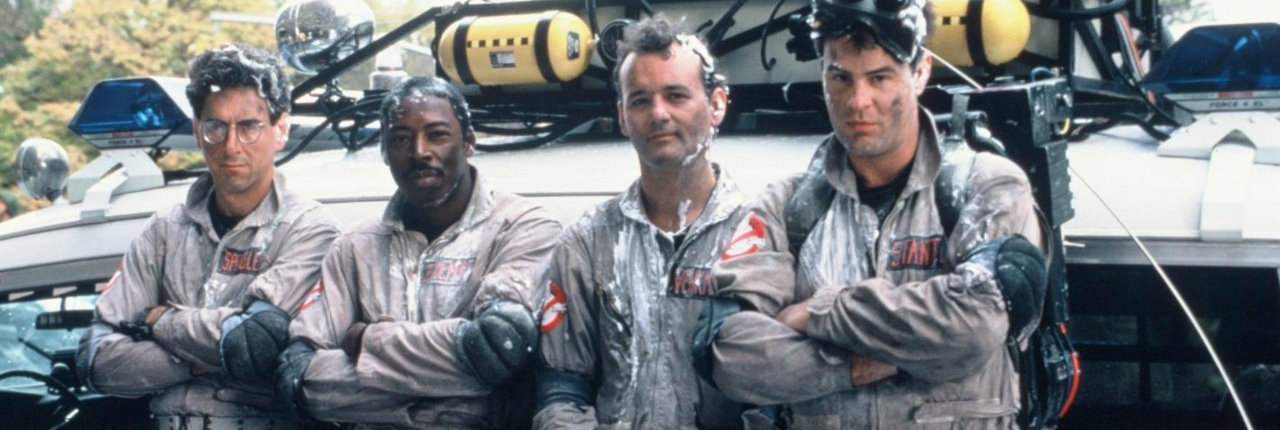
Slime has been a staple in supernatural and sci-fi horror since Ghostbusters made it iconic. Whether you want to recreate the look of something slimy oozing out of the walls or a character covered in goo, slime is easy to make and adds a wonderfully icky element to your scenes.
Real Movie Example
In Ghostbusters (1984), the ectoplasm—better known as “slime”—is practically a character all on its own. This gooey green substance shows up in several scenes, adding a mix of comedy and creepiness to the action.
Whether it’s dripping from ceilings or covering the Ghostbusters after a run-in with a spook, the slime is a perfect example of how practical effects can bring a little fun (and grossness) to a movie.
Pro tip
For an even more authentic Ghostbusters vibe, let the slime drip slowly down walls or onto characters. This ensures you capture that oozy, unpredictable motion on camera.
Check out this tutorial to make your own Ghostbusters slime.
Learn the Magic (and the Mayhem) of Filmmaking
Whether it’s buckets of blood, wriggling latex intestines, or a ghost flickering down a darkened hallway, practical effects prove you don’t need a Hollywood budget to deliver real scares. All it takes is creativity, craftsmanship, and the know-how to pull it off on camera. The best horror filmmakers master both the physical and digital sides of the craft, knowing exactly when a practical effect will land harder than CGI.
That’s the kind of hands-on skill you’ll build at The L.A. Film School. Explore our Film Program to learn filmmaking from set to screen, or our Visual Effects Program to master the digital artistry that complements what happens in front of the lens.
Request Info to explore our programs, or Apply Now and let’s bring your wildest cinematic dreams (or nightmares) to life.
FAQs: Practical Effects for Horror
1. What are practical effects in film?
Practical effects, also called special effects or SFX, are real, tangible effects created on set, right in front of the camera. Think makeup, animatronics, miniatures, and real-time explosions. Unlike visual effects, which are usually added in post-production, practical effects rely on physical materials and hands-on craftsmanship to bring a scene to life.
2. How are practical effects different from visual effects (VFX)?
The main difference is when and how they’re made. Practical effects happen live on set using real-world materials, while visual effects are typically created digitally in post-production. Many films blend both, and one of a filmmaker’s most valuable skills is knowing which approach will sell a moment most convincingly.
3. Why do horror filmmakers love practical effects so much?
Horror thrives on scares that feel organic and immediate. Because practical effects physically exist on set, they often read as more real to both actors and audiences, creating a visceral reaction that’s hard to fake. Iconic moments like the chest-burster in Alien and the creature transformations in The Thing still unsettle viewers decades later, proving practical effects can be even more disturbing than CGI.
4. Can you really create good practical effects on a low budget?
Absolutely, and that’s exactly why they’re a go-to for indie filmmakers. Many classic effects use cheap, accessible materials: fake blood can be mixed from kitchen ingredients, fake intestines from latex and rubber tubing, and ghostly apparitions from nothing more than a projector and careful lighting. Peter Jackson’s low-budget Braindead is a perfect example of creativity beating cash.
5. What are some beginner-friendly practical effects to try first?
The article highlights five approachable effects: fake blood (great for shock and stylized violence, à la Kill Bill), fake intestines (latex plus a slimy filler), projector ghosts (using projection and lighting like The Others), prosthetics (for monsters and zombies, The Thing–style), and Ghostbusters-inspired slime. Each is achievable with basic materials and a little experimentation.
6. Any tips for making these effects look more convincing on camera?
A few from the article: use fake blood sparingly if staining is a concern, keep fake intestines flexible so they move naturally instead of looking stiff, play with the opacity of projected ghosts to make them more ethereal, invest in silicone or pre-made prosthetics for intricate creature designs, and let slime drip slowly to capture that oozy, unpredictable motion.
7. Where can I learn to do this professionally?
While DIY tutorials are a great starting point, formal training helps you master both the physical and digital sides of effects work. The L.A. Film School’s Film and Visual Effects programs teach the craft of bringing cinematic scares and spectacle to life, from on-set practical techniques to post-production VFX.
