
Maximizing Your Music Royalties: A Step-By-Step Guide
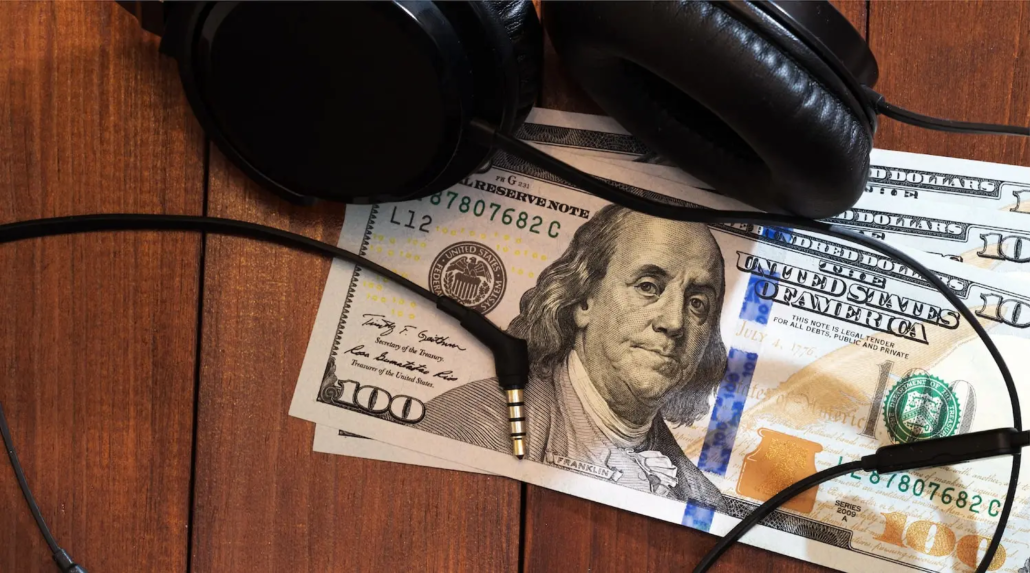
Every time your favorite track hits the radio, streams on Spotify or cranks up the intensity of a movie scene, it’s not just a vibe—it’s a paycheck.
With global recorded music revenues reaching a mighty $28.6 billion in 2023, music royalties are how the industry makes sure artists, producers and rights holders get what they’re owed.
It’s the business side of the beat, and it’s as crucial as the music itself.
If you’re an artist, producer or songwriter trying to carve your space in the industry, it’s vital that you get your head around how royalties work.
From the royalties you earn to the ones you might not even know you’re missing, we’re breaking it all down: what they are, how they work and how to cash in on what’s yours in an industry that never stops changing.
What Are Music Royalties?
Music royalties make sure that creatives are fairly compensated for their work. These payments go to rights holders—such as songwriters, artists, publishers and producers—whenever their music is used commercially.
Whether it’s streaming on Spotify, playing on the radio or enhancing a scene in a film, royalties make sure that the people who write, compose and produce music are rewarded for their efforts, making it possible for them to keep creating the songs we love.
Types of Music Royalties
Mechanical royalties
Mechanical royalties are earned whenever a song is reproduced, either digitally or physically.
This applies to formats like streaming on Spotify, downloading from iTunes or selling CDs and vinyl. These royalties go directly to songwriters and publishers, not to performing artists.
In the U.S., rates for digital streams and downloads are often set by the government, while for physical formats, they can be negotiated between publishers and labels.
For example, every time someone purchases your song on iTunes, a portion of that revenue is paid to you as mechanical royalties.
Performance royalties
Performance royalties are earned whenever your music is performed or played publicly.
This includes concerts, radio airplay, TV broadcasts or even as background music in a café. Performing Rights Organizations (PROs) like ASCAP, BMI and SESAC handle the tracking and distribution of these royalties, making sure that songwriters and publishers receive payment for their work.
So, whether your track is played during a live concert or sets the tone for a TV episode, performance royalties make sure you’re paid for its use.
Sync royalties
Sync royalties are earned when music is licensed for use in visual media like movies, TV shows, advertisements or video games. These royalties often include an upfront licensing fee in addition to ongoing payments, making sync deals a valuable income stream.
For example, if your song is featured in a movie trailer or a commercial, you’ll earn a sync royalty, along with greater exposure to new audiences.
Digital performance royalties
Digital performance royalties apply specifically to digital platforms like Pandora and SiriusXM. Unlike other royalties, these are paid to featured artists and the holders of sound recording copyrights, such as record labels, rather than to songwriters and publishers.
If your song is played on a digital streaming service like Pandora, you’ll earn digital performance royalties. These payments are calculated based on the number of streams or plays and are typically higher on subscription-based services than on ad-supported platforms.
Print royalties
Print royalties are earned from the sale of sheet music. While less common today, they remain an important income source for some songwriters and publishers, especially in classical and niche genres.
For example, if a school choir buys sheet music for your composition, you’ll earn a print royalty from the sale.
How are Music Royalties Calculated?
Royalty calculations can be complex and depend on various factors, including the platform, usage type and geographical location.
Streaming platforms like Spotify calculate payouts based on the number of times your song is streamed relative to all other songs on the platform. Subscription-based services generally pay higher rates per stream compared to ad-supported ones.
The type of usage also plays a big role. A sync deal for a commercial or blockbuster film will typically bring in more revenue than a single stream on a music platform. Additionally, rates can vary by country, and artists with well-negotiated contracts often secure better terms.
How to Maximize Your Royalties (and Overcome Common Challenges)
Maximizing your royalties is all part of managing the business side of your career with a solid strategy—and collecting every dollar you’re entitled to.
But let’s be real: Collecting royalties isn’t always straightforward.
Challenges like incomplete registrations, international complexities and lack of transparency can make the process tricky. With the right approach though, you can overcome these obstacles and make the most of your music earnings.
Here’s how:
Register your work properly
Missing or incorrect metadata is one of the most common reasons for lost royalties.
To avoid this, register every song with detailed and accurate information. Sign up with a Performing Rights Organization (PRO) like ASCAP or BMI to collect performance royalties, and use publishing administration services like Songtrust to streamline global collection, making sure you don’t miss out on international revenue.
Track your music usage
Keeping tabs on where and how your music is being used is essential. Tools like SoundExchange can help you monitor streams and radio plays, while maintaining detailed records of live performances, sync placements and other usages will make sure you capture all potential royalties. If tracking feels overwhelming, consider investing in tools that aggregate data from multiple sources to make the process easier.
Understand your rights
Lack of transparency from platforms and unclear contract terms can leave you in the dark about your earnings.
Carefully review contracts, especially for licensing and label deals, and consult with a music lawyer to negotiate better terms. This will help you avoid common pitfalls and secure the best possible agreements for your music.
Address international collection issues
Navigating royalties across multiple countries can be challenging due to varying rules, collection societies and systems. Partner with publishing administration services that specialize in international collections to make sure you don’t miss out on revenue from global plays and performances.
Stay proactive and informed
The music industry is a changing beast and staying ahead requires effort.
Monitor your earnings regularly, make sure your registrations are up to date and don’t hesitate to seek professional advice when needed. By staying proactive, you can navigate the complexities of royalty collection and maximize your income.
With a clear strategy, the right tools and a commitment to staying on top of the details, you can turn challenges into opportunities and make sure your hard work pays off—literally.
The Future of Music Royalties
New technologies are always looming, promising to streamline and improve the process.
Blockchain technology, for example, offers greater transparency and accuracy in tracking and distributing royalties, while AI tools can help identify unauthorized use of music more effectively.
Direct-to-fan platforms are also gaining traction, providing artists with new ways to monetize their music without relying on traditional intermediaries.
Understanding how they work and staying proactive about managing your earnings can help you secure a thriving future in the industry.
Ready to take your career to the next level? Explore The Los Angeles Film School’s programs and discover how you can take the next step in your music journey.
Master the Music and the Business Behind It
Every stream, spin, and sync placement is more than a vibe; it’s a paycheck. And the artists and producers who thrive long-term are the ones who understand both the creative side of the beat and the business that pays for it. Knowing how royalties work is how you make sure your hard work actually pays off.
At The L.A. Film School, our Music Production program gives you hands-on training in the craft of making music, plus the industry awareness to build a sustainable career around it. Explore the program on campus or online to find the path that fits your goals. And if the business side of the industry is what excites you most, our online Music Business program dives deep into royalties, licensing, and the strategy behind a lasting career in music.
Request Info to explore our programs, or Apply Now and take the next step in your music journey.
FAQs: Maximizing Your Music Royalties
1. What are music royalties?
Music royalties are payments that make sure creatives are fairly compensated whenever their music is used commercially. They go to rights holders, such as songwriters, artists, publishers, and producers, whenever a track is streamed on Spotify, played on the radio, or used to enhance a scene in a film. In short, they’re what allow the people who write, compose, and produce music to keep creating.
2. What are the main types of music royalties?
There are five key types. Mechanical royalties are earned when a song is reproduced digitally or physically (streams, downloads, CDs, vinyl) and go to songwriters and publishers. Performance royalties come from public performance or airplay, tracked by PROs like ASCAP, BMI, and SESAC. Sync royalties are earned when music is licensed for visual media like film, TV, ads, or games. Digital performance royalties apply to platforms like Pandora and SiriusXM and go to featured artists and sound recording copyright holders. And print royalties come from the sale of sheet music.
3. What’s the difference between performance royalties and digital performance royalties?
They cover different uses and pay different people. Performance royalties are earned whenever music is performed or played publicly, from concerts and radio to TV broadcasts and café background music, and are distributed to songwriters and publishers through PROs. Digital performance royalties apply specifically to digital platforms like Pandora and SiriusXM, and instead go to featured artists and the holders of sound recording copyrights, such as record labels.
4. How are music royalties calculated?
It depends on several factors, including the platform, the type of usage, and geographical location. Streaming services like Spotify calculate payouts based on how many times your song is streamed relative to all other songs, and subscription-based services generally pay more per stream than ad-supported ones. Usage type matters too: a sync deal for a commercial or blockbuster film typically earns far more than a single stream. Rates also vary by country, and well-negotiated contracts often secure better terms.
5. How can I make sure I’m collecting all the royalties I’m owed?
Start by registering every song properly, since missing or incorrect metadata is one of the most common reasons for lost royalties. Sign up with a PRO like ASCAP or BMI, and use publishing administration services like Songtrust for global collection. Track your usage with tools like SoundExchange, keep detailed records of performances and placements, understand your rights by reviewing contracts carefully (ideally with a music lawyer), and address international collection through services that specialize in it.
6. Why is collecting royalties often so difficult?
Several challenges get in the way. Incomplete or inaccurate registrations can cause you to miss payments entirely. International collection is complex because rules, collection societies, and systems vary by country. And a lack of transparency from platforms, along with unclear contract terms, can leave you unsure of what you’ve actually earned. Staying proactive, keeping registrations current, and seeking professional advice help you turn these obstacles into opportunities.
7. How might music royalties change in the future?
New technologies are poised to reshape the process. Blockchain offers greater transparency and accuracy in tracking and distributing royalties, while AI tools can help identify unauthorized use of music more effectively. Direct-to-fan platforms are also gaining traction, giving artists new ways to monetize their work without relying on traditional intermediaries. Understanding these shifts and staying proactive can help you build a thriving, future-ready career.
