
What Comic-Con Teaches Writers About Adaptation, Fandom, and Worldbuilding
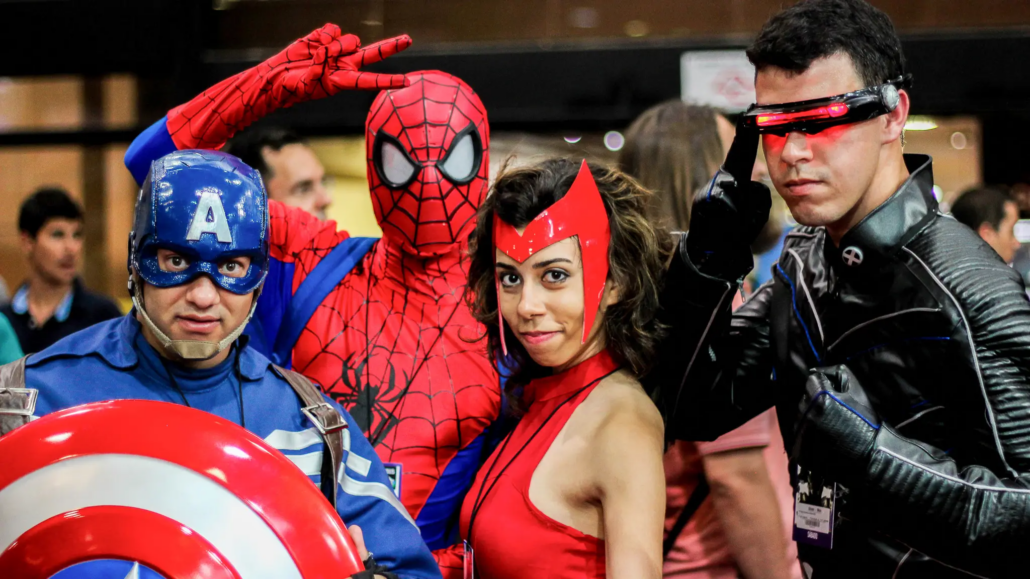
Every summer, thousands of people wait in line for six hours, put on capes, and scream when a panel moderator says a title out loud before the trailer even starts. It looks like spectacle. It’s actually one of the better classrooms in the industry. Comic-Con isn’t just about costumes, it’s about the mechanics of fandom, adaptation, and worldbuilding, on display in real time, with the audience reacting live and unfiltered. For writers, that’s the whole curriculum.
Comic-Con as a Storytelling Ecosystem
Every panel, trailer drop, and fan reaction is a small experiment in audience engagement. Studios test footage in that room because the room tells the truth immediately: silence, applause, or the specific groan reserved for a bad recast. Writers who pay attention aren’t there for the swag, they’re studying the one moment in the promotional cycle where the audience’s reaction is still raw.
The Art of Adaptation: Translating IP Across Formats
What Makes a Faithful Adaptation Work
Faithful doesn’t mean literal. A faithful adaptation understands why the source material mattered, then protects that thing through the format change. The Writers Guild’s list of the 101 greatest screenplays of the century includes plenty of adaptations that took real liberties with their source material and still got it right. A comic book adaptation that copies panels shot for shot but misses the tone has technically adapted nothing.
Knowing What to Keep, Cut, and Reinvent
Every format has different tolerances. A twenty-issue arc becomes a two-hour film only when a writer decides, ruthlessly, what the story is actually about. Keep the theme. Cut the subplot that only worked in serialized form. Reinvent whatever the new format demands.
Worldbuilding That Holds Up Under Scrutiny
Building Internal Logic and Consistent Rules
Fans find the plot hole. All of them, within hours, usually before the panel even ends. Internal logic isn’t a nice-to-have. It’s what lets an audience trust a world enough to live in it for a decade of sequels.
Creating Worlds Big Enough to Explore
Good worldbuilding for writers isn’t about inventing every detail up front. It’s building a foundation sturdy enough that new stories can grow out of it without contradicting what came before.
Writing for Fandom Without Writing to the Fans
Understanding Fan Expectations and Investment
Fan expectations come from genuine investment: hours spent, theories built, character arcs tracked across years. Writers who dismiss that as noise are ignoring the most engaged audience research available for free.
Balancing Surprise With Satisfaction
The job isn’t to give fans exactly what they asked for. It’s to give them something that recontextualizes what they already loved. Surprise without betrayal, satisfaction without predictability.
Transmedia Storytelling: Stories That Live Across Formats
Designing Narratives for Film, TV, Comics, and Games
Transmedia storytelling asks a harder question than any single format does on its own: what can this platform do that the others can’t? A game lets a player make the choice a film can only show. Video game writing lives or dies on that distinction.
Keeping a Story Coherent Across Platforms
Narrative consistency across a franchise isn’t glamorous work, but it’s the difference between a universe and a mess. Somebody has to hold the internal logic steady while five other writers build five other pieces of it.
Character as the Anchor of Any Franchise
Why Memorable Characters Outlast Plotlines
Plots get forgotten. Characters get cosplayed. Twenty years later, nobody remembers the villain’s plan, but they remember exactly how the hero felt about losing.
Writing Characters Fans Want to Follow
Plot and character work together, but character is what earns the follow-through. Fans return to franchises for people, not premises.
Lessons from Comic-Con Panels for Aspiring Writers
How Working Writers Talk About Their Craft
Sit through enough panels and a pattern shows up. Working writers talk about story structure and character development the way carpenters talk about joints: practical, specific, no mystique attached.
Reading the Room: What Audiences Respond To
The audience doesn’t clap for cleverness. They clap for recognition, the moment a story shows them something true about a character they already love.
Why These Skills Matter for the Modern Writer
The Demand for Writers Who Understand IP
Studios and streamers aren’t generating as much original intellectual property as they used to. They’re mining what already exists. That shift has changed what the industry values in a writer: fluency in adaptation writing and franchise development, not just a strong original voice.
Career Paths in Adaptation and Franchise Writing
Screenwriting careers increasingly intersect with existing IP: comic adaptations, game tie-ins, expanded universes. Knowing how to adapt a story used to be a specialty. Now it’s closer to a baseline expectation across the industry.
How LA Film School Prepares Writers for an IP-Driven Industry
Hands-On Training in Story, Structure, and Adaptation
In the Writing for Film & TV program, students work through story structure, character development, and adaptation writing the way working writers actually do it: draft, table read, revise, repeat. Genre conventions get studied first, then broken on purpose.
Conclusion
Comic-Con is loud, chaotic, and easy to write off as fan spectacle. Underneath it is a working demonstration of what makes stories survive: worldbuilding that holds up, characters people can’t quit, and formats that know exactly what they’re for. Writers who study that instead of just attending it walk away with sharper instincts than the ones who just came for the panels.
FAQs: What Comic-Con Teaches Writers About Adaptation, Fandom, and Worldbuilding
What can writers learn from Comic-Con?
How stories actually land with an audience. Panels, trailer reactions, and fan Q&As show what’s working in adaptation and worldbuilding before a single review gets published.
What does adaptation mean in writing?
Translating existing material, a comic, novel, or game, into a new format. It means deciding what to preserve, what to change, and what the new format needs to work on its own terms.
Why is worldbuilding important for writers?
It’s what keeps an audience immersed. A world with internal logic and clear rules can support new stories for years without contradicting itself.
How do writers balance fan expectations with original storytelling?
By understanding what fans love about a property without being boxed in by it. The goal is a story that feels earned, not one that just delivers a checklist.
What is transmedia storytelling?
Telling one story across multiple platforms, film, television, comics, games, where each format adds something the others can’t. It takes planning to keep it coherent.
Is adaptation and franchise writing a viable career path?
Yes. As studios lean harder on established IP, writers who can adapt source material and expand fictional worlds are in real demand across film, television, and games.
Ready to build those instincts on purpose? The LA Film School’s Writing for Film & TV program trains writers in story, structure, and adaptation, on campus and online.
Explore the program → | Request info → | Apply now →
