
From Mystery Boxes To Fake Leaks: Film Marketing At Its Boldest And Best
Update September 16th, 2026.
Have you ever been tricked into seeing a movie?
And no, we don’t mean being led into a cinema under the guise of a hot new restaurant—we mean lured in by a stunt, rumor or viral moment that makes you think ‘Wow, I NEED to see what this is all about’?
If so, then you’ve experienced the magic of innovative film marketing.
It’s no secret that Hollywood has always thrived on buzz.
There was a time, long before teaser trailers dropped on Instagram or influencers promoted new films on TikTok, when filmmakers experimented with new and exciting ways to catch audiences’ attention (and get them into theatres).
Some of those experiments became legendary campaigns. Campaigns that forever changed the playbook for movie marketing.
So let’s dive into some of the wildest and most influential examples of smart movie marketing magic and discover why they worked so well.
Who Was William Castle and How Did His Movie Gimmicks Work?
William Castle was a 1950s and ’60s director who turned ordinary horror screenings into can’t-miss events using outrageous in-theater gimmicks, and his showmanship rewrote the movie marketing playbook. Coming from a theatre background, Castle had built a reputation for popular B-movies delivered on time and under budget, but he wanted to make a bigger impact. He knew that making a horror movie wasn’t enough; you had to make it an event.
“Emergo”
In 1959, Castle released his supernatural horror film House on Haunted Hill. What the audience didn’t know was that, as the suspense built to its peak and the apparently ghostly skeleton appeared on screen, Castle had a full-size skeleton suddenly emerge from behind the screen and swoop down over the audience on wires.
The pure shock of seeing a ghostly figure hovering above them sent people shrieking.
“Percepto”
For Castle’s next film, The Tingler (also released in 1959), he secretly rigged the audience’s seats with small vibrating devices.
Then, just as the monster attacked on screen, the seats buzzed into life. Moviegoers gasped. Some nearly jumped out of their seats. The surprise blurred the line between watching a horror film and being trapped inside one.
It might sound cheesy today, but at the time, audiences loved both tricks. And for Castle, it launched him into turning simple screenings into experiential spectacles.
All of this led him to one important lesson.
Sell the experience, not just the movie.
How Did the Blair Witch Project Marketing Campaign Work?
Speaking of experiences, let’s fast-forward to 1999.
The Blair Witch Project went way beyond just a horror film—it went as far as convincing people it might be real.
The filmmakers pushed the “based on a true story” angle. They built a stripped-down website packed with fake police reports and missing-person flyers. And with this being the early wild-west days of the internet, the result was people not knowing if this was fact or fiction.
And boy did it pay off. A $60,000 indie film that turned into a $250 million blockbuster.
It proved that with the right mystery and impeccable timing, you don’t need a big budget to create a big movie.
What Was the Cloverfield “Mystery Box” Marketing Strategy?
When the first trailer hit for Cloverfield in 2007, it took a big and near-unprecedented risk:
It didn’t show the movie’s title.
It was just shaky, handheld footage of a New York party interrupted by chaos, ending with the Statue of Liberty’s head crashing down into the street.
Audiences were left asking, ‘What is this movie?!’.
Director J.J. Abrams leaned into secrecy. He created a “mystery box” marketing style—fake websites, cryptic clues and a slow drip of information fueled speculation. But, by withholding the key details, Cloverfield made curiosity itself the campaign.
How Did the Leaked Deadpool Test Footage Get the Movie Made?
Sometimes the best marketing is a “mistake”.
You’ve seen it before, a celebrity lets slip on a chat show about a plot twist, someone “accidentally” tweets a picture of a surprise guest—it gets people talking.
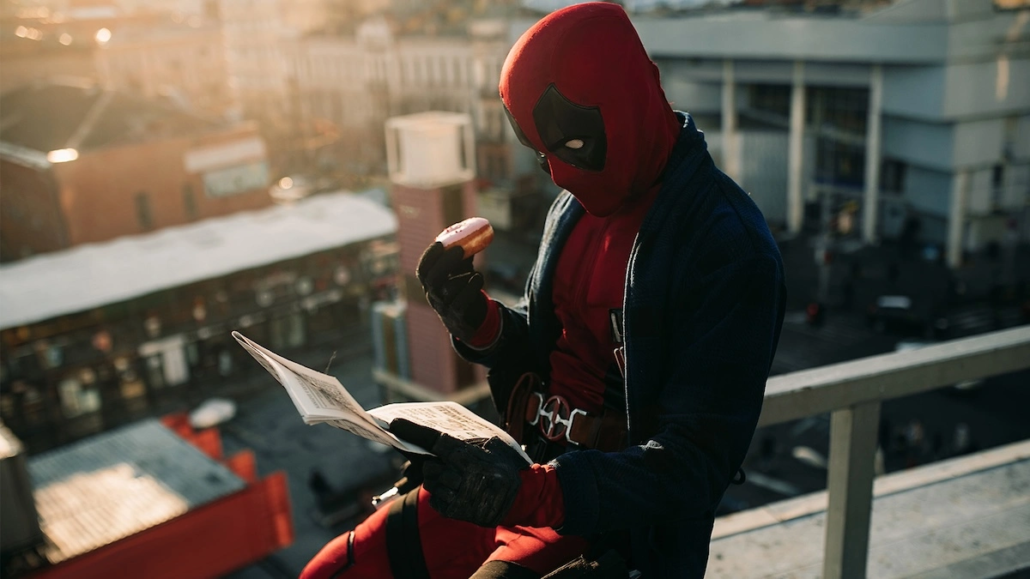
When test footage of Ryan Reynolds as Deadpool leaked online in 2014, the fan reaction was so overwhelming that the studio greenlit the film.
Once in production, the campaign doubled down on irreverence. From cheeky Valentine’s Day posters to NSFW trailers and hilarious social media interactions, Deadpool marketed itself exactly like its titular character would.
Self-aware, raunchy and impossible to ignore.
The lesson we learned here is that when marketing matches the movie’s personality, it actually doesn’t feel like marketing at all.
How Did Ex Machina Use Tinder to Market the Film at SXSW?
In 2015, filmgoers at SXSW found themselves swiping away on Tinder—only to find that they’d matched with Ava, a chatbot posing as Alicia Vikander’s android character from Ex Machina.
After a brief chat with “Ava”, users were sent to an Instagram profile teasing the film.
The stunt was playful, unsettling and matched the movie’s theme of blurring the line between human and machine. By showing up right inside dating apps, the campaign met audiences on their own turf—and made fiction feel uncomfortably real.
How Did Paranormal Activity Use Audience Demand to Build Buzz?
Before it became a massive franchise, Paranormal Activity built a whole lot of buzz through an innovative idea.
Instead of just showing people footage from the film, they showed night-vision footage of real audiences watching the film and their horrified reactions. The hook wasn’t the film—it was other people’s terrified reactions.
To push it further, the filmmakers launched an online petition. Fans could “demand” the movie come to their city—creating a sense of grassroots ownership that made audiences feel like they were part of the movement.
Demand created momentum, and momentum created a horror juggernaut.
How Did the 2013 Carrie Remake’s Coffee Shop Prank Go Viral?
We’re in the era of the remake, but even an old dog can learn new tricks.
For the 2013 Carrie remake, a New York coffee shop staged an elaborate prank.
Hidden actors and rigged furniture created the illusion of a young woman losing control of her telekinetic powers on unsuspecting customers—tables rattled, books flew off shelves and coffee cups slipped across counters as hidden wires and hydraulics sold the chaos.
The video of panicked patrons ended up going viral on YouTube—and within weeks, it had racked up millions of views and got people talking.
It was a reminder that Stephen King’s story still carried shock value—even decades later.
Why Do These Film Marketing Strategies Work?
These strategies work because they extend a film’s storytelling into real life, connecting with people in unexpected ways rather than relying on trailers and posters alone. Looking across the campaigns, four common threads emerge.
- Mystery is magnetic: From Blair Witch blurring fact and fiction to Cloverfield staying silent, curiosity keeps the conversation alive.
- Participation matters: William Castle’s stunts, Paranormal Activity’s “demand it” campaign—audiences want to be part of the story.
- Authenticity wins: Deadpool didn’t just throw out a trailer. They leaned into the personality and extended the character’s voice into the real world.
- Relevance rules: Ex Machina’s Tinder stunt worked because it tapped into the tech anxieties of its time.
In short, the best film marketing extends the storytelling into real life. It connects with people in unexpected ways, not just through the classic medium of trailers and posters.
It’s being imaginative and thinking outside of the box that really creates that all-important Hollywood buzz.
Where Can You Learn Film Marketing and Entertainment Business?
Film marketing is as much about creativity as filmmaking itself. It’s about understanding your audience, shaping perception, and building anticipation in ways that go far beyond a traditional trailer. The bold campaigns above worked because the people behind them understood both sides of the screen — how a story is made, and how it’s sold.
At The L.A. Film School, we explore both. Our Film program dives into the art and craft of production, while our Entertainment Business program breaks down the strategies that power the industry, from distribution to the kind of inventive campaigns you just read about. Prefer to learn from anywhere in the world? Explore our online Digital Filmmaking and online Entertainment Business programs.
Because in Hollywood, making the movie is only half the story. How you share it with the world is the rest.
Request Info to explore our programs, or Apply Now and start learning how to create your own Hollywood buzz.
FAQs: Innovative Film Marketing Strategies
What is innovative film marketing?
Innovative film marketing is the use of creative, unconventional campaigns — stunts, viral moments, interactive experiences, and strategic mystery — to build buzz and draw audiences to a movie. Rather than relying only on trailers and posters, it extends a film’s storytelling into the real world, connecting with people in unexpected ways that make them feel they simply have to see what all the fuss is about.
Who was William Castle, and why is he important to movie marketing?
William Castle was a 1950s and ’60s director who turned B-movie screenings into live events through outrageous in-theater gimmicks. For House on Haunted Hill (1959) he flew a plastic skeleton over the audience on wires (“Emergo”), and for The Tingler he wired seats with buzzers (“Percepto”). His core lesson still shapes marketing today: sell the experience, not just the movie.
How did The Blair Witch Project marketing campaign work?
The Blair Witch Project (1999) leaned hard into a “based on a true story” angle. The filmmakers built a bare-bones website filled with fake police reports and missing-person flyers, and in the early days of the internet, many people genuinely couldn’t tell whether it was fact or fiction. That mystery helped turn a roughly $60,000 indie film into a $250 million box-office phenomenon.
What was the Cloverfield “mystery box” marketing strategy?
When the first Cloverfield trailer appeared in 2007, it took the near-unprecedented risk of not showing the film’s title — just shaky handheld footage of a party interrupted by chaos and the Statue of Liberty’s head crashing into the street. Director J.J. Abrams fueled the gap with fake websites and cryptic clues, making curiosity itself the campaign.
How did the leaked Deadpool test footage help get the movie made?
When test footage of Ryan Reynolds as Deadpool leaked online in 2014, fan reaction was so overwhelming that the studio greenlit the film. The campaign then doubled down on the character’s irreverent personality with cheeky posters, NSFW trailers, and self-aware social media. The takeaway: when marketing matches a movie’s personality, it barely feels like marketing at all.
How did Ex Machina market itself on Tinder?
At SXSW in 2015, festivalgoers on Tinder matched with “Ava” — a chatbot posing as Alicia Vikander’s android character from Ex Machina. After a short conversation, users were directed to an Instagram profile teasing the film. The stunt perfectly mirrored the movie’s theme of blurring the line between human and machine, meeting audiences on their own turf and making fiction feel unsettlingly real.
What makes a film marketing campaign go viral?
Across the most successful campaigns, a few common threads stand out: mystery is magnetic (curiosity keeps people talking), participation matters (audiences want to feel part of the story, as with Paranormal Activity’s “demand it” petition), authenticity wins (matching the tone of the film, like Deadpool), and relevance rules (tapping into the cultural moment, as Ex Machina did with tech anxiety). The best campaigns extend the story into real life.
