
5 Films to Train Your Attention Span
Updated September 17th, 2026.
We hear it all the time: our attention spans are shrinking.
You may have first heard the sentiment when you were glued to your TV as a kid. Or when you were caught doodling instead of paying attention in class. But you’ve definitely heard it since smartphones became part of daily life. And according to research cited by the American Psychological Association, the average adult attention span may be down to under a minute.
With digital distractions waiting at every corner, it’s easy to feel scattered. But there’s one kind of screen time that still rewards full focus: movies.
Whether you’re looking to prolong your patience, test your observation skills, or just slow down your mind, we’ve got five films to help you train your focus through the power of great filmmaking.
Russian Ark (2002, Alexander Sokurov)
Have you ever wondered what it would be like to watch a movie in one continuous take? Russian Ark does exactly that with a single, uninterrupted 96-minute shot through the lush halls of the Hermitage Museum in St. Petersburg. The result is a meditative film where every shot matters as a loose narrative unfurls in real time, putting you at the heart of the action just by observing. It’s a perfect choice for an exercise in sustained attention. (Did we mention it’s also visually gorgeous?)
The Straight Story (1999, David Lynch)
Straightforward, heartfelt storytelling might not be what comes to mind when you think of David Lynch, but The Straight Story shows a gentler and more reflective work by the late director. This 112-minute film features Alvin, who takes a long, storied road trip to visit his brother… via tractor. Of course there are some trademark Lynchian moments along the way, but at its heart, The Straight Story offers a chance to slowly explore characters and landscapes you might otherwise overlook. Watching it is like taking a deep breath for your mind.
News from Home (1976, Chantal Akerman)
Finding your way alone in a new environment to pursue your dreams – sound familiar to any film students out there? News from Home was created by a then 21-year old Chantal Akerman, who had just moved to New York City from Belgium, picking up odd jobs to support her forays into filmmaking. This quietly mesmerizing 88-minute film pairs long, static shots of Manhattan streets with Akerman reading letters from her mother back in Belgium. There’s no conventional story, just the rhythm of the city and the intimacy of her voice. It trains your attention by asking you to linger, notice small details in the environment, and connect subtle emotional cues. It’s perfect for strengthening focus in a world that’s always rushing.
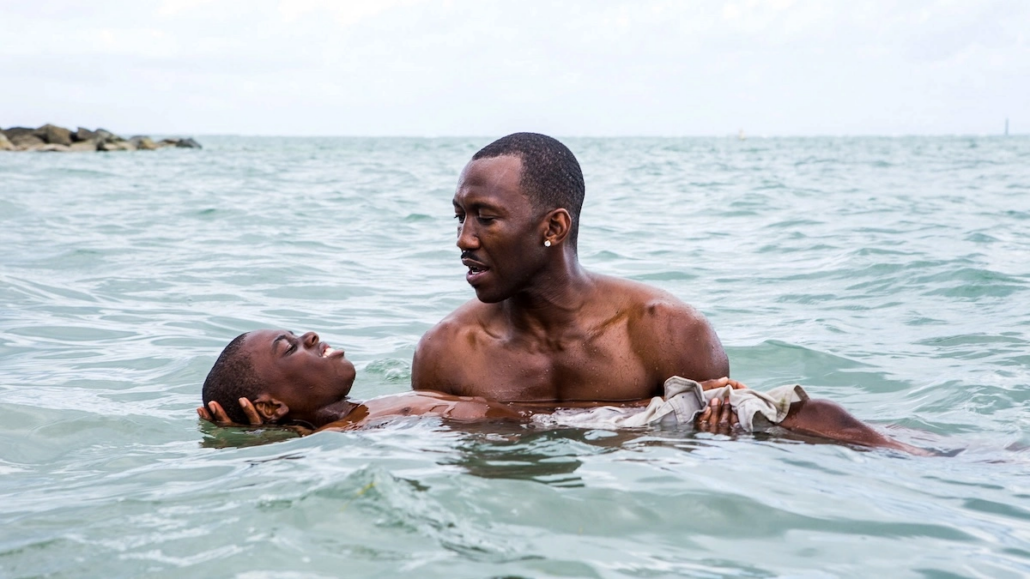
Moonlight (2016, Barry Jenkins)
This beautifully quiet, visually poetic 111-minute film follows one young man’s life in three chapters. Its pacing is deliberate, with lingering shots and subtle gestures that carry deep emotional weight. Watching Moonlight trains your attention by encouraging you to notice small expressions, body language, and the unspoken connections between characters. It’s immersive, rewarding, and a perfect example of how slow, thoughtful storytelling can teach both patience and craft.
Portrait of a Lady on Fire (2019, Céline Sciamma)
A delicately composed, slow-burning 120-minute romance between a painter and her subject in 18th-century France where every glance, gesture, and brushstroke carries meaning. Sciamma rewards viewers who slow down and pay attention, and the film trains your focus by asking you to notice subtle emotions and visual details, turning quiet observation into a rich, immersive experience.
From Watching Closely to Creating Boldly
Learning to really see a film, to notice the lingering shot, the subtle gesture, the way a single take builds tension, is the first step toward learning to make one. The patience and observation these movies reward are the same instincts that shape great filmmakers. Once you start watching with an eye for craft, the natural next step is picking up a camera yourself.
At The L.A. Film School, we help you turn that appreciation into ability. Learn filmmaking from script to screen in our Film program, or earn your Digital Filmmaking degree online from anywhere in the world.
Request Info to explore our programs, or Apply Now and start telling stories worth slowing down for.
FAQs: 5 Films to Train Your Attention Span
Can watching movies really help my attention span?
It can, at least the right kind of movies. While digital distractions are everywhere, and research cited by the American Psychological Association suggests the average adult attention span may now be under a minute, film is one form of screen time that still rewards full focus. Slow, deliberately paced films ask you to linger, observe, and stay present, which makes them a genuine exercise in sustained attention.
What is “slow cinema”?
Slow cinema is a style of filmmaking defined by deliberate pacing, long takes, minimal action, and an emphasis on observation over plot. Rather than rushing from beat to beat, these films let scenes breathe, asking viewers to notice small details, subtle emotional cues, and visual composition. The five films highlighted here are all strong examples, using patience and stillness as tools for both storytelling and craft.
What makes Russian Ark such a unique viewing experience?
Russian Ark (2002, Alexander Sokurov) is famously filmed in a single, uninterrupted 96-minute take that moves through the halls of the Hermitage Museum in St. Petersburg. Because there are no cuts, every shot matters as a loose narrative unfolds in real time, placing you at the heart of the action simply through observation. It’s both a technical marvel and a perfect exercise in sustained attention, and it happens to be visually gorgeous.
Which of these films is the best starting point for someone new to slow cinema?
The Straight Story (1999, David Lynch) is an approachable entry. Surprisingly gentle and reflective for Lynch, its 112 minutes follow Alvin as he takes a long road trip to visit his brother, by tractor. There are a few trademark Lynchian touches, but at heart it’s a chance to slowly explore characters and landscapes you might otherwise overlook. Watching it is described as like taking a deep breath for your mind, which makes it an easy first step.
Are any of these films especially relevant to film students?
Yes, News from Home (1976) stands out. It was made by a then-21-year-old Chantal Akerman, who had just moved from Belgium to New York City and was picking up odd jobs to support her filmmaking, a story many film students will recognize. The 88-minute film pairs long, static shots of Manhattan with Akerman reading letters from her mother, training your attention by asking you to linger, notice small details, and connect subtle emotional cues.
What can filmmakers learn from Moonlight and Portrait of a Lady on Fire?
Both are masterclasses in restraint. Moonlight (2016, Barry Jenkins) follows one young man’s life in three chapters, using deliberate pacing, lingering shots, and subtle gestures to carry deep emotional weight. Portrait of a Lady on Fire (2019, Céline Sciamma) is a slow-burning romance where every glance and brushstroke carries meaning. Both reward viewers who slow down, showing how thoughtful, patient storytelling can teach as much about craft as it does about patience.
How do I get the most out of watching these films?
Treat them as an invitation to slow down and pay attention. Turn off your notifications, settle in, and give the film your full focus rather than watching with a second screen nearby. Whether you pick one or work through all five, the goal is to see how much your brain can notice when you truly concentrate, and to let the films stretch your attention in the best possible way.
