
Costume as Character: What the Met Gala Teaches Us About Visual Storytelling
If you’re a film student, you know that a character isn’t “real” until they put on their costume. Whether it’s the rugged leather of a post-apocalyptic survivor or the suffocating silk of a Victorian aristocrat, clothing is a silent screenplay. In cinema, the costume designer is the architect of the subtext. While the actors speak the dialogue, the fabric speaks to the character’s social standing, psychological state, and their future.
As we approach the 2026 Met Gala and its fascinating new theme, “Costume Art,” it’s the perfect time to look back. The Met Gala isn’t just a fashion show; it’s a masterclass in world-building, mise en scène, and narrative design.
The Ranked Countdown: 5 Themes That Taught Us the Craft
#5: The Technical Study – “Manus x Machina” (2016)
The Vibe: High-tech precision meets handmade artistry.
The Lesson: World-Building Rules. This gala explored the friction between the hand-made and the machine-made. For sci-fi and speculative fiction filmmakers, this was a masterclass in using texture to define a world’s technological “rules.” Does your world value the cold perfection of a laser-cut hem, or the human “flaw” of a hand-stitched seam?
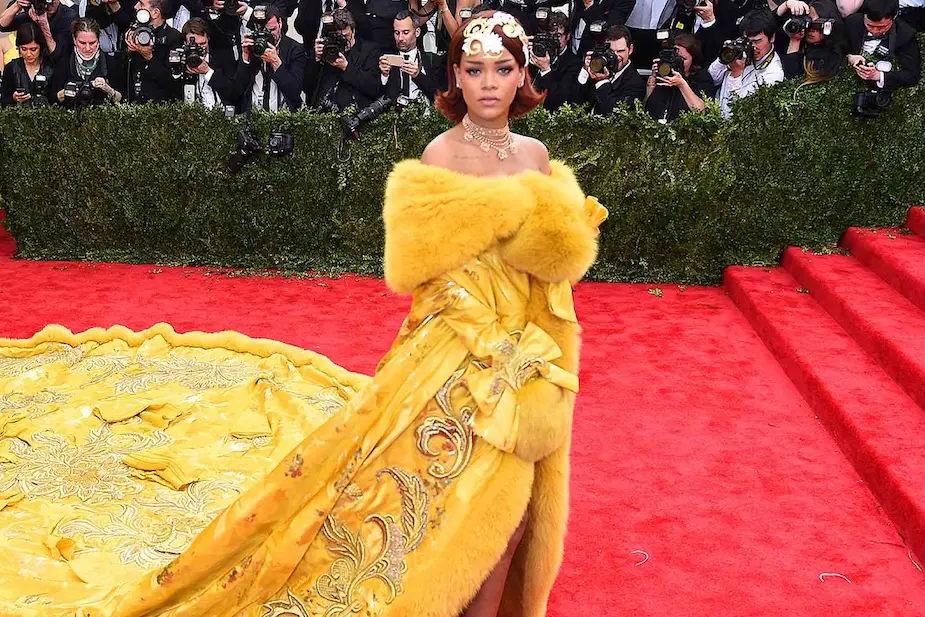
#4: The Remix – “Dangerous Liaisons” (2004)
The Vibe: 18th-century French court meets modern rebellion.
The Lesson: Historical Subversion. You don’t always need 100% accuracy to tell a “true” story. John Galliano’s remix of the 1700s is the same energy Sofia Coppola used in Marie Antoinette. It’s about capturing the feeling of an era, not just the facts. As a filmmaker, use “period friction” to tell the audience that your story is modern, even if the setting isn’t.
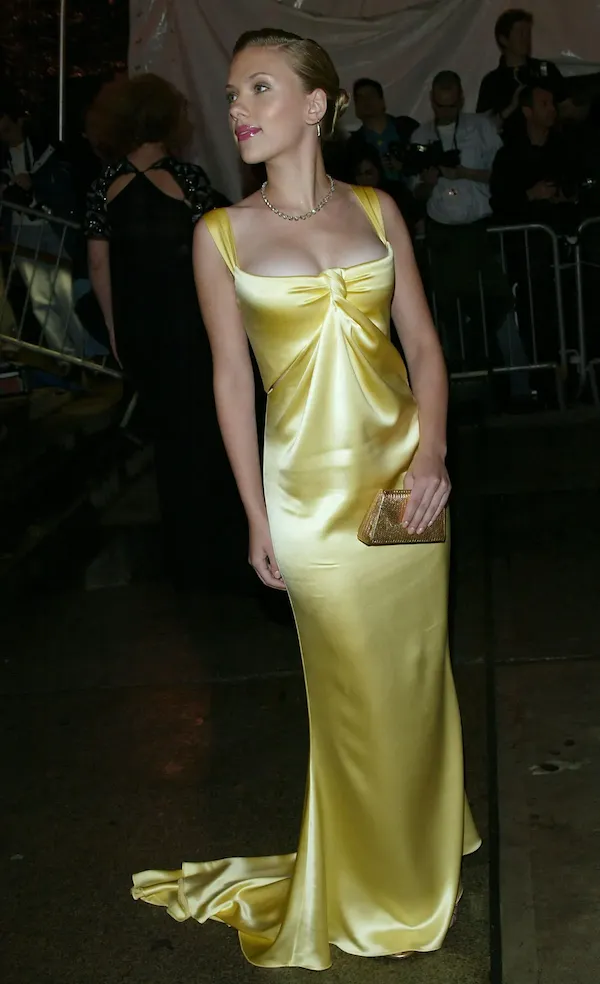
#3: The Foundation – “Romantic Hollywood Design” (1974)
The Vibe: Pure Golden Age nostalgia.
The Lesson: Character Iconography. This was a tribute to the architects of the “Movie Star.” In the 1930s, the costume was the marketing department. Study how a specific silhouette (like the bias-cut gown) was used by studios to “brand” an actress. One outfit should tell the audience exactly who your protagonist is before they speak a word.
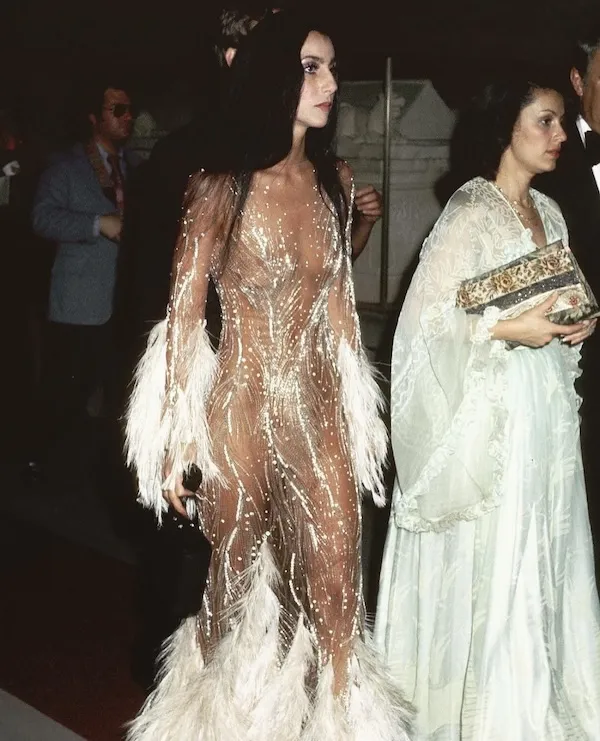
#2: The World Builder – “Heavenly Bodies” (2018)
The Vibe: High drama, sacred relics, and epic scale.
The Lesson: Environmental Storytelling. A costume doesn’t exist in a vacuum; it exists in a space. By staging fashion among Byzantine art and stone cloisters, this gala showed how lighting and architecture can elevate a garment into something transcendent. When you’re blocking a scene, ask yourself: How does the room make the costume look more powerful?
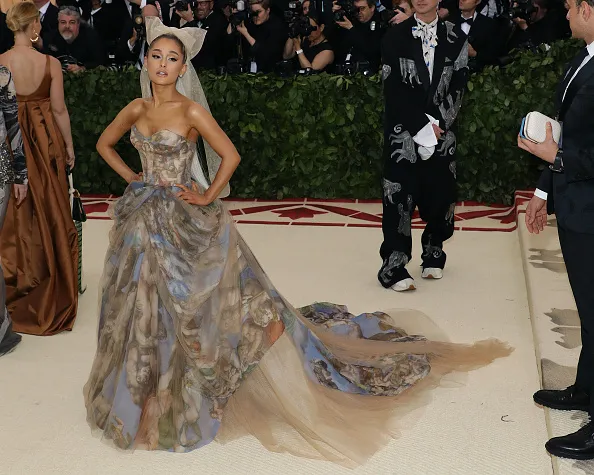
#1: The Director’s Cut – “In America: An Anthology of Fashion” (2022)
The Vibe: “Gilded Glamour” seen through the camera lens.
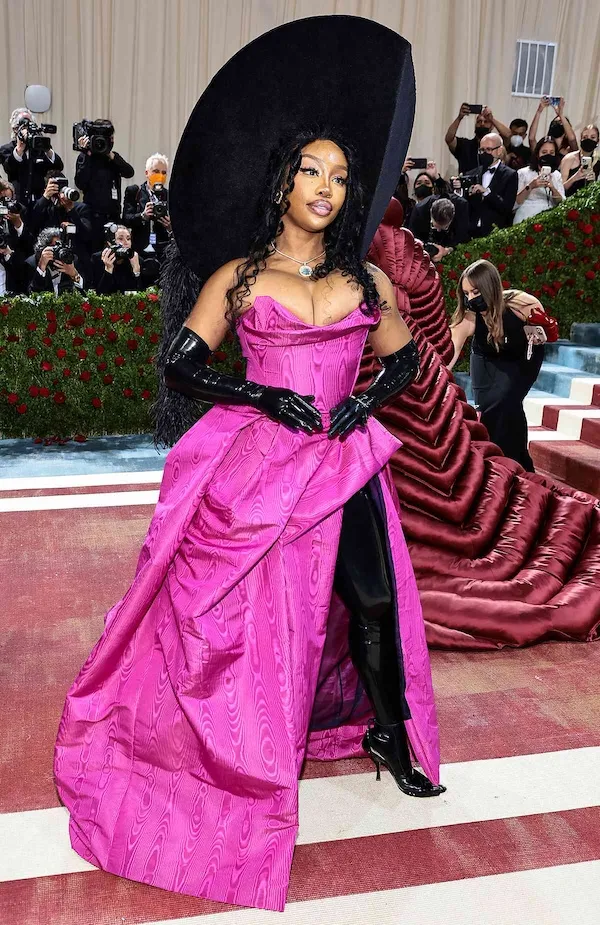
The Lesson: The Director’s Eye. This was the ultimate film student gala. The museum hired eight world-class directors—including Martin Scorsese, Sofia Coppola, and Janicza Bravo—to design the period rooms. It highlighted exactly how a filmmaker treats a garment as a “prop” to show how wealth is performed. In this world, fabric is more than just worn; it’s wielded.
The Anatomy of the 2026 Theme: “Costume Art”
Looking ahead to 2026, the theme shifts from the fabric to the body. Specifically: the Mortal Body, the Pregnant Body, and the Aging Body.
For a filmmaker, this is a technical goldmine. It moves away from the “cheerleading” of high fashion and into the grit of professional reality. In film, we use the “Mortal Body” theme to show a character’s drive or their decline – think of a jacket becoming too large for a character as they weaken, or the way a costume “unravels” as the plot does.
The Director’s Challenge
Great directors don’t just dress their actors; they use wardrobe to externalize internal struggle. When you’re drafting your next project, don’t just ask what the character is wearing. Ask: How does this garment make them move? Does it protect them, or does it expose them?
The takeaway: The body is the ultimate canvas. Use your wardrobe to show the drive and the reality of your characters. That is where the story begins.
