
Fixed in Post: The Editors Who Saved the Movie
In the hierarchy of filmmaking, the Director is often hailed as the sole visionary. But the truth of cinema is found in the cutting room. Film is a medium of fragments, and without the right hands to stitch them together, even the greatest footage can fall flat.
Some of the most iconic moments in movie history weren’t “directed” into existence- they were found in the edit. These are the stories of the editors who took raw, often problematic footage and forged it into cinematic legend.
The Architects of the Edit
The Trench Run: Marcia Lucas (Star Wars: A New Hope)
The original assembly of the Death Star finale was a pacing disaster. It lacked stakes, and the “ticking clock” rhythm we know today didn’t exist.
- The Save: Lucas stripped out a redundant subplot and completely restructured the dogfight sequence. She understood that for the climax to work, the audience needed to feel the walls closing in.
- The Result: She turned a messy space opera into a heart-pounding masterpiece. Without her restructuring, the “Trench Run” might have been a footnote rather than a legend.
The Master of Rhythm: Sally Menke (Pulp Fiction)
Quentin Tarantino famously called Menke his “only true collaborator.” Her genius was in her internal metronome- knowing exactly when to let a scene breathe and when to cut.
- The Save: In Pulp Fiction, Menke mastered the “hangout” style, allowing long stretches of dialogue to feel natural and immersive, only to snap into jarring violence with surgical precision.
- The Result: She defined the cool, rhythmic pulse of 90s independent cinema, proving that the spaces between the lines are just as important as the action.
Taming the Chaos: Margaret Sixel (Mad Max: Fury Road)
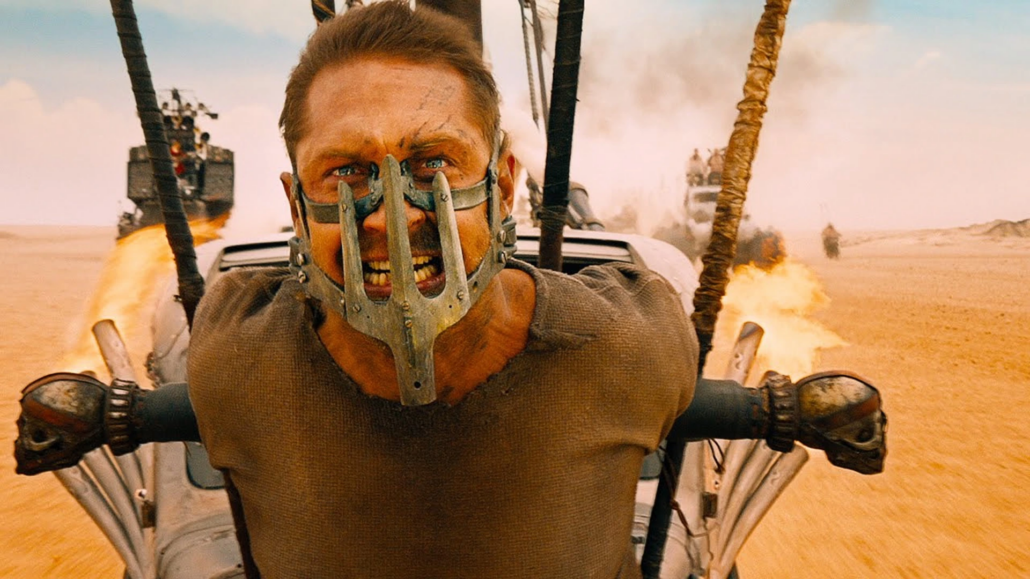
Tasked with 480 hours of raw footage, Sixel faced a monumental challenge: how to make a two-hour car chase readable.
- The Strategy: Sixel utilized “eye-tracing.” She ensured the focal point of every shot was centered in the frame, so that even with cuts happening every few seconds, the viewer’s brain never had to hunt for the action.
- The Result: A masterclass in visual clarity that won the Oscar and set a new gold standard for how action movies are assembled.
The Monster in the Mind: Verna Fields (Jaws)
When the mechanical shark on the set of Jaws refused to work, the production was in jeopardy.
- The Save: Fields, known as the “Mother Cutter,” realized that the film was actually scarier without the shark. She used POV shots, rhythmic water movement, and sound cues to build a monster in the audience’s imagination.
- The Result: By cutting around the technical failures, she created the modern summer blockbuster and proved that what you don’t see is the most terrifying thing of all.
Breaking the Rules: Thelma Schoonmaker (Goodfellas)
Schoonmaker’s work with Martin Scorsese is defined by a willingness to shatter traditional continuity.
- The Save: In Goodfellas, she used jump cuts and freeze-frames to mirror the cocaine-fueled paranoia of the characters. The editing wasn’t meant to be “invisible”; it was meant to be felt.
- The Result: She invented the visual grammar of the modern crime epic, where the energy of the edit drives the storytelling as much as the performances.
The American New Wave: Dede Allen (Bonnie and Clyde)
Before the late 60s, Hollywood editing was largely utilitarian. Dede Allen changed that by bringing European sensibilities to the American screen.
- The Save: She introduced “staccato cutting”- rapid, jagged edits that emphasized the violence and restlessness of the characters.
- The Result: The final shootout in Bonnie and Clyde remains one of the most influential sequences in history, dragging Hollywood into a more expressive, modern era of filmmaking.
The Final Cut
The director provides the vision, but the editor provides the movie. These women didn’t just trim the fat; they discovered the pulse of the story and protected it at all costs. Next time you cheer at a climax or jump at a scare, remember: it was won in the edit.
#FilmEditing #PostProduction #CinemaHistory #EditorLife #Filmmaking #TheUnsungEdit