
The Rise of the Creator Economy: How Artists Are Building Careers Without Gatekeepers
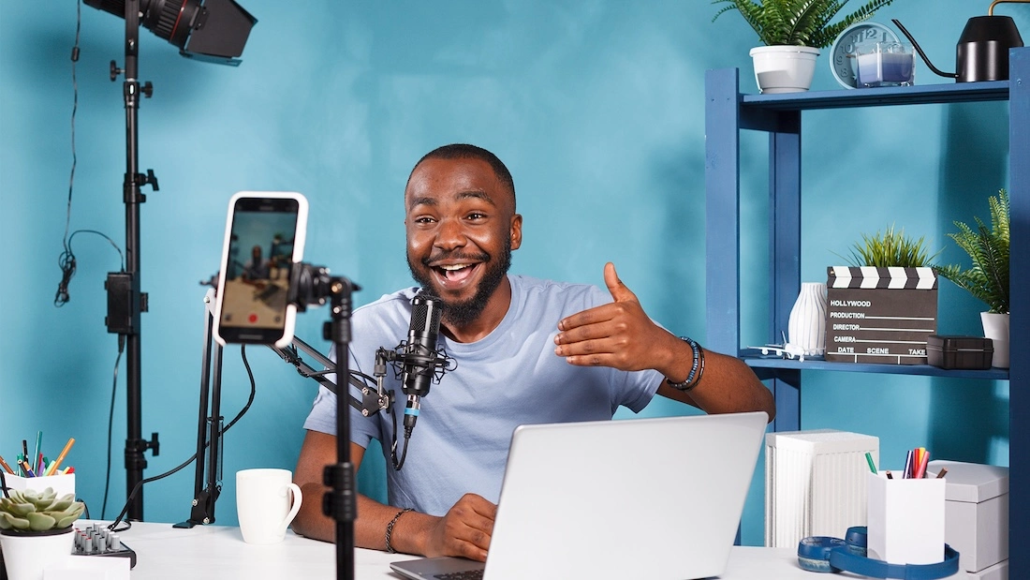
The creator economy has shaken things up. It’s transforming how artists build their careers. Only a few years ago, making art such as songs, films, writing, or designs meant waiting for gatekeepers: publishers, labels, studios.
If they liked your work, maybe it reached an audience. If not, you waited.
Today, the creator economy allows artists to connect directly with audiences, monetize their work without intermediaries and shape their own journey. And it isn’t small by any means. The creator economy is expected to reach $480 billion by 2027, up from about $250 billion today, roughly doubling in size.
Let’s take a closer look at this growing creator economy, and how you can be part of it.
What is the Creator Economy?
When we talk about the creator economy, we mean the network of creators, platforms, fans and monetization tools that allow individuals to create content and earn directly from their followers.
For decades, the path to success as a creative was lined with gatekeepers. Musicians needed record labels, filmmakers needed studios and writers needed publishing houses.
These institutions decided which projects reached the public, which artists got funding and which voices were left unheard.
The creator economy has flipped that script. Now, artists can bypass those barriers and take their work directly to audiences. With tools like Patreon, YouTube, TikTok and Substack, creators don’t need permission from industry power players to share their art— they just need consistency, creativity and a community willing to support them.
That doesn’t mean traditional industries have vanished. Record labels, studios and publishers still play a big role.
But the balance of power has shifted. Today, a viral video, a niche podcast or a loyal group of subscribers can provide opportunities that once required industry approval.
And with audiences increasingly hungry for authentic voices and direct connections, creators who step outside the old system often find themselves with more freedom, more flexibility and more control than ever before.
How Artists Monetize Their Work
The creator economy now means that artists don’t have to rely on a single paycheck or one “big break.” Instead, they piece together multiple income streams that fit their craft, their audience and their style.
Musicians, for instance, might release tracks on Bandcamp or SoundCloud while offering exclusive behind-the-scenes access to fans on Patreon.
Filmmakers can crowdfund passion projects on Kickstarter, post shorts on YouTube or rent features directly through Vimeo On Demand.
Writers are thriving on Medium and Substack, where readers subscribe for regular essays and stories, while self-publishing platforms like Kindle Direct give authors global reach.
Visual artists sell work directly through Instagram, Etsy or even NFTs. And game designers can test prototypes with loyal fans on itch.io or fund full releases with community support on Kickstarter.
A creator might combine ad revenue from YouTube with merchandise sales, live events, sponsorships or branded collaborations—so they’re not reliant on one model to pay the bills.
Conferences such as Creator Economy Live emphasizes the impact that the creator economy has on everyone from solo content creators to big name industry players like Google, Royal Caribbean, New Balance, and many more. Through strategy workshops, panelists, and networking opportunities, creator events like this hold essential information around building a revenue-driving business.
Community is the Currency
The creator economy has changed the relationship with audiences. Fans aren’t just consumers anymore. They’re patrons. They subscribe, tip and invest because they believe in the creator, not just the content.
That direct relationship is what makes this economy so different. It’s about building a livelihood rooted in creativity, community and belonging.
Creators nurture this sense of belonging by opening doors behind the scenes. Discord servers, Patreon updates, YouTube community posts, TikTok lives and Substack newsletters all create space for two-way conversations. Fans get the inside scoop, the process behind the art and even the outtakes.
That kind of intimacy builds loyalty. It’s why the creator economy works: people are more likely to support creators they feel connected to.
This strong sense of loyalty means fans who don’t just watch a film or buy a song once, but stick around—supporting, sharing and championing the creator’s work over the long haul.
And these fanbases that support artists don’t have to be millions strong either; many creators find success in smaller, deeply engaged communities.
Challenges of the Creator Economy
For all its opportunities, the creator economy isn’t an easy ride. Freedom comes with new pressures, and many creators quickly discover that being your own boss isn’t all that it’s cracked up to be.
One of the biggest challenges is income instability. Unlike a salaried job or a studio contract, creator earnings can fluctuate wildly month to month.
A viral video might bring in a spike of ad revenue, while the next project could barely cover production costs. That’s why many creators juggle multiple income streams.
But doing so can be exhausting, with many creators experiencing burnout. The constant demand for fresh content as well as managing social media, analyzing metrics and negotiating with sponsors can push creators to work at unsustainable paces.
Even successful creators face pressure to always be “on,” which blurs the line between personal life and professional identity.
And while the creator economy has broken down old gatekeepers, new ones have taken their place. Algorithms on YouTube, TikTok and Instagram largely determine who gets seen. And small tweaks in a platform’s system can make or break a creator’s reach.
In other words, control is greater than before, but still not absolute.
None of these challenges erase the opportunities, but they do highlight the fact that the creator economy isn’t a shortcut. It’s just a different kind of hustle.
A New Era for Creators
The rise of the creator economy is a transformation in how artists connect with audiences, earn a living and shape culture.
Where once gatekeepers held the keys, now creators can open doors for themselves. And in doing so, they’re proving that art can thrive outside traditional systems.
This shift matters because it shows us that creativity and community are inseparable. The most successful creators are building relationships, sparking conversations and creating spaces where audiences feel seen.
In many ways, the creator economy is a reminder that art has always been about connection. Digital platforms have simply given it a new stage.
Want to be part of the creator economy? Check out our degree programs so you can turn your creativity into a career.