
Meet Sandra Seeling Lipski: From L.A. Film School Alum to Film Festival Founder
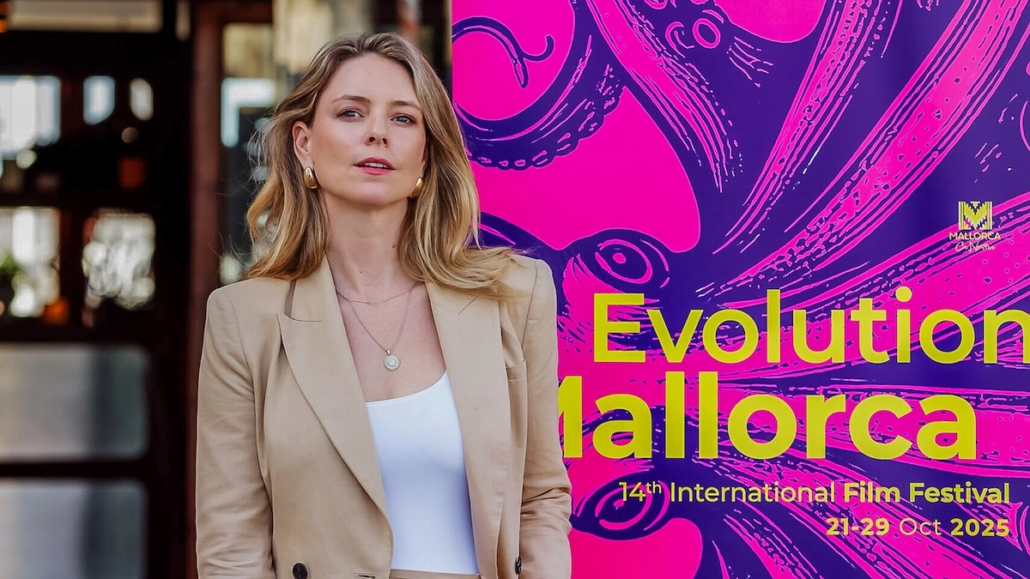
This talented alumna turned typecasting into motivation, using the Associate of Science in Film program to reinvent herself as a filmmaker and launch the Evolution Mallorca International Film Festival.
If you’ve ever wondered whether it’s “too late” to change directions or go back to school to pursue your passion, Sandra Seeling Lipski’s story is proof that it’s not.
Born in Berlin, raised in Mallorca, and trained in New York, Sandra was already a working actress when she realized she wanted more control over the stories she was telling. At 25, tired of being typecast, she made a bold pivot. She chose the Associate of Science in Film program at The Los Angeles Film School as a launchpad to move from in front of the camera to behind it.
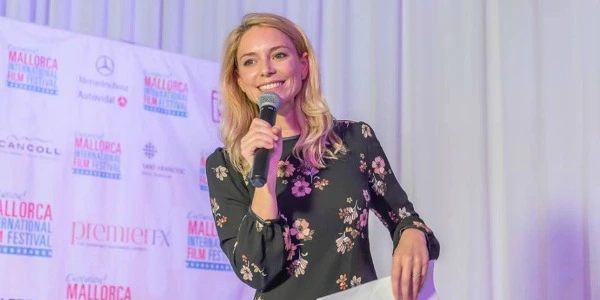
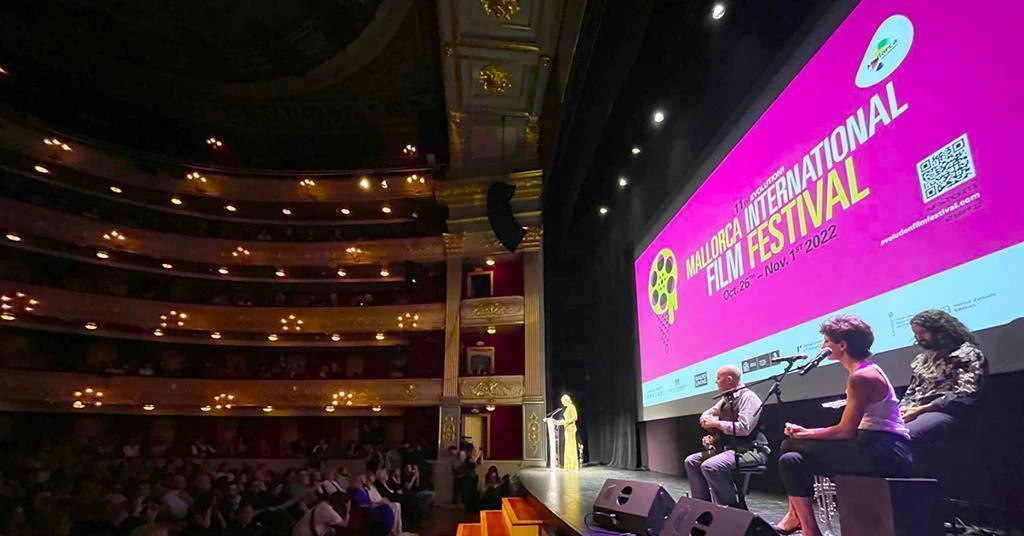
That journey ultimately led her to create the Evolution Mallorca International Film Festival (EMIFF). What began in 2012 with just 20 films has grown into a major international event showcasing 150 projects, with a mission of “Bridging Cultures, Bridging People.”
We caught up with Sandra to discuss her journey, her time in Hollywood, and how she built a film festival from the ground up.
The Journey: From Berlin to Hollywood
You were born in Berlin but are currently based in Mallorca. Do you still go back and forth between Los Angeles and Spain?
Sandra Seeling Lipski: I was born in Berlin and lived there until I was about 9 or 10. My family then moved to Mallorca, Spain, where I spent my teenage years and finished high school. After high school, I moved to New York to study acting, and later I moved to Los Angeles.
I had been going back and forth between L.A. and Mallorca for about 15 years. Then, about a year and a half ago, I moved to Mallorca permanently, but still go back to L.A. quite frequently.
You got started in entertainment at such a young age. How did that come about?
SSL: I actually started in entertainment when I was 14. A friend invited me to an audition just to hang out– and at the casting office, they asked me to read for a role, and I got the part!
The role was on a German TV show filmed in Mallorca about Germans running a hotel/bar on the island. It started as a small “girlfriend” role, but they kept extending it, and I ended up being on the show for two years.
I learned everything about on-set etiquette. How to behave, how to learn lines, and how shooting works. After the show and high school, I wanted to go to acting school and really learn the craft from the ground up. So, I moved to New York, went to The Lee Strasberg Theatre and Film Institute, completed my degree there, and I loved it.
What was moving to Los Angeles like?
SSL: I moved to L.A. in 2004, got an agent, and began auditioning for roles.
My first job there was as a hostess at the Chateau Marmont. At first, I didn’t understand the kind of “power” I had being at the door of such an important restaurant in Hollywood. After a few months, I realized what that position meant, and it became another one of those wild, unforgettable experiences in my life–encountering celebrities and high-profile industry players every day.
You were working as an actress, but decided to pivot. What sparked that change?
SSL: I was acting for some years, and it was really fun–and then the strike [Writer’s Guild Strike] happened in 2008. I was really frustrated because I had roles that were on hold because of the strike.
So I told my boyfriend at the time [now husband, cinematographer Rainer Lipski], “I want to do my own short.” And then I did the short, and I loved it!
“I loved the experience of making my own short. I loved being in control. I loved filmmaking. I loved writing.”
After completing it, I thought, I want to do more. I loved being in control. I loved filmmaking. I loved writing. I loved having my own voice and writing characters, because being a German-born actress in L.A., I worked a lot, but I was always playing the Swedish girl, the Russian girl, the girl with a German accent. I was always that girl– you know, typecast.
So I was tired of that, and I said to him, “I loved the experience of making my own short. I want to do another one.”
He said, “Wait a second. If you want to really get into this filmmaking business and go behind the camera, then I want you to go back to film school and really study it.”
The Pivot: The L.A. Film School Experience
Why did you choose The Los Angeles Film School?
SSL: At age 25, The Los Angeles Film School was god-sent, because I did not have the time to go back to school full-time for four years or even two years.
Of course, I looked into options like UCLA, USC, but that would have been a really big commitment for me. AFI was also right down the street and was an option, but for where I was in my life, that level of long‑term commitment just wasn’t right. I did have an acting career already, so I didn’t want to put that at risk by not having time for acting and losing that completely while going to film school.
How would you describe your experience in the program?
SSL: I did a 12-month program. It was the full-time program. It was great, I was literally in school for like 10 hours a day, and I was also still acting and auditioning for roles.
It was a really amazing experience, completely immersive. Every month, there was a different subject to focus on. I loved it! I remember screenwriting, production design– we built a whole set! It was also such an international experience too, which I loved.
“That global, collaborative environment really stayed with me and later fed into the idea for the festival.”
I had two guys from Egypt in my class, and it was with them that the film festival idea started. That global, collaborative environment really stayed with me and later fed into the idea for the festival.
When you created the festival, did it feel like a turning point?
SSL: I created the festival, and it really gave me that strong feeling of “I’ve created something, I’ve built something!”
When the festival idea came, it was like a new door opening, and I didn’t even realize I’d been waiting for it. I had been an actress since I was 14; I didn’t know anything else.
As my husband always says, “Thank God you started the festival and built yourself that platform to speak to filmmakers and give back to filmmakers, and not be that needy actress sitting at home waiting for the phone call.”
Building a Festival from Scratch
How did the idea for the Evolution Mallorca International Film Festival first come about?
SSL: It really started with a student film. At L.A. Film School, my thesis film was a short called My Mother. It was about 12 minutes long and played really well at festivals. Through that, I discovered the festival circuit and really fell in love with it.
“I discovered there was no film festival in Mallorca. I couldn’t believe it… So I decided to start one.”
Then, because my family still lived in Mallorca, I thought, “I should submit this film to a festival back home.” I went looking—and discovered there was no film festival in Mallorca. I couldn’t believe it.
So, we approached the government, and they were, frankly, skeptical. Who was this German girl from L.A. proposing a film festival on their island? But I had a very clear vision. We scraped together the first edition in 2012—a three‑day festival with around 20 films. It was small, but it worked.
Why the name “Evolution”?
SSL: Remember the two Egyptian classmates I had at L.A. Film School? Together we dreamed of a traveling festival—one edition in Mallorca, one in Egypt, one in L.A.—with films “evolving” across countries. We came up with the name “Evolution” for that.
Then the Egyptian Revolution happened in 2010. They had to return home quickly to help their families, and our original idea fell apart. But I loved the name and wanted to honor what we had envisioned together.
You’ve had some big names in attendance. How do you select who you will honor?
SSL: You make your dream list, but then you have to be very open and flexible.
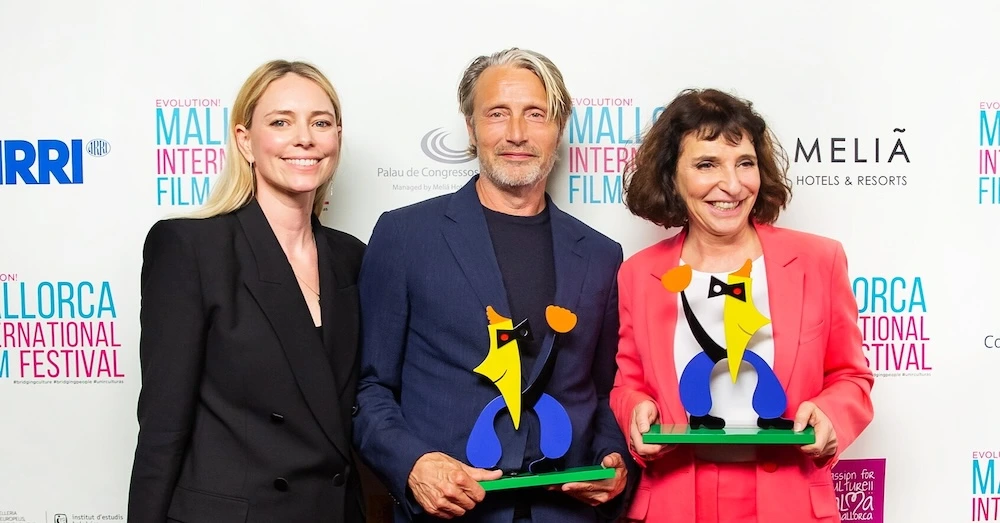
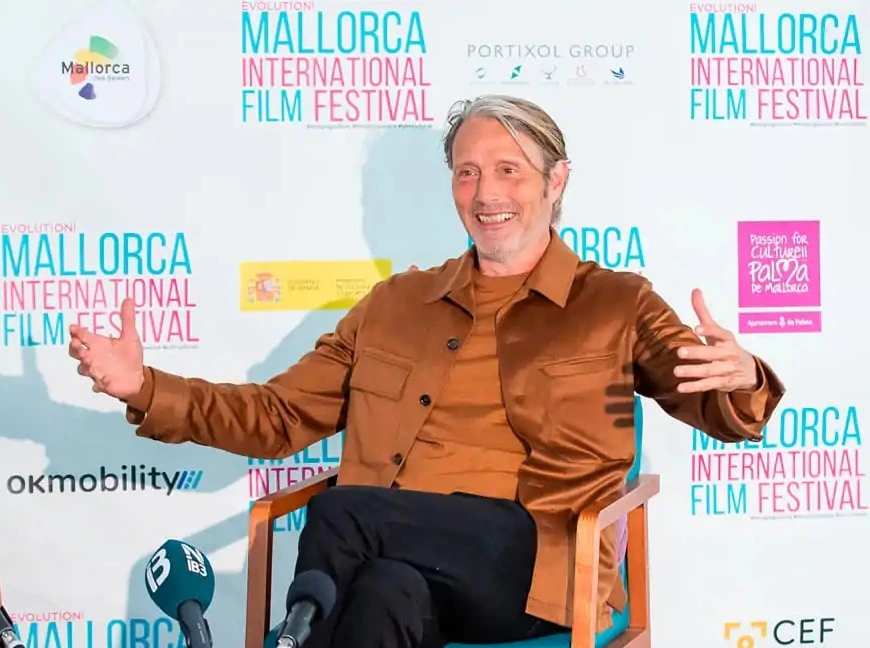
I was very lucky because in our sixth edition, we had Danny DeVito at the festival. This happened because I met his son, Jake, at the Sundance Film Festival, and he told me that he made a short with his dad. I told him “Ok, if I’m going to show you a short, you have to bring your dad.” And he was like, “Okay, deal.”
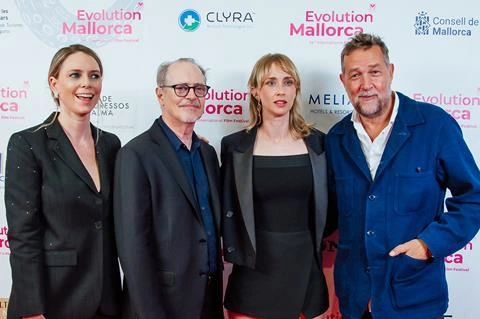
This year was also great, we had Steve Buscemi at the festival. We showed his new movie Psycho Therapy, after which he did a film talk.
For the festival, the idea is to invite a mixture of International and European directors, trying to really keep it female and male balanced. That’s very important to me.
Advice for the Next Generation
Young creators often feel pressure to be perfect immediately. What advice would you give them?
SSL: I think there’s even too much opportunity at times. Everyone can make a film. But they’re not all amazing.
That’s very important for filmmakers to realize. That’s okay. Perhaps it’s not going to be amazing right away, but it’s okay to make a bad first draft or a bad first short film.
The thing is, if you’re waiting for perfection and waiting until everything’s right, that’s not going to make you grow. It’s important to just go for it!
Take that camera, drive to the desert, and make that horror film in five days, or three days, or whatever you have, with your friends. Use your phone; you don’t need to have the “pro equipment” anymore.
“If you’re waiting for perfection and waiting until everything’s right, that’s not going to make you grow… It’s important to just go for it!”
What do you consider a successful festival?
SSL: From more of a human level: Has my team felt comfortable? Have they felt taken care of? If they feel that they’ve been taken care of, and I gave them the best environment to do a great job, that is a form of success for me.
Then, there’s also the audience. Making even the tiniest change in a person’s point-of-view about life, the world, culture– yeah, that is success to me.
Evolution Mallorca International Film Festival is currently accepting submissions for their 2026 edition. Learn more about the festival or to submit.
Ready to start your own journey? Learn more about the Associate of Science in Film program at The Los Angeles Film School.